
Wearing boots during the summer may seem counterintuitive, but for many—whether due to work requirements, fashion choices, or climate-specific needs—it’s a daily reality. From construction workers in steel-toe footwear to city dwellers pairing ankle boots with summer dresses, overheating feet are a common complaint. The good news is that discomfort doesn’t have to be inevitable. With the right materials, habits, and care routines, you can wear boots in warm weather while keeping your feet dry, cool, and irritation-free.
Choose Breathable Materials Wisely
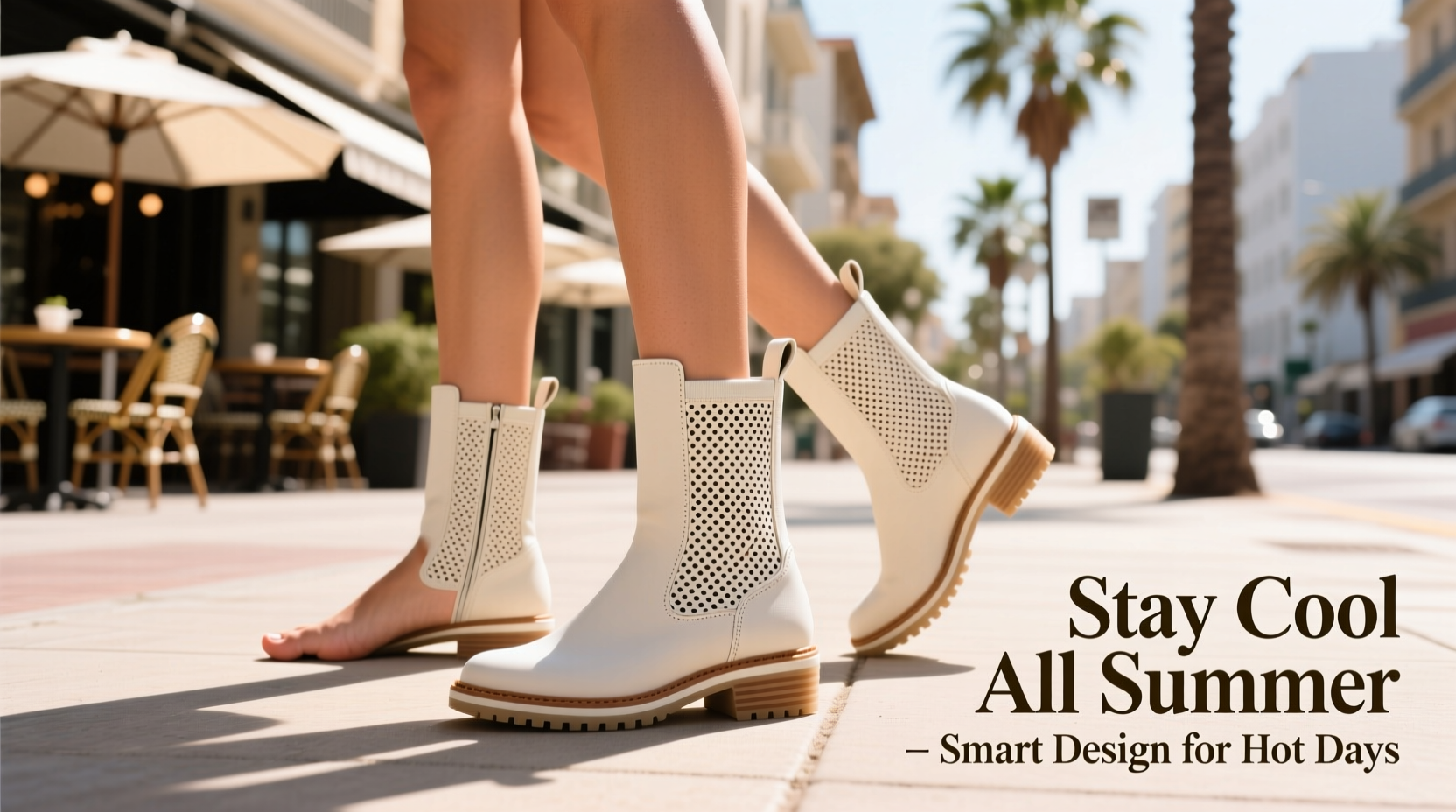
The foundation of foot comfort in summer boots starts with material selection. Not all leather or synthetic uppers are created equal when it comes to ventilation. Full-grain leather, while durable, can trap heat unless it's naturally porous and well-lined. On the other hand, suede and nubuck offer slightly better breathability but absorb moisture easily, making them less ideal for humid environments.
Look for boots made with:
- Perforated uppers – Small laser-cut vents allow airflow without compromising structure.
- Meshtech linings – Lightweight, moisture-wicking fabrics like CoolMax or OrthoLite help regulate temperature.
- Ventilated soles – Some modern work boots feature breathable outsoles that release heat from the bottom.
Optimize Insole and Sock Selection
What goes inside your boot matters as much as the boot itself. Standard factory insoles are often flat and non-breathable, contributing to heat buildup and friction. Upgrading to performance insoles can dramatically improve both airflow and underfoot comfort.
Recommended features in cooling insoles:
- Open-cell foam construction for air circulation
- Antimicrobial treatment to reduce odor-causing bacteria
- Moisture-wicking fabric cover (often silver-infused)
Pair these with technical socks designed for temperature regulation. Merino wool blends, despite being a natural fiber, excel in thermoregulation—drawing sweat away while resisting odor. Avoid 100% cotton socks; they retain moisture and increase the risk of blisters.
| Sock Type | Cooling Benefit | Best For |
|---|---|---|
| Merino Wool Blend (20–30%) | High moisture wicking, natural temperature balance | All-day wear, variable climates |
| Bamboo Fiber | Natural antibacterial, soft texture, moderate breathability | Casual summer boots |
| Synthetic Performance (Polyester/Spandex) | Fast-drying, engineered ventilation zones | Active use, hiking-style boots |
| 100% Cotton | Low – absorbs sweat, stays wet | Avoid in hot conditions |
Implement a Daily Foot Care Routine
Foot health isn't just about what you wear—it's also about how you prepare and recover. A consistent routine prevents issues like fungal infections, excessive sweating (hyperhidrosis), and skin breakdown.
Follow this daily timeline to maintain optimal foot condition:
“Prevention is key. Many patients come in with boot-related foot problems that could have been avoided with simple hygiene and moisture control.” — Dr. Lena Torres, Podiatrist & Footwear Health Specialist
Step-by-Step Guide: Morning to Night Foot Care
- Before putting on boots: Wash and thoroughly dry feet, especially between toes. Apply a light dusting of cornstarch or antifungal powder to absorb moisture.
- During wear: If possible, take short breaks every few hours to remove boots and let feet air out for 5–10 minutes.
- After removing boots: Remove insoles to air separately. Wipe interior lining with a microfiber cloth to reduce dampness.
- Evening care: Soak feet in lukewarm water with Epsom salts (10–15 minutes). Dry completely, then apply a lightweight, non-greasy moisturizer to prevent cracking—avoid applying between toes.
- Nightly boot maintenance: Place moisture-absorbing packets or cedar shoe trees inside to draw out residual humidity.
Real-World Example: Warehouse Worker in Phoenix
Jamal, a 34-year-old warehouse supervisor in Phoenix, wore standard-issue composite-toe boots six days a week. By mid-July, he experienced persistent heel chafing and a sour odor no spray could eliminate. After consulting an occupational health advisor, he made three changes:
- Switched from standard polyester socks to merino blend performance pairs
- Replaced stock insoles with ventilated gel inserts
- Began using activated charcoal shoe bags overnight
Within two weeks, Jamal reported a significant drop in foot temperature and zero new blister formation. His boots lasted longer too—less internal degradation from constant moisture exposure.
Smart Habits to Prevent Overheating
Beyond gear and care, behavioral adjustments play a major role in thermal comfort. Consider these practical do’s and don’ts:
| Do | Don’t |
|---|---|
| Loosen laces slightly over the instep to improve blood flow | Tighten boots excessively to “prevent slipping” |
| Use foot-specific antiperspirant in the morning | Rely solely on deodorizing sprays after sweating |
| Pack spare socks for long days | Wear the same socks all day after they become damp |
| Walk barefoot indoors post-wear to cool feet naturally | Immediately put on closed slippers or shoes after removing boots |
Additionally, consider environmental timing. If your schedule allows, reserve boot wear for cooler parts of the day—early morning or late afternoon—especially during heatwaves.
Frequently Asked Questions
Can I use ice packs to cool my boots before wearing them?
Yes—but indirectly. Placing actual ice inside boots can damage adhesives and linings. Instead, freeze gel insoles or place sealed cold packs in boots 15–20 minutes before wear. Remove them before putting boots on to avoid condensation.
Are there any sprays that actually cool feet?
Some sprays contain menthol or eucalyptus extracts that create a temporary cooling sensation on the skin. While they don’t lower core foot temperature, they can provide psychological relief. Pair them with moisture-wicking socks for best results.
How often should I replace summer boot insoles?
Every 3 to 6 months with regular use. Compressed foam loses its ability to cushion and ventilate. Check for flattening or creasing—if the insole doesn’t spring back when pressed, it’s time to replace it.
Checklist: Stay Cool in Summer Boots
Use this checklist daily or weekly to ensure maximum comfort:
- ☐ Wear moisture-wicking socks (merino, bamboo, or performance synthetics)
- ☐ Install breathable, antimicrobial insoles
- ☐ Air out boots overnight with cedar inserts or silica gel packs
- ☐ Apply foot powder before wearing
- ☐ Take off boots during breaks when safe to do so
- ☐ Wash and dry feet thoroughly at day’s end
- ☐ Inspect boots weekly for odor, wear, or lining damage
Conclusion: Comfort Is Within Reach
Staying cool in summer boots isn’t about enduring discomfort—it’s about making informed, proactive choices. From selecting the right materials to adopting simple hygiene habits, every decision adds up to healthier, more comfortable feet. Whether you're on your feet for work or fashion, you deserve to move through the season with confidence and ease.




 浙公网安备
33010002000092号
浙公网安备
33010002000092号 浙B2-20120091-4
Comments
No comments yet. Why don't you start the discussion?