
Leash training a 2-year-old dog can feel like starting from scratch—especially if your dog missed early socialization or has developed bad habits. Unlike puppies, adult dogs often come with established behaviors, making consistency and patience critical. Fortunately, thousands of dog owners on Reddit have shared their experiences, successes, and setbacks in training older dogs. Drawing from these community insights and professional guidance, this guide offers practical, humane, and effective strategies to help you successfully leash train your adult dog.
Understanding the Challenge of Training an Adult Dog
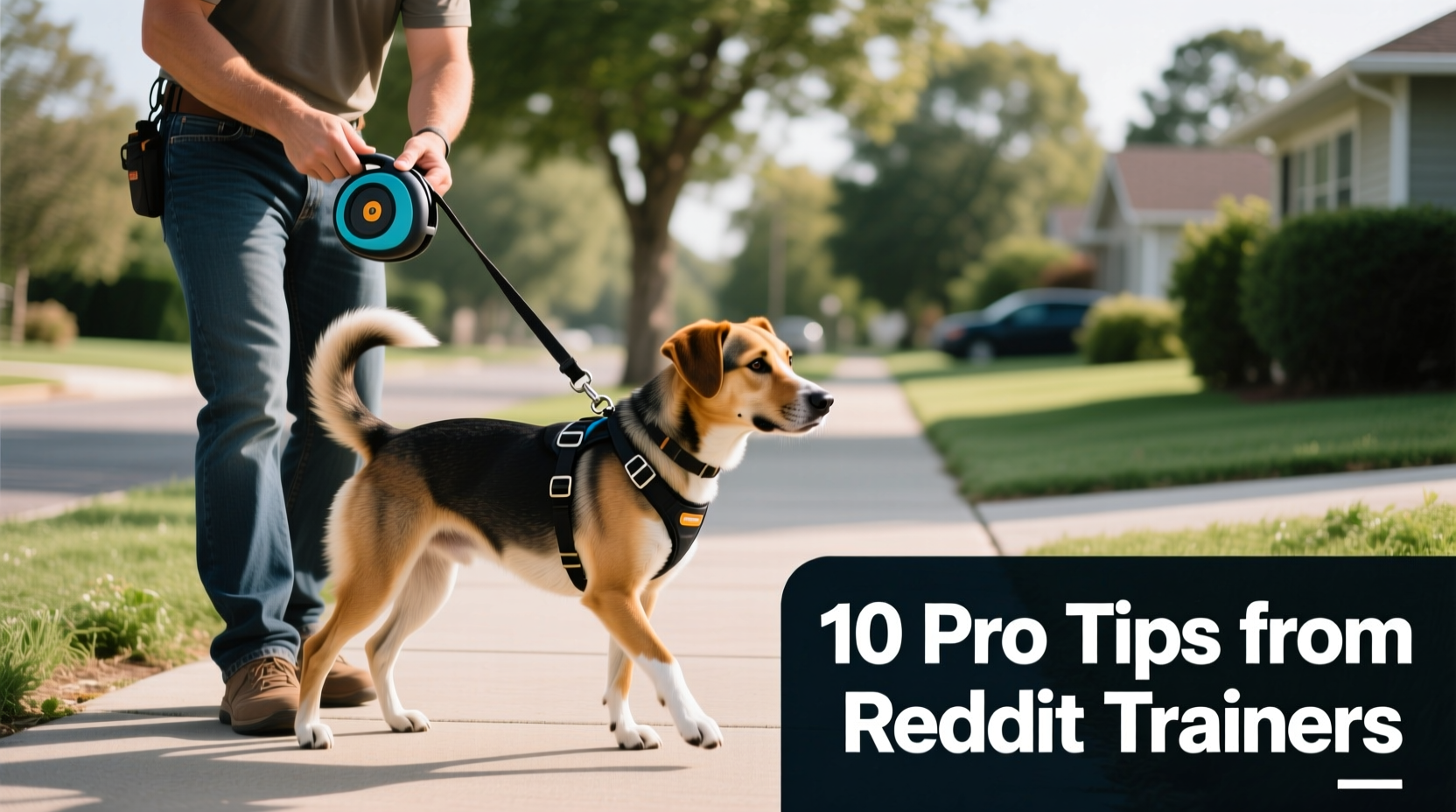
A 2-year-old dog is no longer a puppy, but still young enough to learn new behaviors. However, by this age, many dogs have already formed habits—pulling on the leash, ignoring commands, or reacting to stimuli—making retraining more complex than starting with a blank slate. The key isn’t punishment, but redirection through positive reinforcement and structured repetition.
Reddit users frequently emphasize that adult dogs aren’t “set in their ways” as commonly believed. One trainer from r/dogtraining noted: “At two years old, your dog is like a teenager—still learning, still impressionable, but testing boundaries.” This developmental stage means your dog is capable of change, especially when motivated by rewards and clear communication.
Core Principles Behind Successful Leash Training
Before diving into techniques, it’s essential to understand the foundational principles that make leash training work for adult dogs:
- Consistency: Every walk must follow the same rules. If pulling is sometimes allowed and sometimes corrected, confusion sets in.
- Positive Reinforcement: Reward desired behavior immediately—treats, praise, or toys—so your dog associates walking politely with good outcomes.
- Patience: Progress may be slow. Some dogs take weeks or even months to fully adapt.
- Short, Frequent Sessions: Multiple 5–10 minute walks are more effective than one long, stressful outing.
Step-by-Step Leash Training Plan
Based on widely recommended methods from Reddit communities like r/dogs and r/ProfessionalDogTrainers, here's a realistic 4-week timeline to build loose-leash walking habits:
- Week 1: Build Focus at Home
Practice indoors with the leash attached. Use a treat to lure your dog into walking beside you. Say “Let’s go” and reward after every few steps. Goal: Teach your dog that attention earns rewards. - Week 2: Practice in Low-Distraction Areas
Move to a quiet yard or driveway. Introduce short loops. When your dog pulls, stop moving. Wait for slack in the leash, then say “Yes!” and reward. This teaches self-correction. - Week 3: Add Real-World Distractions
Walk around the block during off-peak hours. Carry treats and reward calm behavior near triggers (bikes, other dogs). If your dog lunges, turn and walk the opposite direction. - Week 4: Increase Duration and Complexity
Gradually extend walks. Phase out constant treats, switching to intermittent rewards. Begin fading verbal cues as behavior becomes automatic.
“With adult dogs, it’s not about control—it’s about cooperation. You’re building a partnership, not enforcing obedience.” — u/DogWhisperer87, certified trainer on Reddit
Essential Tools and Equipment
The right gear can make a significant difference. Based on Reddit consensus, here are the most effective tools for leash training a 2-year-old dog:
| Tool | Best For | Reddit Recommendation |
|---|---|---|
| Front-clip harness (e.g., Freedom Harness) | Dogs that pull strongly | Highly recommended—reduces strain and gives gentle steering control |
| Standard 6-foot nylon leash | Most training scenarios | Favored over retractables, which encourage pulling |
| Treat pouch | Hands-free reward delivery | Used by 80% of successful trainers in user reports |
| Head halter (e.g., Gentle Leader) | Dogs with severe reactivity | Controversial but effective when introduced gradually |
Common Mistakes to Avoid
Many well-meaning owners unknowingly sabotage their progress. Here are frequent errors highlighted by Reddit communities:
- Pulling back on the leash: This creates a tug-of-war effect and reinforces pulling behavior.
- Yelling or jerking the leash: Fear-based corrections damage trust and can worsen reactivity.
- Expecting immediate results: Adult dogs need time to unlearn habits. Setbacks are normal.
- Training only on walks: Practice leash manners during backyard play or indoor movement too.
Real-Life Example: Turning Around a Reactive Rescue
One Reddit user, u/MidwestMuttMom, shared her experience with Luna, a 2-year-old mixed breed rescued from a shelter. Luna would lunge at cyclists and bark at other dogs, making walks exhausting.
She started with 5-minute backyard sessions using a front-clip harness and tiny bits of hot dog. Whenever Luna looked at her instead of a distraction, she clicked and rewarded. After two weeks, they moved to a quiet parking lot. By week six, Luna was walking calmly past bikes without lunging.
“The turning point,” she wrote, “was realizing I wasn’t teaching her to heel—I was teaching her to trust me in scary situations.” Her post received over 2,000 upvotes and inspired dozens of similar success stories.
Checklist: Your 10-Point Leash Training Action Plan
Use this checklist to stay on track during your training journey:
- Choose a comfortable, properly fitted harness or collar.
- Stock up on high-value, soft treats.
- Start training in a distraction-free environment.
- Use a consistent cue like “Let’s go” or “Heel.”
- Stop walking whenever the leash tightens; resume when slack returns.
- Reward your dog for walking beside you or looking up at you.
- Keep sessions short (5–10 minutes) and frequent (2–3 times daily).
- Gradually introduce distractions as skills improve.
- Avoid retractable leashes during training.
- Be patient—progress is not linear.
Frequently Asked Questions
Can I leash train a dog that’s never been trained before?
Yes. While early training is ideal, dogs of any age can learn new behaviors. A 2-year-old dog is still highly adaptable. Success depends on consistency, positive reinforcement, and managing the environment during training.
My dog sits down or refuses to walk. What should I do?
This is often due to fear, discomfort, or lack of motivation. First, rule out medical issues. Then, try increasing treat value or changing locations. Lure your dog forward with a treat just ahead of their nose. Never drag or force them.
How long does leash training usually take?
Most dogs show improvement within 2–4 weeks of consistent daily practice. Full reliability in all environments may take 2–6 months. Factors include prior experience, temperament, and frequency of training.
Final Thoughts: Building a Better Walking Relationship
Leash training a 2-year-old dog isn’t just about stopping pulls—it’s about building communication, trust, and mutual respect. The strategies shared by Reddit trainers and everyday dog owners prove that with the right approach, even strong-willed or anxious dogs can become enjoyable walking companions.
Success doesn’t require expensive tools or professional-only methods. It comes from showing up consistently, celebrating small wins, and understanding your dog’s perspective. Every calm step forward is a victory.




 浙公网安备
33010002000092号
浙公网安备
33010002000092号 浙B2-20120091-4
Comments
No comments yet. Why don't you start the discussion?