
In an age where smartphones are essential for communication, productivity, and entertainment, protecting them from physical damage is more important than ever. Despite advancements in screen durability and water resistance, accidental drops remain the leading cause of smartphone damage. Shockproof cases are a frontline defense—but not all cases or usage methods are equally effective. To truly safeguard your device, it's critical to go beyond simply owning a rugged case. Strategic selection, proper maintenance, and smart usage habits determine how well your phone survives daily hazards.
Understanding How Shockproof Cases Work
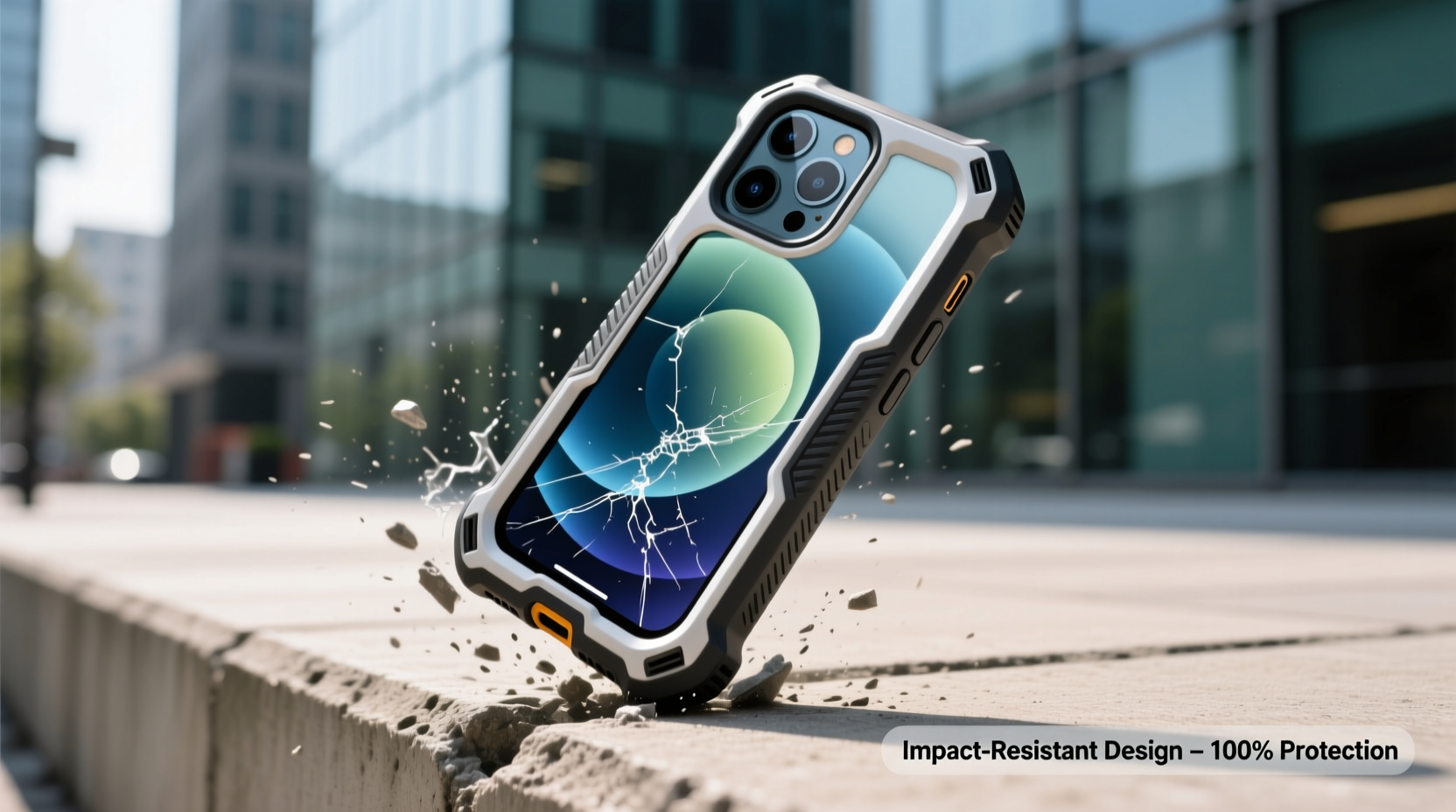
Shockproof cases are engineered to absorb and dissipate impact energy during falls. They typically use multi-layer designs combining hard outer shells with soft inner linings. The rigid exterior resists scratches and prevents cracking under pressure, while the flexible inner layer—often made of TPU (thermoplastic polyurethane)—compresses on impact to cushion the phone.
The effectiveness of a shockproof case depends on several factors: material quality, structural design, corner reinforcement, and precise cutouts. High-end models often feature raised bezels around the screen and camera lens to prevent direct contact with surfaces when placed face-down. Independent drop tests, such as MIL-STD-810G certification, provide reliable benchmarks for performance under controlled conditions.
“Not all ‘rugged’ cases are created equal. Look for independent lab testing data, not just marketing claims.” — Dr. Lena Torres, Materials Engineer at Mobile Safety Labs
Selecting the Right Shockproof Case for Your Needs
Choosing the best shockproof case involves balancing protection, usability, and lifestyle demands. A construction worker needs different features than a parent juggling a phone at the playground. Consider these key selection criteria:
- Drop Protection Rating: Look for cases rated for drops from at least 6 feet (1.8 meters).
- Material Composition: Dual-layer construction (hard polycarbonate + soft TPU) offers optimal shock absorption.
- Corner Reinforcement: Impact zones are concentrated at corners; reinforced bumpers significantly improve survival rates.
- Camera & Screen Protection: Raised edges should extend above the lens and display when the phone rests flat.
- Compatibility: Ensure perfect fit for ports, buttons, and wireless charging capabilities.
| Feature | Recommended | Avoid |
|---|---|---|
| Drop Height Rating | 6 feet / 1.8 meters or higher | Unspecified or less than 4 feet |
| Materials | Dual-layer: PC + TPU | Silicone-only or thin plastic |
| Screen Protection | Raised bezel (0.5mm+) | Flush or recessed edges |
| Certifications | MIL-STD-810G, IP68 | \"Military-grade\" without proof |
Installation and Maintenance Best Practices
Purchasing a high-quality case is only half the battle. Improper installation or neglect can compromise its protective function over time. Follow this step-by-step guide to ensure maximum effectiveness:
- Clean Your Phone: Wipe down the device with a microfiber cloth before installing the case to remove dust and oils.
- Align Carefully: Match all ports, speakers, and buttons precisely. Forcing misaligned parts can stress internal components.
- Check Fit Regularly: Over months of use, cases may warp or loosen. Inspect monthly for gaps or cracks.
- Clean the Case: Remove and wash the case every 2–3 weeks with mild soap and water to prevent grime buildup.
- Replace When Damaged: Even minor cracks or worn corners reduce shock absorption. Don’t wait for total failure.
Real-World Scenario: The Commuter’s Test
James, a city transit rider, dropped his phone twice in one week—once on concrete stairs and again onto asphalt after slipping off his bike handlebars. He used a certified MIL-STD-810G shockproof case with reinforced corners and a screen lip. After both incidents, his phone powered on without issue. A technician later noted that while the case showed scuff marks and slight deformation at one corner, the internal structure remained intact and had absorbed the brunt of the impact. Without the case, forensic analysis suggested a 90% chance of screen fracture or internal damage.
This example underscores how consistent protection—even in repeated scenarios—can preserve device integrity. It also highlights the importance of structural integrity in real-life conditions beyond laboratory settings.
Maximizing Protection Through Daily Habits
No case can guarantee 100% safety if user behavior increases risk. Combine your shockproof case with proactive habits to minimize exposure to danger:
- Use wrist straps or lanyards in high-movement environments.
- Avoid placing your phone near table edges or unstable surfaces.
- Don’t carry your phone loosely in pockets without secure closures.
- Keep hands dry when handling your device to improve grip.
- Invest in a screen protector even with a shockproof case—layered defense is key.
“Your phone is only as safe as your weakest habit. A $100 case won’t help if you’re constantly setting your phone on moving escalator rails.” — Marcus Lin, Tech Safety Consultant
Frequently Asked Questions
Do shockproof cases affect signal strength?
Most modern shockproof cases are designed with non-interfering materials. However, metal-reinforced or poorly made cases can disrupt Wi-Fi, GPS, or cellular signals. Stick to reputable brands that explicitly state RF transparency.
Can I use wireless charging with a shockproof case on?
Yes, most high-quality shockproof cases support wireless charging without removal. Check product specifications to confirm compatibility, especially if the case is thick or includes metal elements.
How often should I replace my shockproof case?
Inspect your case every three months. Replace it immediately if there are visible cracks, warping, or loose fittings. As a general rule, consider replacing every 12–18 months, even if no damage is apparent, due to material fatigue.
Action Checklist: Maximize Your Phone’s Protection
To ensure your phone stays protected, follow this concise checklist:
- ✅ Choose a case with MIL-STD-810G or equivalent certification
- ✅ Confirm raised edges protect screen and camera
- ✅ Install the case cleanly and align all ports correctly
- ✅ Clean both phone and case monthly
- ✅ Inspect for wear and tear every quarter
- ✅ Pair with a tempered glass screen protector
- ✅ Adopt safer carrying and handling habits
- ✅ Replace the case promptly if damaged or degraded
Final Thoughts: Build a Culture of Protection
Protecting your smartphone isn't a one-time purchase—it's an ongoing practice. A shockproof case is your strongest ally against physical damage, but its full potential is only realized through informed choices and disciplined habits. From selecting certified products to maintaining them properly and adjusting daily behaviors, each step contributes to longer device life, fewer repair costs, and uninterrupted connectivity.




 浙公网安备
33010002000092号
浙公网安备
33010002000092号 浙B2-20120091-4
Comments
No comments yet. Why don't you start the discussion?