
Cat owners know the joy of feline companionship—but many also deal with an unavoidable downside: litter scattered across floors, embedded in carpets, and tracked into every corner of the house. Litter tracking isn’t just unsightly; it can be a hygiene concern, especially in homes with children or sensitive flooring. The good news is that with the right approach, you can significantly reduce or even eliminate this common issue. This guide presents proven, practical strategies backed by veterinary insights and real-world experience to help you maintain a cleaner home without compromising your cat’s comfort.
Understanding Why Cats Track Litter
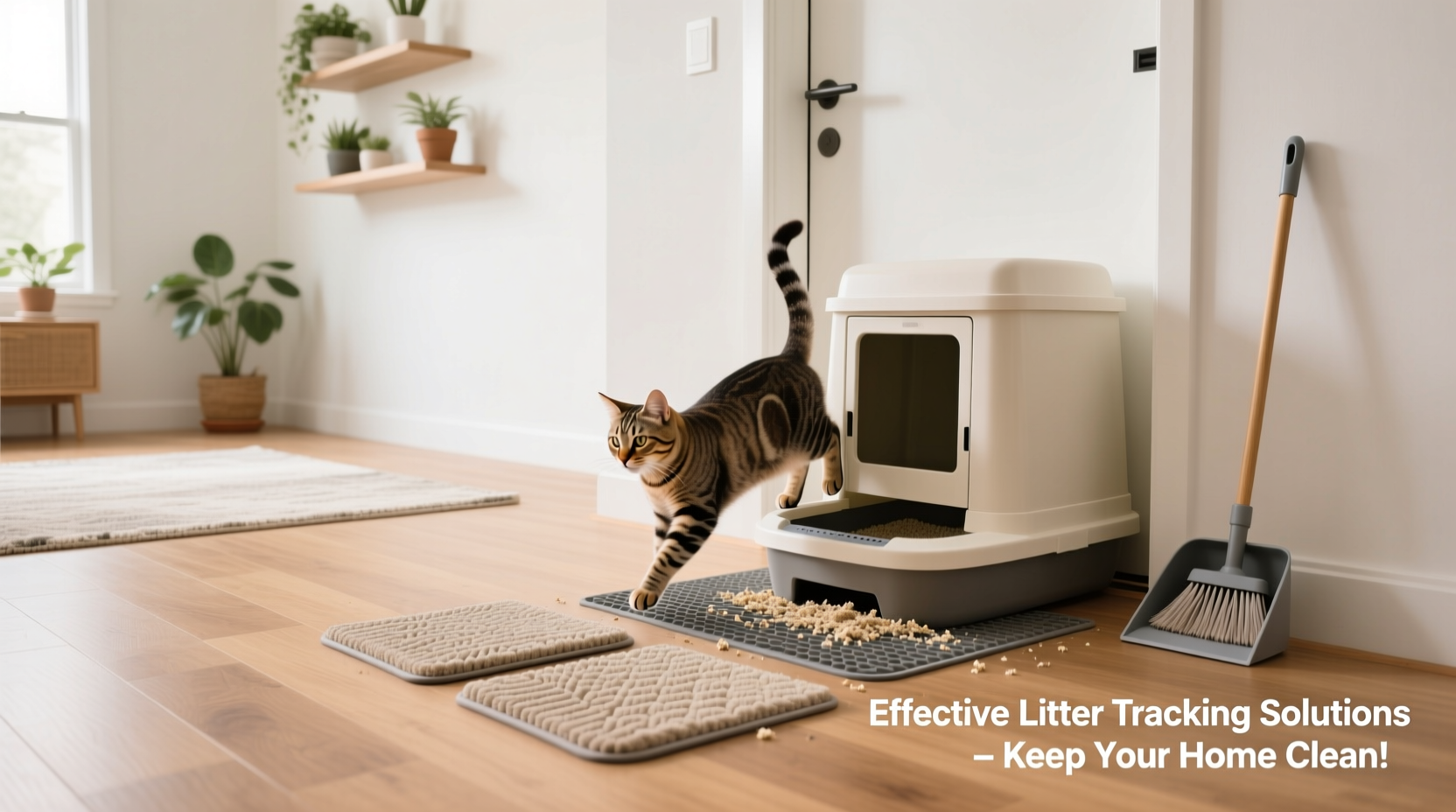
Litter tracking occurs when granules cling to a cat’s paws and fur after using the litter box and are then dispersed throughout the home. While some degree of tracking is normal, excessive spread usually stems from specific factors:
- Litter texture and particle size: Lightweight, fine-grained litters are more likely to stick to fur and paws.
- Box design: Open-top boxes offer no containment, while high-sided models may still allow escape if not properly positioned.
- Cat behavior: Some cats kick vigorously after elimination, increasing dispersion.
- Location: Placing the litter box on carpet or near high-traffic areas worsens tracking visibility.
Addressing these root causes is essential for long-term success. A multi-pronged strategy yields better results than relying on a single fix.
Choosing the Right Litter to Reduce Tracking
The type of litter you use plays a major role in how much ends up on your floors. Not all litters are created equal when it comes to minimizing mess.
Heavy, low-dust clumping clay litters tend to track less than lightweight alternatives like walnut or corn-based formulas. However, newer pellet-style silica litters, while highly absorbent, can roll out of the box easily due to their shape. Consider the following characteristics when selecting a low-tracking option:
| Litter Type | Tracking Potential | Best For |
|---|---|---|
| Clay (clumping, heavy) | Low to moderate | Homes with hard floors; budget-conscious owners |
| Silica gel beads | Moderate (rolls easily) | Dryness control; less frequent changes |
| Paper pellets | High (lightweight) | Cats with sensitivities; eco-focused households |
| Wheat or corn | High (fine particles) | Biodegradable needs; flushable options |
| Coarse recycled paper | Low | Low-tracking priority; eco-friendly users |
Veterinarian Dr. Lena Patel notes: “We often overlook how litter composition affects daily cleanliness. Switching to a heavier, coarser formula can cut tracking by up to 70% without changing box habits.”
“We often overlook how litter composition affects daily cleanliness. Switching to a heavier, coarser formula can cut tracking by up to 70% without changing box habits.” — Dr. Lena Patel, DVM, Feline Health Specialist
Optimizing Litter Box Setup and Placement
Even the best litter won’t solve the problem if the box itself contributes to the mess. Strategic placement and smart accessories can make a dramatic difference.
First, avoid placing the litter box on carpet. Opt for hard flooring like tile, vinyl, or laminate, which are easier to clean and show less residue. Position the box in a quiet, accessible area away from food and foot traffic, but not so isolated that cleaning becomes inconvenient.
Consider using a litter mat—a textured, ridged surface placed under or around the box. These mats trap granules as your cat steps out, preventing them from spreading. Deep-pile mats with rubber backing work best, as they catch litter while staying in place.
Step-by-Step: Setting Up a Low-Tracking Litter Station
- Evaluate current location: Is the box on carpet? Near doorways? Move it if needed.
- Select a large, covered litter box: Models with built-in hoods and exit tunnels contain more litter.
- Place a dual-layer mat system: Use a coarse mesh mat closest to the box, followed by a deeper rug-style mat.
- Trim fur between paw pads: Especially for long-haired breeds, this reduces litter adhesion.
- Monitor and adjust: Check mats daily and vacuum weekly to maintain effectiveness.
Real-Life Example: Reducing Tracking in a Multi-Cat Home
The Thompson family had three cats and struggled with litter tracked from two boxes located in their basement laundry room. Despite daily scooping, granules appeared on stairs, in bedrooms, and even the kitchen. They decided to implement a structured plan:
- Switched from lightweight corn litter to a heavier, low-dust clumping clay brand.
- Replaced open boxes with top-entry models featuring exit tunnels.
- Installed extra-deep litter mats extending 3 feet beyond each box.
- Moved one box from carpet to concrete floor and added a washable runner.
- Began bi-weekly trimming of paw fur on their long-haired Persian.
Within three weeks, visible tracking dropped by over 80%. Vacuuming frequency decreased from every other day to once a week. “We didn’t realize how much time we were spending cleaning up,” said Sarah Thompson. “Now the basement stays clean, and the cats haven’t changed their habits at all.”
Essential Maintenance Habits for Long-Term Success
Preventing litter tracking isn’t a one-time fix—it requires consistent upkeep. Incorporate these habits into your routine:
- Empty and clean mats weekly: Shake outdoor or rinse with water; let dry completely before reuse.
- Vacuum around the box frequently: Use a vacuum with strong suction and a crevice tool.
- Inspect box integrity: Cracks or worn edges can allow litter to spill during entry/exit.
- Rotate litter types cautiously: Sudden changes may deter use; transition gradually over 7–10 days.
Avoid overfilling the box. Most manufacturers recommend 2–3 inches of litter. Excess depth increases the chance of paws digging deep and bringing out more material.
Checklist: Minimize Cat Litter Tracking in 7 Steps
- ✅ Switch to a heavier, low-tracking litter (e.g., clumping clay or coarse recycled paper).
- ✅ Use a covered litter box with a hood and exit tunnel.
- ✅ Place a high-quality litter mat with deep grooves under and around the box.
- ✅ Position the box on hard flooring, away from high-traffic zones.
- ✅ Trim excess fur between your cat’s paw pads monthly.
- ✅ Clean mats weekly and vacuum surrounding areas at least twice a week.
- ✅ Monitor your cat’s behavior and adjust setup as needed.
Frequently Asked Questions
Can I stop litter tracking completely?
While eliminating tracking entirely is difficult, most households can reduce it by 90% or more with the right combination of litter, box design, and maintenance. Complete elimination may require compromises in accessibility or cat preference, so focus on significant reduction rather than perfection.
Are automatic litter boxes better for reducing tracking?
Some self-cleaning models include features like sealed compartments and rake systems that limit exposure, but they aren’t inherently better at preventing tracking. In fact, some cats kick more aggressively after automated raking, increasing dispersion. Their benefit lies in consistency, not containment. Pair them with a good mat and proper placement for best results.
Is it safe to use litter mats with kittens or older cats?
Most mats are safe, but ensure the surface isn’t slippery and has no small parts that could be chewed. Raised edges or deep textures might impede mobility for arthritic cats. Test different styles and monitor your cat’s comfort. Rubber-backed, low-profile mats are generally safest for vulnerable pets.
Take Control of Your Home’s Cleanliness Today
Minimizing cat litter tracking doesn’t require expensive gadgets or drastic lifestyle changes. By understanding your cat’s habits, choosing the right products, and maintaining a consistent cleaning routine, you can enjoy a cleaner, more comfortable home. The key is combining smart litter selection with thoughtful setup and proactive maintenance. Start with one or two changes—like upgrading your litter mat or switching to a heavier formula—and build from there. Small adjustments lead to big improvements over time.




 浙公网安备
33010002000092号
浙公网安备
33010002000092号 浙B2-20120091-4
Comments
No comments yet. Why don't you start the discussion?