
Indoor urination by female cats is a common but distressing issue for pet owners. While it may seem like a behavioral defiance, the root causes are often medical, environmental, or stress-related. Addressing this problem naturally—without resorting to punishment or chemical deterrents—is not only humane but more effective in the long term. By understanding feline instincts and creating a supportive environment, you can resolve inappropriate urination and restore harmony in your home.
Understand Why Female Cats Pee Indoors
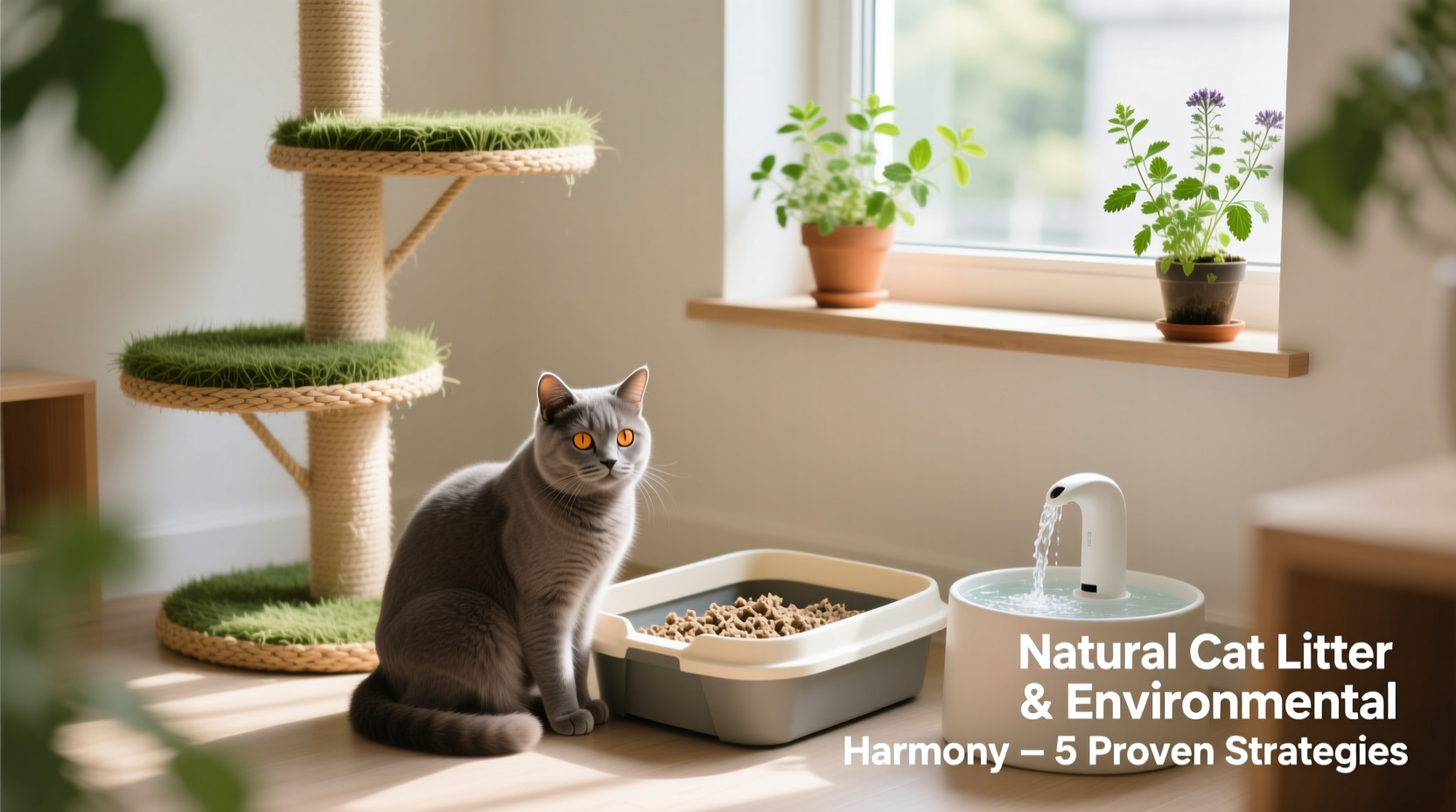
Cats are fastidious groomers and typically avoid soiling areas near where they eat or sleep. When a female cat begins urinating outside the litter box, it's usually a signal that something is wrong. Common causes include:
- Medical issues: Urinary tract infections (UTIs), bladder stones, or diabetes can cause pain during urination, leading a cat to associate the litter box with discomfort.
- Litter box dissatisfaction: The type of litter, location, cleanliness, or number of boxes may not meet her needs.
- Stress or anxiety: Changes in routine, new pets, moving homes, or loud environments can trigger marking behavior.
- Territorial marking: Even spayed females may mark if they feel threatened by other animals or perceive competition.
- Aging or cognitive decline: Older cats may forget training or have reduced mobility, making access to the box difficult.
Before implementing any strategy, rule out medical conditions. A veterinary check-up is essential. As Dr. Sarah Thompson, DVM, explains:
“Over 30% of cats presenting with inappropriate elimination have an underlying urinary condition. Treating the health issue is always step one.” — Dr. Sarah Thompson, Feline Health Specialist
Natural Prevention Strategies That Work
Once medical causes are ruled out, focus shifts to environmental and behavioral adjustments. The goal is to make the litter box the most appealing option and reduce triggers for indoor urination.
Optimize Litter Box Setup
The litter box is the cornerstone of house-soiling prevention. Follow these evidence-based guidelines:
- Provide one box per cat, plus one extra. For a single cat, that means two boxes.
- Place boxes in quiet, low-traffic areas with easy access—avoid basements, laundry rooms with noisy appliances, or tight corners.
- Use unscented, clumping clay or paper-based litter. Many cats dislike strong perfumes or textured litters like corn or wheat.
- Scoop daily and completely change litter weekly. Odor buildup deters use.
- Choose larger boxes—cats should be able to turn around comfortably. Consider using shallow storage bins as DIY alternatives.
Eliminate and Neutralize Urine Odors
Residual urine scent—even invisible to humans—can lure a cat back to the same spot. Standard cleaners won’t break down uric acid crystals. Use enzyme-based cleaners specifically formulated for pet stains. These contain bacteria that digest organic matter, eliminating odor at its source.
Apply generously, let sit for 10–15 minutes, then blot dry. Never use ammonia-based or vinegar cleaners—they mimic urine and may worsen the problem.
Create a Calming Environment
Stress is a major trigger for inappropriate elimination. Reduce anxiety through environmental enrichment:
- Add vertical space with cat trees or shelves—height provides security.
- Use pheromone diffusers like Feliway, which release synthetic facial pheromones that signal safety.
- Maintain consistent routines for feeding, play, and interaction.
- Introduce new pets or people gradually, with safe spaces for retreat.
Step-by-Step Guide to Stop Indoor Urination
Follow this timeline to systematically address and resolve the issue:
- Week 1: Rule Out Medical Causes – Schedule a vet visit. Request a urinalysis and possibly blood work to check kidney function and glucose levels.
- Week 2: Audit Your Litter Setup – Count boxes, assess locations, switch to unscented litter, and clean thoroughly. Introduce a second box if needed.
- Week 3: Clean All Accident Sites – Use an enzyme cleaner on all suspected areas, including carpets, baseboards, and furniture legs. Treat even if no visible stain exists.
- Week 4: Modify the Environment – Install Feliway diffusers, add hiding spots, and increase playtime with interactive toys to reduce stress.
- Week 5–6: Monitor and Adjust – Track bathroom habits in a journal. Note frequency, location, and posture. Adjust box placement or litter type if progress stalls.
Do’s and Don’ts: Natural Approach Summary
| Do’s | Don’ts |
|---|---|
| Use unscented, clumping litter | Use scented or dusty litters |
| Provide multiple litter boxes | Rely on just one box |
| Clean accidents with enzyme products | Use ammonia, vinegar, or steam cleaners |
| Keep boxes in quiet, accessible areas | Place boxes near loud appliances or food bowls |
| Consult a vet at first sign of issues | Punish or scold the cat |
Real-Life Example: Bella’s Recovery
Bella, a 4-year-old spayed tabby, began urinating on her owner’s bed after the arrival of a new puppy. Her owner initially assumed she was acting out of jealousy. After a vet visit revealed no infection, a behaviorist was consulted. It turned out Bella felt unsafe—the puppy would bark near her litter box, located in the laundry room.
The solution involved relocating one litter box to a quiet upstairs hallway and adding a second on the main floor. An enzyme cleaner treated the bed, and a Feliway diffuser was installed. Within three weeks, Bella stopped urinating indoors. The key wasn’t discipline—it was restoring her sense of security.
Frequently Asked Questions
Can spayed female cats still mark with urine?
Yes, though less commonly than unspayed cats. Stress, fear, or territorial insecurity can lead to marking behavior even after spaying. Environmental management is crucial.
How long does it take to stop indoor urination naturally?
With consistent implementation of natural strategies, improvement is often seen within 2–4 weeks. Full resolution may take up to eight weeks, depending on the cause and duration of the behavior.
Is it okay to confine my cat to one room temporarily?
In some cases, yes. Limiting your cat to a small, controlled area with a litter box, food, water, and comfort items can retrain proper habits. Gradually reintroduce her to the rest of the home once consistent box use is observed.
Final Thoughts and Action Plan
Preventing a female cat from peeing indoors naturally requires patience, observation, and empathy. Cats don’t misbehave without reason—their actions are communication. By addressing health concerns, optimizing the litter environment, reducing stress, and cleaning effectively, you create conditions where appropriate elimination becomes the natural choice.
Start today: inspect your litter setup, schedule a vet appointment if you haven’t already, and pick up an enzyme cleaner. Small, consistent changes yield lasting results. Your cat isn’t giving you a hard time—she’s having a hard time. With the right support, both of you can enjoy a cleaner, calmer home.




 浙公网安备
33010002000092号
浙公网安备
33010002000092号 浙B2-20120091-4
Comments
No comments yet. Why don't you start the discussion?