
Ants invading your dog’s food bowl is more than just a nuisance—it can compromise your pet’s health and hygiene. These tiny pests are attracted to the scent of kibble, wet food residue, and even crumbs left behind after meals. While it may seem like a minor issue, repeated infestations can lead to contamination, spoilage, and stress for both pets and owners. The good news is that with consistent preventive habits and smart environmental management, you can keep ants away from your dog’s feeding area for good.
Why Ants Are Drawn to Dog Food Bowls
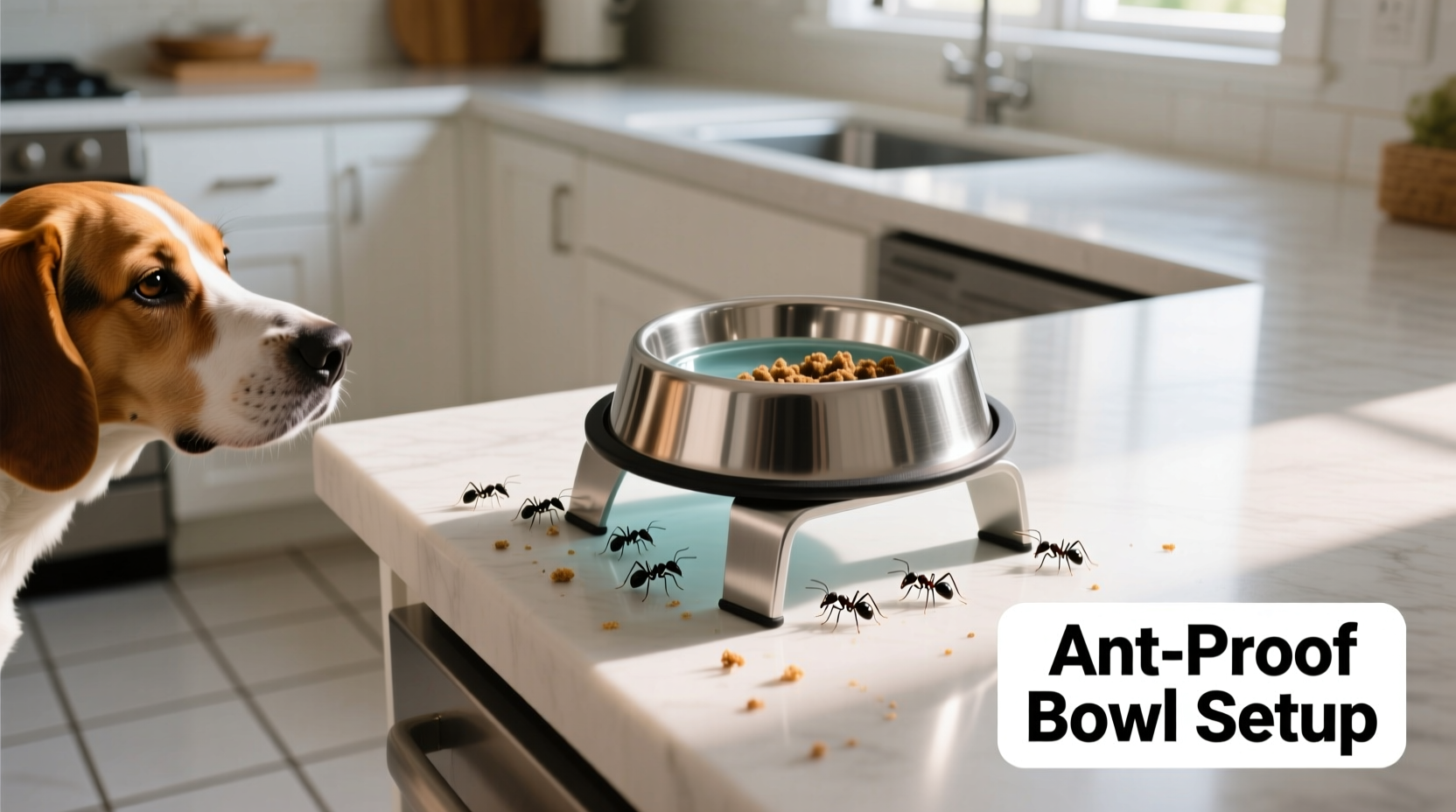
Ants operate on scent trails. Once a single scout discovers a food source—like spilled kibble or grease from wet food—it returns to the colony and recruits others along a pheromone trail. Dog food, especially moist or oily varieties, emits strong odors that travel easily through cracks, floors, and baseboards. Even microscopic residues around the bowl can attract persistent colonies.
Common ant species such as odorous house ants, pavement ants, and Argentine ants are particularly fond of protein and carbohydrates found in commercial dog foods. They’re not picky—they’ll consume dry kibble, lick clean bowls, and scavenge fallen crumbs within minutes of feeding time.
Immediate Steps to Eliminate Active Infestations
If you’ve already spotted ants swarming near your dog’s bowl, act quickly to break the cycle before the colony establishes a permanent route into your home.
- Remove the food source: Take away the bowl and store it in a sealed container. Do not leave food out unattended for long periods.
- Clean thoroughly: Wash the bowl with hot, soapy water. Also clean the floor or mat beneath with vinegar or an enzyme-based cleaner to erase scent markers.
- Disrupt ant trails: Use a mixture of equal parts white vinegar and water to wipe baseboards, door frames, and nearby surfaces where ants may be traveling.
- Inspect entry points: Look for cracks in flooring, gaps under doors, or openings near walls where ants might be entering.
- Use non-toxic deterrents temporarily: Place baby-safe barriers like diatomaceous earth (food-grade) or cinnamon lines near access points—but keep them away from direct contact with food or curious pets.
Expert Quote on Ant Behavior
“Ants follow chemical highways laid by scouts. Breaking those trails with cleaning agents like vinegar disrupts their navigation and stops recruitment.” — Dr. Lena Torres, Urban Entomologist, University of Florida
Long-Term Prevention Strategies
Preventing future invasions requires a combination of sanitation, strategic placement, and environmental control. Here are proven methods to maintain an ant-free feeding zone:
1. Elevate the Feeding Area
Place your dog’s bowl on a stand or tray that sits inside a shallow dish filled with water. Ants cannot cross a moat-like barrier. This method, known as a “water moat,” is highly effective when properly maintained. Just ensure the water level is shallow enough to avoid splashing into the food bowl.
2. Use Ant-Proof Feeding Stations
Create a dedicated feeding station using a plastic tray or mat with raised edges. After each meal, remove the entire setup and clean it. Consider placing double-sided tape or sticky barriers around the legs of feeding furniture to trap crawling insects.
3. Feed in Controlled Time Windows
Instead of leaving food out all day (free-feeding), establish set mealtimes. Offer food for 15–20 minutes, then remove any uneaten portions. This reduces exposure time and eliminates lingering attractants.
4. Store Dog Food Properly
The original bag isn’t enough. Transfer kibble into airtight, hard-shell containers with locking lids. These block odors and prevent ants from accessing stored food. Clean the storage area monthly and inspect for spills.
Do’s and Don’ts: Ant Prevention at a Glance
| Do | Don't |
|---|---|
| Wash bowls daily with hot water and soap | Leave food out overnight |
| Use a water barrier under feeding stands | Store dog food in flimsy bags on the floor |
| Vacuum and mop around feeding zones weekly | Use chemical pesticides near pet areas |
| Seal cracks near baseboards and windows | Ignore small ant sightings—they signal larger issues |
Real-Life Example: A Persistent Kitchen Invasion
Sarah from Austin, Texas, noticed ants appearing every morning near her Labrador’s breakfast bowl. Despite daily cleaning, the problem persisted. She realized the bowl was placed near a sliding glass door with a tiny gap at the bottom. After sealing the gap with silicone caulk and switching to scheduled mealtimes with immediate cleanup, the ants disappeared within a week. She now uses a rubber mat with a water-filled rim under the elevated bowl—a solution she says has worked for over six months without recurrence.
Safe and Natural Deterrents You Can Use
Many pet owners prefer avoiding chemicals altogether. Fortunately, several natural options effectively repel ants without endangering pets:
- Vinegar spray: Mix one part vinegar with one part water and spray along ant paths. Reapply every few days.
- Cinnamon or chili powder: Sprinkle around feeding zones as temporary barriers. Avoid direct contact with food.
- Lemon juice: The citric acid disrupts scent trails. Wipe surfaces with diluted lemon juice weekly.
- Foodsafe diatomaceous earth: Apply lightly around room perimeters (not near food). It dehydrates ants but is non-toxic when used correctly.
Note: While these remedies deter ants, they should complement—not replace—structural and behavioral changes.
Step-by-Step Guide to Creating an Ant-Safe Feeding Zone
- Choose a location: Pick a hard-surfaced area away from exterior walls, doors, and windows.
- Elevate the bowl: Use a stand placed inside a shallow tray filled with water.
- Add a feeding mat: Place a washable rubber mat underneath to catch spills and simplify cleanup.
- Establish feeding times: Serve meals on a schedule and remove bowls within 20 minutes.
- Deep clean weekly: Scrub the bowl, stand, tray, and surrounding floor with vinegar or pet-safe disinfectant.
- Inspect monthly: Check for new cracks, reseal gaps, and confirm water levels in moats.
Frequently Asked Questions
Can ants harm my dog if they get into the food?
While most common household ants aren’t directly toxic, their presence introduces bacteria and contaminants. Some dogs may experience mild stomach upset if they ingest ants or ant-infested food. Fire ants pose a greater risk and can sting sensitive areas like the mouth.
Is it safe to use essential oils near my dog’s food to repel ants?
No. Many essential oils—such as tea tree, eucalyptus, and peppermint—are toxic to dogs, even in small amounts. Avoid using oil-based repellents in feeding areas unless explicitly labeled as pet-safe and applied far from food contact zones.
How fast do ant colonies grow near food sources?
A single colony can expand rapidly when a reliable food source is available. Some species can double their population in under two weeks. Early intervention is key to preventing entrenched infestations.
Final Thoughts and Call to Action
Keeping ants out of your dog’s food bowl isn’t about one-time fixes—it’s about building a consistent routine that removes attractants and blocks access. From elevating feeding stations to enforcing strict meal schedules, every step contributes to a cleaner, safer environment for your pet. The strategies outlined here are practical, cost-effective, and grounded in real-world effectiveness.




 浙公网安备
33010002000092号
浙公网安备
33010002000092号 浙B2-20120091-4
Comments
No comments yet. Why don't you start the discussion?