
Pack rats, also known as woodrats, are common in many regions across the western and southwestern United States. While they may seem harmless at first, these rodents can cause significant damage to homes, insulation, wiring, and stored items. Unlike common house mice, pack rats collect shiny objects and build large nests from twigs, paper, and debris—often inside walls, attics, or garages. Preventing infestations before they start and eliminating existing ones requires a strategic, multi-pronged approach. This guide outlines proven methods to keep your property pack rat–free using humane, sustainable, and effective techniques.
Understanding Pack Rats: Behavior and Risks
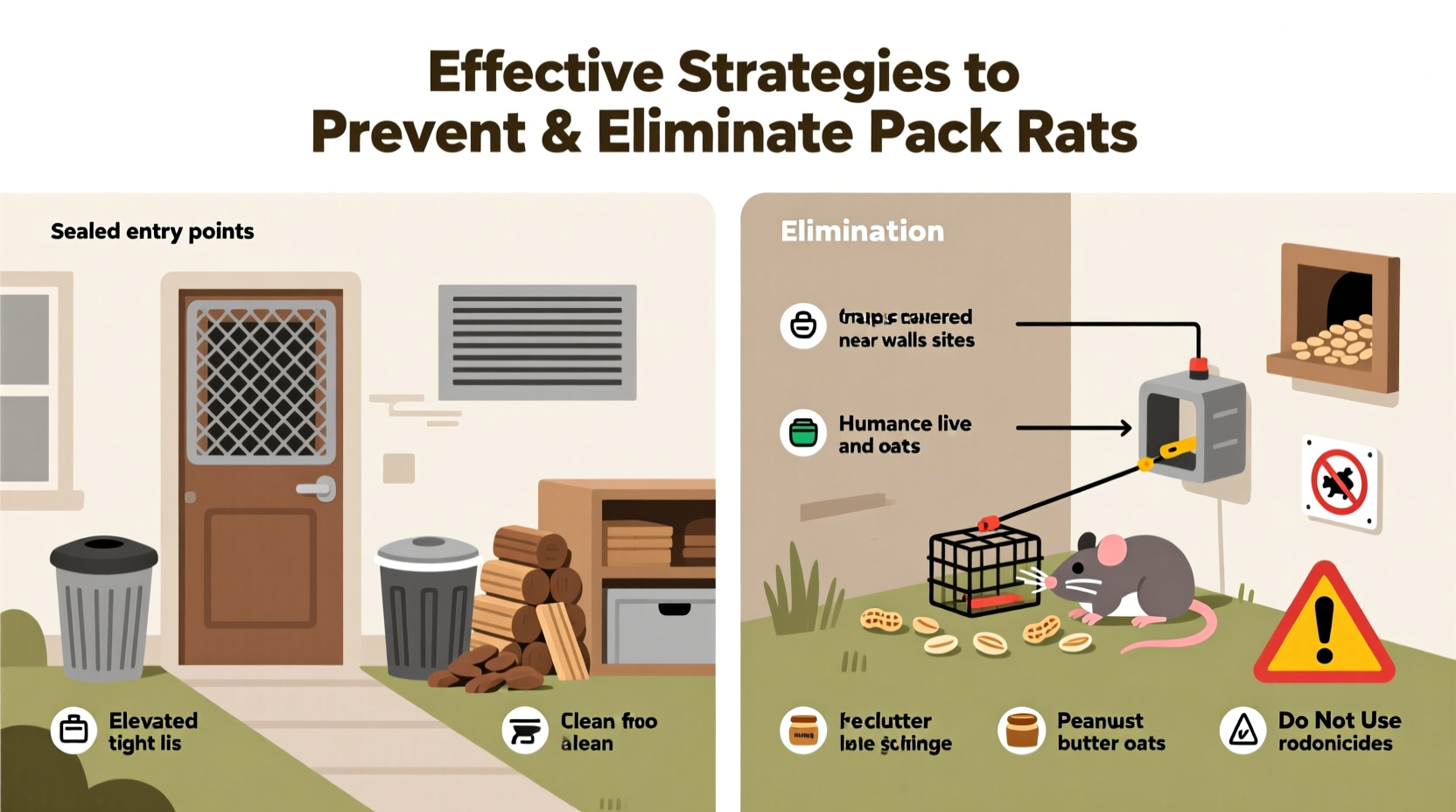
Pack rats (Neotoma spp.) are nocturnal rodents that thrive in dry, rocky environments but readily adapt to human structures. They are named for their habit of collecting small objects—coins, bottle caps, pieces of foil—to decorate their nests. These nests, called middens, can grow several feet wide and are often constructed in secluded areas such as crawl spaces, sheds, or behind appliances.
Their nesting behavior poses serious risks:
- Fire hazards: Gnawed electrical wires can lead to short circuits.
- Structural damage: Insulation and drywall are frequently destroyed.
- Contamination: Urine and droppings may carry hantavirus and other pathogens.
- Allergens: Accumulated nesting materials can trigger respiratory issues.
Because pack rats are territorial and reproduce quickly under favorable conditions, early intervention is critical. Ignoring signs like scratching noises, droppings, or missing household items can lead to costly repairs and health concerns.
Step-by-Step Guide to Eliminating Existing Infestations
Once pack rats have taken up residence, removal must be handled carefully to avoid disease exposure and re-infestation. Follow this timeline for safe and thorough elimination:
- Inspect and locate entry points (Day 1): Use a flashlight to check attics, basements, garages, and utility rooms. Look for holes larger than a quarter-inch, gnaw marks, or trails along baseboards.
- Set live traps (Days 2–5): Use humane box traps baited with peanut butter, oatmeal, or fruit near active areas. Check traps daily. Relocate captured rats at least five miles away in a natural habitat.
- Remove nests and sanitize (Day 6): Wear gloves and an N95 mask. Spray nests with a 10% bleach solution before removal. Double-bag all debris and dispose of it in sealed outdoor trash.
- Seal access points (Day 7): Use steel wool, hardware cloth, or expanding foam to close gaps around pipes, vents, and foundations. Reinforce with metal flashing where needed.
- Monitor for two weeks: Continue checking traps and inspecting for new activity. Re-bait if necessary.
“Pack rats are intelligent and persistent. A single missed entry point can lead to rapid re-colonization.” — Dr. Linda Perez, Wildlife Biologist, Arizona State University
Prevention Checklist: Long-Term Property Protection
Preventing pack rats is far more effective than dealing with an established population. Use this checklist to safeguard your home year-round:
- ✅ Seal all exterior cracks and gaps larger than ¼ inch
- ✅ Install mesh screens over attic vents and chimney openings
- ✅ Store firewood, lumber, and yard debris at least 30 feet from the house
- ✅ Keep garages and sheds clutter-free and well-lit
- ✅ Trim tree branches and shrubs touching the roofline
- ✅ Remove pet food and birdseed from outdoor areas at night
- ✅ Use airtight containers for storing food, paper, and fabrics
- ✅ Conduct seasonal inspections of crawl spaces and attics
Do’s and Don’ts of Pack Rat Control
| Do’s | Don’ts |
|---|---|
| Use live traps for humane capture | Use poison baits—dead rats may decay in walls, causing odor and attracting pests |
| Wear protective gear when cleaning nests | Handle droppings or nesting material bare-handed |
| Relocate captured rats responsibly | Release them too close to your home or someone else’s property |
| Partner with licensed wildlife removal services for large infestations | Attempt DIY removal without proper knowledge or tools |
| Keep storage areas organized and dry | Store cardboard boxes or fabric piles directly on garage floors |
Real Example: How One Homeowner Regained Control
In Prescott, Arizona, homeowner Maria Thompson began noticing strange noises in her attic and missing kitchen utensils. After discovering a large midden made of aluminum foil, wire scraps, and stolen silverware behind her water heater, she contacted a local pest control expert. The technician identified two entry points near the roofline and found chewed electrical insulation—an urgent fire risk.
Maria followed a structured plan: she set live traps, captured three pack rats over five nights, and had the nest professionally cleaned. She then sealed all access points with galvanized mesh and installed motion-sensor lights in the garage. Two years later, she remains pack rat–free and conducts biannual inspections. “I didn’t realize how much damage they could do,” she said. “Now I treat prevention like routine maintenance—just like changing the HVAC filter.”
Frequently Asked Questions
Are pack rats dangerous to humans?
Pack rats are not aggressive, but they can pose health risks. Their droppings and urine may carry hantavirus, especially when inhaled as dust during cleanup. Always wear protective gear and use disinfectants when handling contaminated areas.
Can I use ultrasonic repellents to deter pack rats?
Most scientific studies show limited effectiveness for ultrasonic devices. While some users report short-term results, pack rats often adapt quickly. Physical exclusion and habitat modification remain the most reliable deterrents.
How far should I relocate a captured pack rat?
To prevent return, relocate the animal at least five miles from your property in a suitable natural environment—preferably a remote desert or woodland area with access to food and shelter. Check local regulations, as some states require permits for wildlife relocation.
Conclusion: Take Action Before Damage Escalates
Pack rats may seem like curious nuisances, but their presence can lead to expensive repairs and health hazards if left unchecked. The most effective strategy combines prompt removal, thorough sanitation, and proactive prevention. By sealing entry points, reducing attractants, and monitoring vulnerable areas, homeowners can maintain a rodent-free environment without resorting to harmful chemicals or inhumane methods.
Start with a full property inspection today. Address even the smallest gap or unusual sign—early action saves time, money, and stress. Share your experience or questions below to help others protect their homes from these resourceful but destructive rodents.




 浙公网安备
33010002000092号
浙公网安备
33010002000092号 浙B2-20120091-4
Comments
No comments yet. Why don't you start the discussion?