
In an era where digital transformation accelerates across industries, the risk of data breaches has never been higher. Cybercriminals are evolving in sophistication, targeting businesses of all sizes with increasing frequency. A single breach can compromise sensitive customer information, damage brand reputation, and result in steep financial penalties. But with the right strategies in place, organizations can not only reduce their exposure but also respond effectively when incidents occur. Lasting security is not about a one-time fix—it's built on continuous vigilance, proactive planning, and resilient systems.
Understand the Threat Landscape
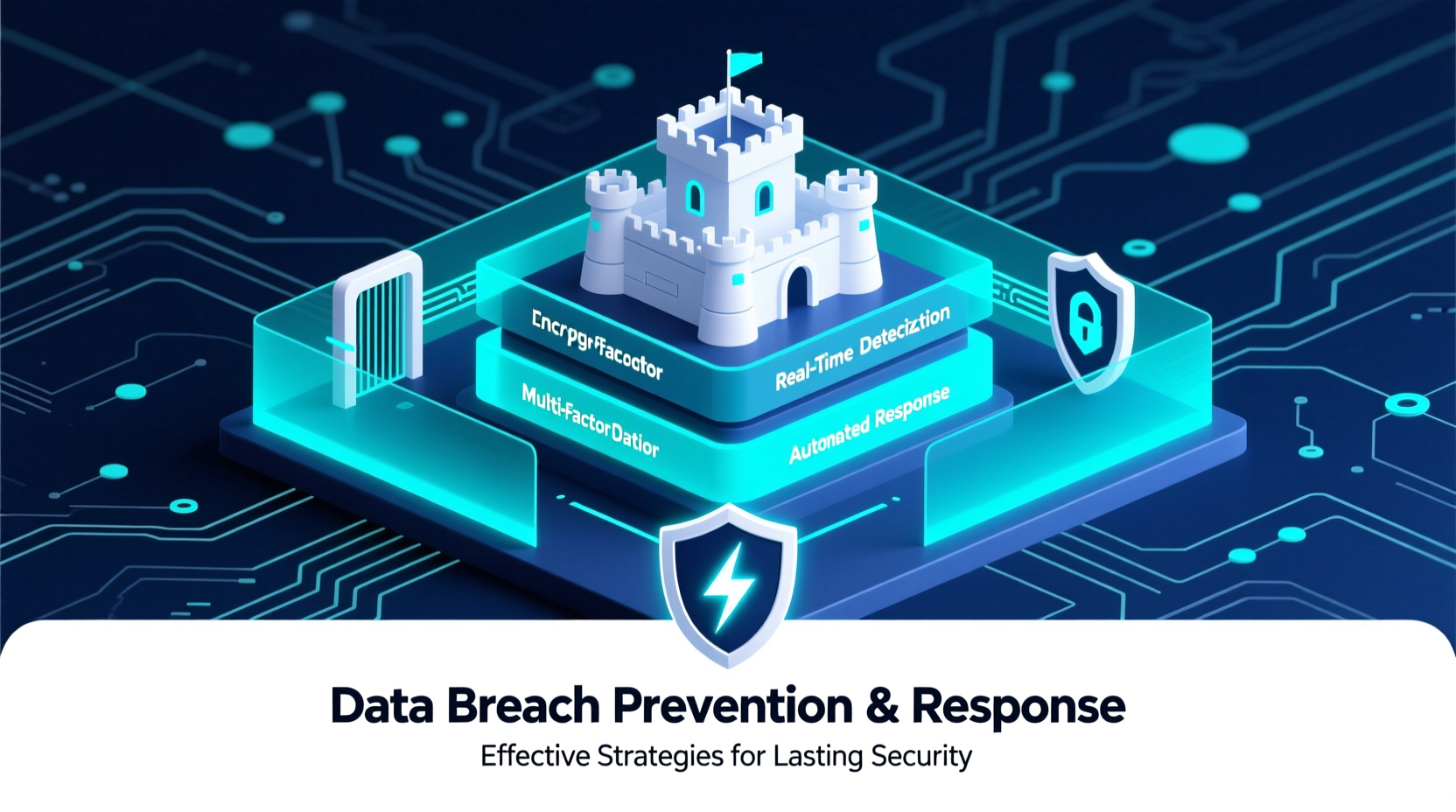
Data breaches stem from a variety of sources: phishing attacks, unpatched software, insider threats, misconfigured cloud storage, and ransomware. According to IBM’s Cost of a Data Breach Report 2023, the average cost of a breach reached $4.45 million globally—a 15% increase over three years. What’s more, it takes organizations an average of 277 days to identify and contain a breach.
This delay underscores a critical gap: many companies lack the visibility and processes needed to detect threats early. To build lasting security, you must first understand how attackers operate. Most breaches exploit human error or outdated infrastructure. Recognizing these weak points allows organizations to shift from reactive firefighting to strategic prevention.
Prevention: Building a Proactive Security Foundation
Preventing data breaches starts with a layered defense strategy—often referred to as \"defense in depth.\" This approach combines technical controls, employee awareness, and governance to create multiple barriers against compromise.
Implement Strong Access Controls
Limit access to sensitive data using the principle of least privilege. Employees should only have access to the information necessary for their roles. Use role-based access control (RBAC) systems and enforce multi-factor authentication (MFA) across all accounts, especially administrative ones.
Secure Your Network Infrastructure
Firewalls, intrusion detection systems (IDS), and encrypted communication protocols (like TLS) form the backbone of network security. Segment your internal networks to limit lateral movement if a breach occurs. For example, keep financial systems isolated from general employee workstations.
Patch Management and System Updates
Unpatched software remains one of the top entry points for attackers. Establish a formal patch management process that includes regular audits, automated updates where possible, and prioritization based on severity scores (e.g., CVSS ratings).
“Organizations that apply patches within 48 hours of release reduce their likelihood of exploitation by over 60%.” — National Institute of Standards and Technology (NIST)
Actionable Checklist for Prevention
- ✅ Enforce multi-factor authentication (MFA) for all users
- ✅ Classify data by sensitivity and restrict access accordingly
- ✅ Conduct monthly vulnerability scans
- ✅ Maintain an updated inventory of all devices and software
- ✅ Encrypt sensitive data at rest and in transit
- ✅ Train employees quarterly on phishing and social engineering risks
- ✅ Back up critical data daily and test restoration procedures
Responding to a Breach: A Step-by-Step Guide
No system is completely immune. When a breach occurs, speed and precision matter. Follow this structured response plan to minimize damage and accelerate recovery.
- Contain the Threat: Isolate affected systems immediately. Disconnect compromised devices from the network to prevent further spread.
- Assess the Scope: Determine what data was accessed, modified, or exfiltrated. Use logs, endpoint detection tools, and SIEM platforms to trace attacker activity.
- Engage Incident Response Team: Activate your internal or external cybersecurity team. If regulated, notify legal counsel and compliance officers.
- Notify Affected Parties: Comply with data protection laws (e.g., GDPR, CCPA) by informing customers, partners, and authorities within required timeframes.
- Eradicate the Threat: Remove malware, close backdoors, reset credentials, and apply missing patches.
- Recover Systems: Restore clean backups after verifying their integrity. Monitor for residual anomalies during the transition back to normal operations.
- Conduct Post-Incident Review: Document lessons learned, update policies, and strengthen defenses to prevent recurrence.
Common Pitfalls and How to Avoid Them
| Mistake | Why It’s Risky | Better Approach |
|---|---|---|
| Storing passwords in spreadsheets | Easy target for theft or accidental exposure | Use enterprise password managers with encryption and audit trails |
| Ignoring third-party vendor risks | Vendors often have access to core systems and data | Conduct security assessments before onboarding and monitor continuously |
| Infrequent backup testing | Backups may be corrupted or incomplete | Test restoration every quarter under realistic conditions |
| Lack of employee training | Human error causes ~95% of breaches | Run simulated phishing campaigns and offer ongoing education |
Real-World Example: Learning from a Retail Breach
A mid-sized e-commerce company experienced a data breach when a developer accidentally exposed an API key in a public GitHub repository. Attackers used the key to access the customer database containing names, emails, and hashed passwords. The breach went unnoticed for nearly two weeks.
The company responded by immediately rotating all keys, disabling public access to repositories, and launching a forensic investigation. They notified affected users, offered free credit monitoring, and implemented automated code scanning tools to detect secrets in future commits. As a result, they reduced the risk of similar oversights and rebuilt customer trust through transparent communication.
Expert Insight: The Role of Leadership in Cybersecurity
Security isn’t just an IT issue—it’s a business imperative. Executives must champion a culture of security awareness and allocate sufficient resources to maintain robust defenses.
“Cyber resilience starts at the boardroom. When leadership treats cybersecurity as a strategic priority, not just a compliance checkbox, organizations see fewer incidents and faster recovery times.” — Dr. Lena Patel, Chief Information Security Officer, CyberShield Group
This means investing in both technology and people. Regular tabletop exercises, clear incident response playbooks, and executive-level briefings ensure that everyone understands their role during a crisis.
Frequently Asked Questions
How often should we conduct security audits?
Internal audits should occur at least twice a year, with external penetration tests conducted annually. High-risk environments (e.g., healthcare, finance) may require quarterly reviews.
Are small businesses really targeted by hackers?
Yes. Over 43% of cyberattacks target small to medium-sized businesses. Many attackers assume smaller organizations have weaker defenses, making them attractive targets.
What’s the difference between data encryption and tokenization?
Encryption transforms data into unreadable ciphertext using a key. Tokenization replaces sensitive data with non-sensitive placeholders (tokens). Both enhance security, but encryption is reversible with the correct key, while tokenization requires a secure lookup table.
Building Lasting Security Through Continuous Improvement
Lasting security isn't achieved through a single tool or policy. It emerges from consistent effort—regular training, timely updates, vigilant monitoring, and adaptive planning. Organizations that treat cybersecurity as an ongoing journey rather than a destination are far better equipped to withstand evolving threats.
Start by assessing your current posture: Where are your blind spots? Are your employees prepared? Do you have a tested incident response plan? Address gaps methodically, track progress, and foster accountability at every level.




 浙公网安备
33010002000092号
浙公网安备
33010002000092号 浙B2-20120091-4
Comments
No comments yet. Why don't you start the discussion?