
Hiking is one of the most rewarding ways to connect with nature, challenge your body, and clear your mind. But even the most scenic trail can turn into a painful ordeal if blisters develop on your feet. Friction, moisture, and improper footwear are common culprits behind these small but debilitating wounds. While it’s easy to overlook foot care until discomfort strikes, preventing blisters should be a top priority for every hiker—regardless of experience level or trail difficulty.
Blisters form when repeated rubbing wears down layers of skin, causing fluid to accumulate beneath the surface. Left untreated, they can lead to infection, forced trip cancellations, or long-term foot sensitivity. The good news? Most blisters are entirely preventable with the right preparation and habits. From choosing the correct footwear to mastering lacing techniques, here’s how to keep your feet comfortable mile after mile.
Selecting the Right Footwear
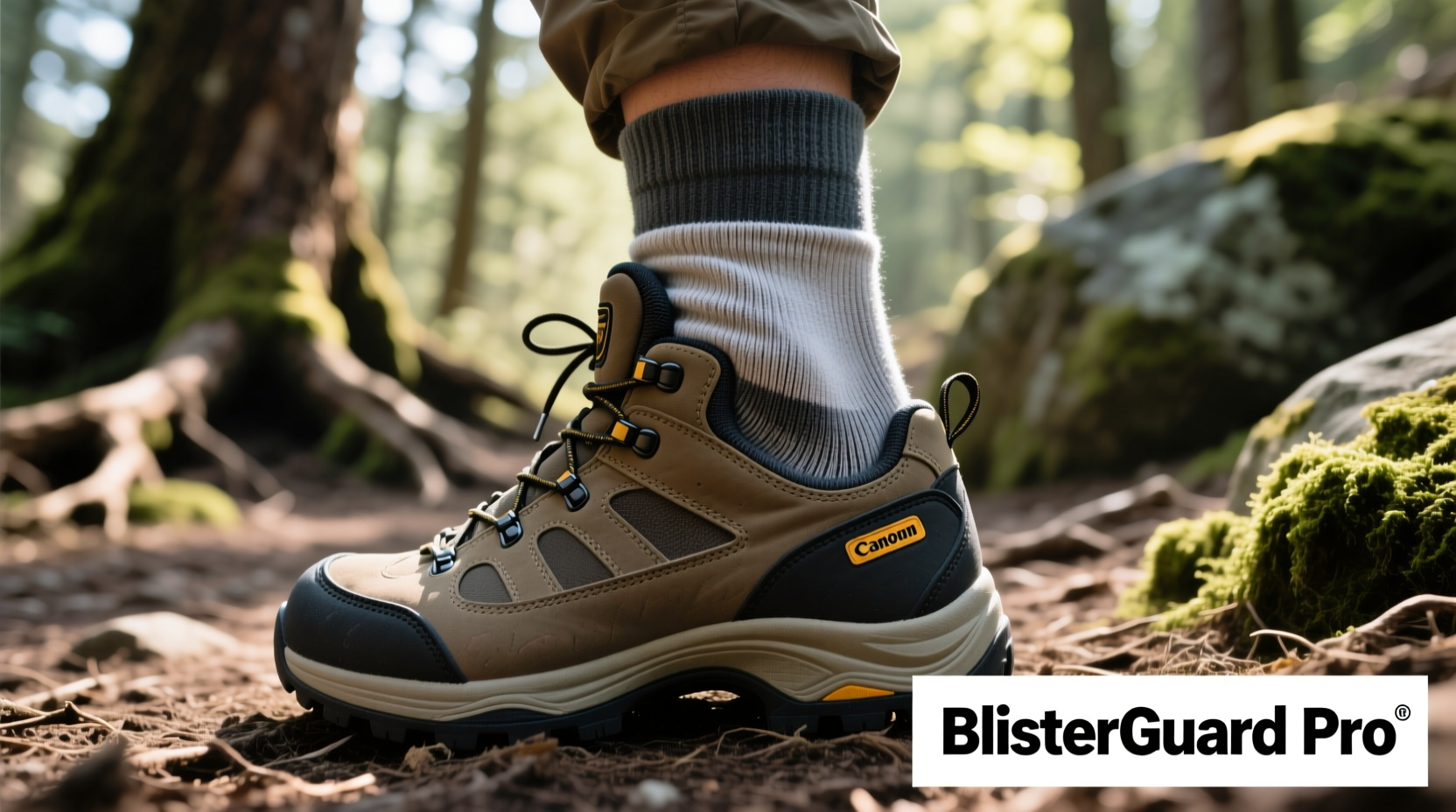
The foundation of blister prevention begins with your hiking shoes or boots. Ill-fitting footwear is the leading cause of friction points that evolve into blisters. A shoe that's too tight squeezes your toes, while one that's too loose allows your foot to slide forward with each step—especially during descents.
When shopping for hiking footwear, prioritize fit over style or brand loyalty. Visit a specialty outdoor retailer where staff can measure both the length and width of your feet and recommend models suited to your arch type and gait. Try on shoes in the afternoon, when feet are slightly swollen, and wear the same socks you plan to hike in.
Break in new shoes gradually. Never wear untested footwear on a long hike. Start with short walks around town or local trails to assess comfort and identify pressure points before venturing into remote terrain.
Optimizing Sock Selection and Layering
Socks play an equally critical role in blister prevention. Not all socks are created equal—material, thickness, and construction matter significantly. Cotton socks absorb moisture and retain it, increasing friction and softening skin, which makes it more prone to damage. Instead, opt for synthetic or wool blends designed specifically for hiking.
Merino wool is particularly effective due to its natural moisture-wicking properties, temperature regulation, and odor resistance. Modern hiking socks often use targeted padding in high-friction zones like heels and toes, reducing stress on vulnerable areas.
Some hikers use a double-sock system: a thin inner liner sock made of silk or synthetic material, paired with a thicker outer sock. This setup reduces friction between the foot and the outer sock, effectively minimizing shear forces that cause blisters.
| Sock Type | Benefits | Drawbacks |
|---|---|---|
| Merino Wool | Wicks moisture, resists odor, regulates temperature | Higher cost, requires gentle washing |
| Synthetic (Polyester/Nylon) | Durable, quick-drying, affordable | May retain odor over time |
| Cotton | Soft, inexpensive | Retains water, increases blister risk |
| Liner + Outer Sock System | Reduces friction significantly | Requires extra packing, may feel bulky |
Mastering Lacing Techniques
Even well-fitted shoes can cause blisters if laced improperly. Inconsistent tension leads to heel lift, toe jamming, or side-to-side movement—all of which generate friction. Learning a few advanced lacing methods can make a dramatic difference in comfort.
For example, the “heel lock” or “lace lock” technique secures the midfoot and prevents heel slippage. To execute it, create a loop with the lace at the second-to-last eyelet, thread the end through, and pull tight before tying the final knot. This cinches the heel firmly into place without increasing overall foot pressure.
If you’re experiencing pressure on the top of your foot, try “skip lacing” over the sensitive area to relieve tension. Conversely, if your toes are sliding forward on downhill sections, consider “toe-loop lacing” to anchor the forefoot.
“Proper lacing isn’t just about fit—it’s about dynamic stability. Your foot shifts with terrain, and your laces should accommodate that.” — Dr. Lena Torres, Sports Podiatrist
Step-by-Step Blister Prevention Routine
Prevention works best when applied systematically. Follow this timeline before and during your hike to minimize blister risk:
- Weeks Before Hike: Break in your shoes with progressively longer walks. Identify and address any hot spots early.
- Day Before: Wash and dry your feet thoroughly. Trim toenails straight across to avoid pressure or ingrown issues.
- Morning of Hike: Apply anti-chafe balm or tape to known problem areas (e.g., heels, little toes).
- First 30 Minutes: Stop and adjust laces. Check for tightness, slippage, or discomfort.
- During Hike: At every break, remove shoes and inspect feet. Dry damp areas and reapply lubricant if needed.
- If a Hot Spot Develops: Immediately cover with blister tape or moleskin before a full blister forms.
Real-World Example: The Appalachian Trail Test
Consider the case of Mark R., a thru-hiker who attempted the Appalachian Trail with brand-new boots and cotton socks. By day three, he developed blisters on both heels and the ball of his left foot. Forced to stop in Damascus, Virginia, he consulted a trail outfitter who recommended switching to merino wool socks, applying leukotape to high-friction zones, and re-lacing with a heel lock.
After adjusting his approach, Mark completed over 1,200 miles without another blister. His takeaway? “I underestimated how much small changes mattered. Taping my heels took two minutes, but saved me days of pain.”
Common Mistakes That Cause Blisters
- Ignoring hot spots: A warm, tender area is a warning sign. Address it immediately.
- Wearing damp socks: Wet fabric increases friction tenfold. Change into dry socks at breaks if needed.
- Over-tightening laces: This restricts circulation and causes pressure points rather than preventing movement.
- Hiking through existing blisters: Continuing to walk on a broken blister risks infection and prolongs healing.
FAQ
Should I pop a blister if it forms on the trail?
Only if it’s large, painful, and interferes with walking. Use a sterilized needle to puncture at the edge, gently press out fluid, leave the skin intact, and cover with antibiotic ointment and a blister pad. Never remove the skin—it protects the underlying tissue.
Are blister plasters better than regular bandages?
Yes. Products like Compeed or Leukotape are engineered to mimic skin elasticity and provide cushioning under pressure. Regular bandages often peel off due to sweat and movement, offering minimal protection.
Can foot powder prevent blisters?
Talcum or cornstarch-based powders can reduce moisture temporarily, but they clump when wet and may increase abrasion. More effective options include antiperspirants applied at night or specialized foot glide products used before lacing up.
Final Checklist: Blister-Proof Your Hike
- ✅ Break in shoes weeks in advance
- Test them on similar terrain to your planned hike.
- ✅ Wear moisture-wicking socks
- Avoid cotton; consider a liner sock system.
- ✅ Use proper lacing techniques
- Apply heel locks or pressure-relief lacing as needed.
- ✅ Pre-tape high-risk areas
- Use athletic tape or blister-specific patches on heels, toes, or bunions.
- ✅ Carry a foot care kit
- Include tape, antiseptic, moleskin, and spare socks.
- ✅ Monitor feet during breaks
- Remove shoes, air out feet, check for redness or warmth.
Conclusion
Preventing blisters isn’t about luck—it’s about preparation, awareness, and consistent care. By selecting the right footwear, optimizing sock performance, using smart lacing techniques, and staying vigilant on the trail, you can hike farther, longer, and more comfortably. Blisters don’t have to be an inevitable part of the hiking experience. With these strategies, you take control of your foot health and ensure that the only souvenirs you bring home are memories and photos—not bandaged toes.




 浙公网安备
33010002000092号
浙公网安备
33010002000092号 浙B2-20120091-4
Comments
No comments yet. Why don't you start the discussion?