
Cat owners often face the frustrating challenge of finding unexpected messes around the house—evidence that their feline companion has chosen a spot other than the litter box for elimination. While this behavior can be distressing, it’s rarely about spite. More often, inappropriate defecation stems from medical issues, environmental stress, or dissatisfaction with the litter setup. Addressing the root cause with patience and consistency is key to restoring harmony in your home.
Understand the Root Causes
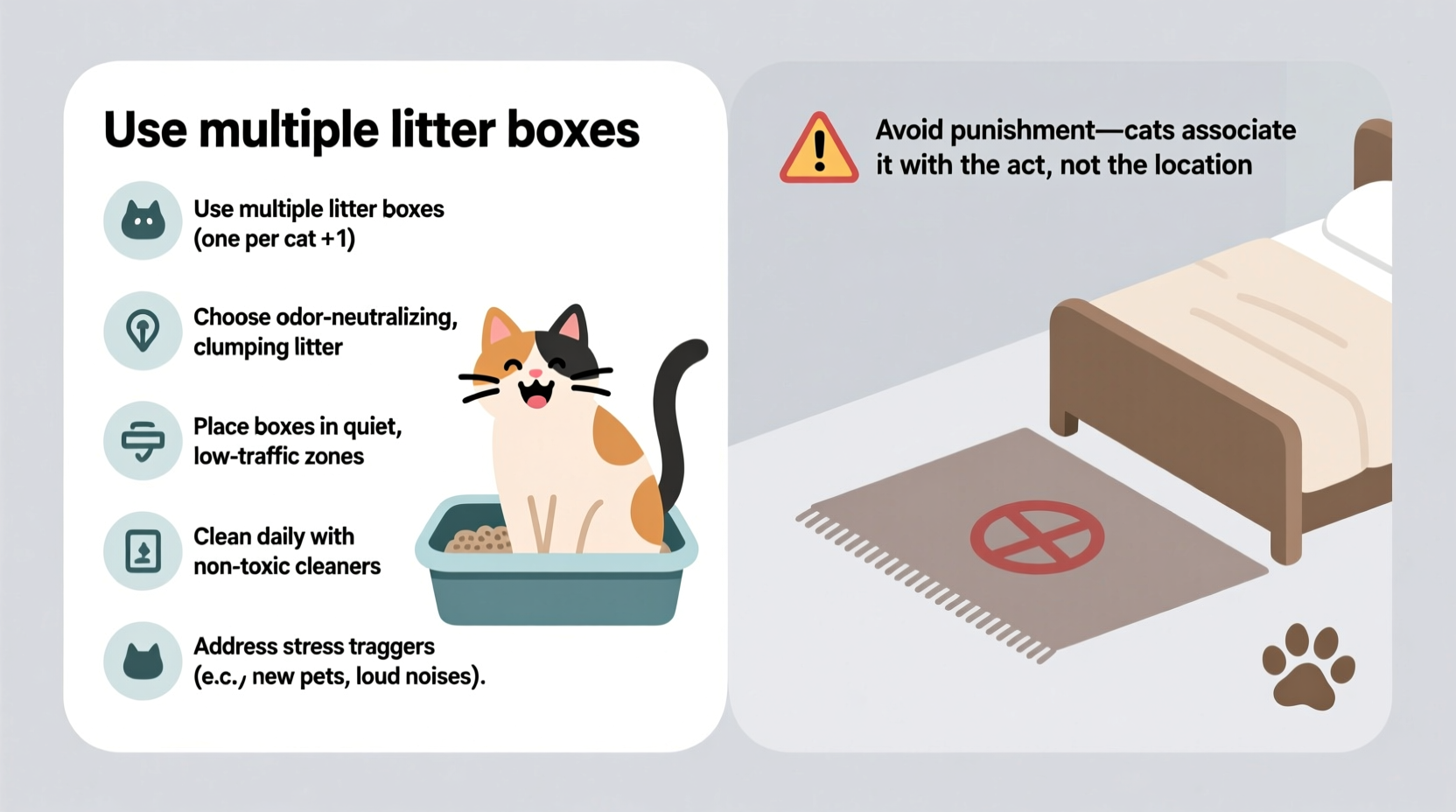
Cats are creatures of habit and hygiene. When they begin defecating outside the litter box, it's usually a sign that something is wrong. Common causes include:
- Medical conditions: Constipation, diarrhea, arthritis, or urinary tract infections can make using the litter box painful or difficult.
- Litter box aversion: Cats may avoid boxes that are dirty, too small, poorly located, or contain an unpleasant litter type.
- Stress or anxiety: Changes in routine, new pets, loud noises, or household conflicts can trigger behavioral issues.
- Territorial marking: In multi-cat homes, cats may eliminate in specific areas to assert dominance or reduce competition.
- Preference for surfaces: Some cats develop a preference for soft textures like carpets, beds, or laundry piles.
Before implementing behavioral strategies, rule out health problems. A visit to the veterinarian should always be the first step when inappropriate elimination begins suddenly.
Optimize Litter Box Management
The design, number, and placement of litter boxes significantly influence your cat’s willingness to use them. Follow these evidence-based guidelines to create an inviting elimination environment.
Follow the “One Plus One” Rule
In multi-cat households, provide one litter box per cat, plus one extra. This prevents territorial disputes and ensures access even if one box is occupied or hard to reach.
Choose the Right Litter
Most cats prefer unscented, clumping clay litter with a fine texture. Strong fragrances or dusty litters can deter use. Test different types gradually to identify your cat’s preference.
Keep Boxes Clean
Scoop waste daily and replace litter entirely every 2–3 weeks. Use mild, non-ammonia-based cleaners when washing the box. A dirty box is one of the top reasons cats seek alternatives.
| Factor | Best Practice | Avoid |
|---|---|---|
| Number of Boxes | One per cat + one extra | Fewer boxes than cats |
| Litter Depth | 2–3 inches | Too shallow or overly deep |
| Location | Quiet, accessible, low-traffic area | Near noisy appliances or food bowls |
| Box Type | Open or covered based on cat preference | Overly restrictive or hooded if disliked |
“Cats are fastidious groomers and expect the same cleanliness from their bathroom. A neglected litter box is often the primary reason for house soiling.” — Dr. Sarah Thompson, Feline Behavior Specialist
Modify the Environment and Reduce Stress
Environmental enrichment plays a crucial role in preventing inappropriate elimination. Cats that feel safe and mentally stimulated are less likely to act out through undesirable behaviors.
Identify sources of stress such as:
- New pets or people in the home
- Construction noise or frequent visitors
- Lack of vertical space or hiding spots
- Competition over resources (food, water, resting areas)
Address these by creating separate zones for each cat in multi-pet homes, adding climbing shelves, providing scratching posts, and maintaining consistent routines. Pheromone diffusers like Feliway can also help calm anxious cats by mimicking natural facial pheromones.
Step-by-Step Guide: Reclaiming Problem Areas
- Thoroughly clean soiled areas with an enzymatic cleaner to remove odor cues that attract repeat incidents.
- Block access to the spot temporarily with furniture, aluminum foil, or plastic sheeting—cats dislike walking on these textures.
- Place a litter box in the problem area if the location makes sense (e.g., quiet corner), then slowly move it closer to the desired zone over several days.
- Reintroduce the area positively once the behavior stops—use treats, toys, or playtime to associate the space with good experiences.
Mini Case Study: Resolving Litter Box Avoidance in a Multi-Cat Home
The Rivera family adopted a second cat, Luna, six months after welcoming Milo. Soon after, Milo began defecating on the bathroom rug. The family initially assumed it was jealousy, but a vet visit revealed no medical issues. They consulted a behaviorist who recommended increasing litter boxes from one to three—one per cat plus an extra—and placing them in separate rooms.
They switched to unscented clumping litter and began scooping twice daily. They also installed a Feliway diffuser in the hallway where most incidents occurred. Within three weeks, the accidents stopped. The turning point was realizing that Milo felt intimidated using a shared box near Luna’s favorite napping spot. By giving him his own private bathroom down the hall, his confidence returned.
Prevention Checklist
Action Plan: Prevent Indoor Pooping
- ✔ Schedule a vet checkup to rule out illness
- ✔ Provide one litter box per cat plus one extra
- ✔ Scoop waste daily and change litter regularly
- ✔ Place boxes in quiet, accessible locations away from food
- ✔ Use unscented, clumping litter unless your cat prefers otherwise
- ✔ Clean accidents with enzymatic cleaner—never ammonia-based products
- ✔ Reduce household stress with pheromone diffusers and enrichment
- ✔ Monitor interactions in multi-cat homes for signs of tension
Frequently Asked Questions
Why is my cat pooping next to the litter box instead of inside it?
This often indicates discomfort with the box itself. Possible reasons include the litter being too deep, the sides being too high (especially for older cats), or the box being too dirty. It could also signal pain during defecation—consult your vet to rule out medical causes.
Can I punish my cat for pooping in the house?
No. Punishment increases fear and anxiety, worsening the problem. Cats don’t connect punishment with past actions. Instead, focus on positive reinforcement when your cat uses the box correctly and modify the environment to discourage repeat offenses.
How long does it take to fix inappropriate defecation?
With consistent intervention, many cases resolve within 3–6 weeks. However, chronic or stress-related issues may require longer adjustment periods, especially in multi-cat homes or after major life changes.
Conclusion
Preventing cats from pooping inside your home isn’t about enforcement—it’s about empathy and understanding. By addressing medical concerns, optimizing litter box conditions, reducing stress, and modifying the environment thoughtfully, you can guide your cat back to appropriate habits. Success comes not from scolding, but from creating a living space where your cat feels safe, respected, and understood.




 浙公网安备
33010002000092号
浙公网安备
33010002000092号 浙B2-20120091-4
Comments
No comments yet. Why don't you start the discussion?