
Ceramic bowls are a staple in kitchens around the world, valued for their durability, aesthetic appeal, and versatility. Whether used daily for meals or reserved for special occasions, these bowls can last decades—if cared for properly. However, chipping remains one of the most common issues that shorten their lifespan. From accidental knocks to improper stacking, many everyday habits unknowingly compromise the integrity of ceramic ware. Understanding how to protect them isn’t just about preserving appearance; it’s about maintaining functionality and safety. With the right techniques, you can significantly reduce wear and extend the life of your favorite bowls.
Choose the Right Type of Ceramic for Your Needs
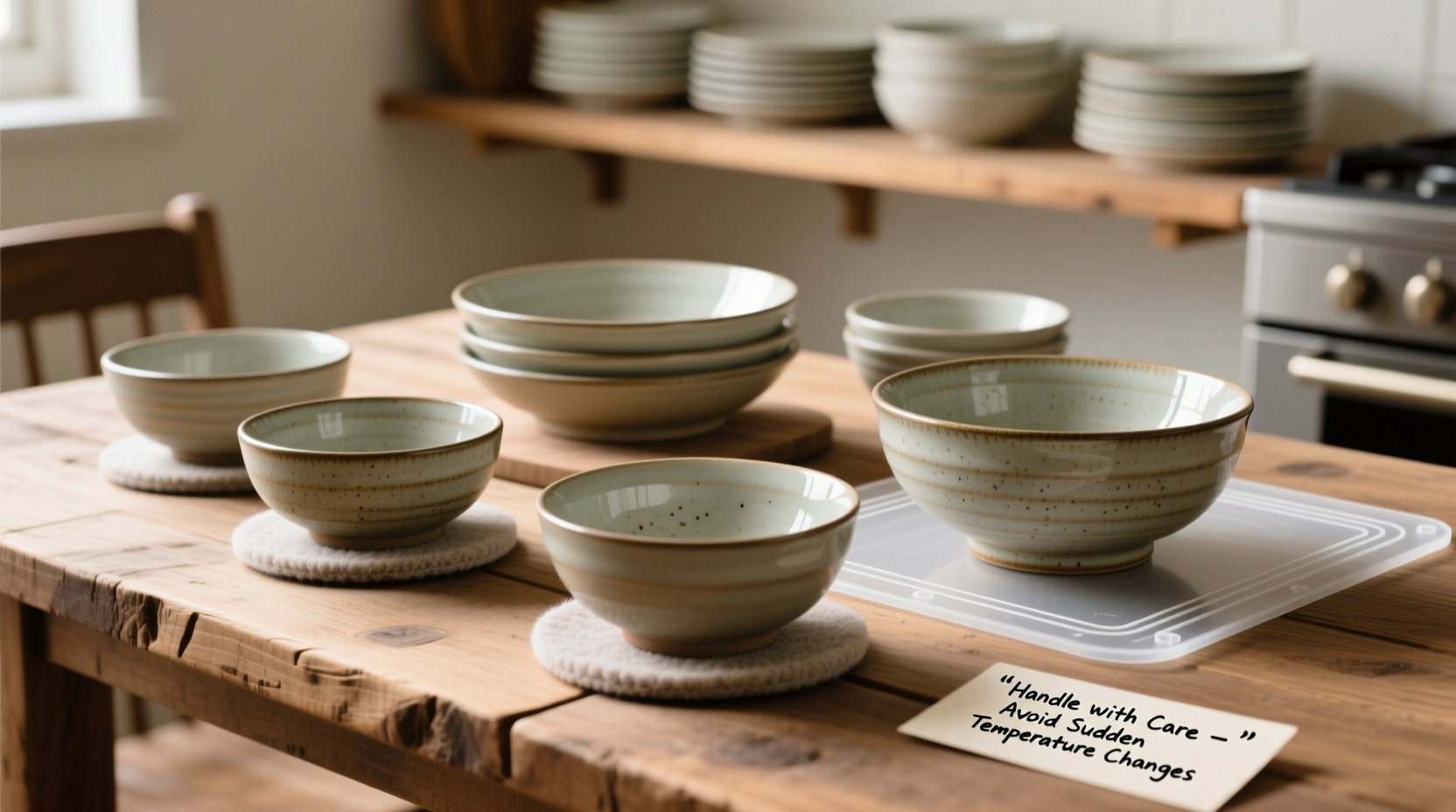
Not all ceramics are created equal. The material composition and manufacturing process determine how resistant a bowl is to chipping. Stoneware and porcelain are two of the most durable options available. Stoneware is fired at high temperatures, making it dense and less porous, while porcelain is even stronger due to its fine kaolin clay base and vitrification process. Earthenware, though beautiful, is more prone to chipping because it’s softer and often glazed over a porous body.
When purchasing new bowls, check product labels for terms like “oven-safe,” “dishwasher-safe,” and “chip-resistant.” These indicate higher structural integrity. Avoid thin-rimmed or hand-thrown pieces if you plan to use them frequently—while charming, they’re more vulnerable to impact damage.
Handle with Care During Use and Cleaning
How you handle your ceramic bowls during meals and cleanup plays a crucial role in preventing chips. Sudden temperature changes, abrasive scrubbing, and careless placement on hard surfaces are leading causes of damage.
Avoid placing a cold ceramic bowl directly into a hot oven or microwave. Thermal shock can cause hairline cracks or sudden fractures. Instead, allow the bowl to reach room temperature first. Similarly, don’t pour boiling liquids into a chilled bowl—this applies especially to older or vintage ceramics that may already have micro-fractures.
When washing, use a soft sponge or cloth rather than steel wool or harsh scouring pads. Even minor abrasions weaken the glaze over time, making the surface more susceptible to chipping. If using a dishwasher, load bowls securely on the top rack, away from metal utensils and other heavy items that could knock against them during the cycle.
“Ceramics aren’t indestructible. A single drop onto tile can undo years of careful use.” — Dr. Lena Torres, Materials Scientist specializing in ceramics
Store Bowls Safely to Prevent Impact Damage
Improper storage is one of the top reasons ceramic bowls chip. Stacking without protection leads to constant friction and pressure points, especially when bowls are removed quickly or unevenly. Over time, this wears down edges and increases the risk of breakage.
To store bowls safely:
- Place a soft liner between stacked bowls—felt pads, silicone trivets, or even cut-to-size fabric squares work well.
- Avoid stacking too many bowls at once. Limit stacks to three or four, depending on size and weight.
- Store in lower cabinets where they’re less likely to be knocked over during daily activity.
- Arrange by size to prevent smaller bowls from shifting inside larger ones.
| Storage Method | Effectiveness | Risk Level |
|---|---|---|
| Stacked with felt liners | High | Low |
| Unprotected stacking | Low | High |
| Hanging display (with hooks) | Moderate | Low |
| Loose in deep drawer | Poor | High |
Step-by-Step Guide to Long-Term Bowl Maintenance
Maintaining ceramic bowls requires consistent attention to detail. Follow this timeline to build a sustainable care routine:
- Daily: Wash gently after use. Dry thoroughly before storing to prevent moisture buildup that can degrade adhesives or linings.
- Weekly: Inspect each bowl for early signs of chipping, especially along rims and bases. Rotate usage to distribute wear evenly across your collection.
- Monthly: Deep clean with a vinegar-water solution (1:1 ratio) to remove mineral deposits or stains without damaging the glaze.
- Every Six Months: Reassess storage setup. Replace worn liners and reorganize cabinets to ensure stability.
- Annually: Retire any bowl with visible cracks or sharp edges. Even small chips can harbor bacteria and worsen with thermal stress.
Real Example: How One Kitchen Reduced Breakage by 70%
A family in Portland, Oregon, struggled with frequent chipping of their ceramic dinnerware. After replacing three bowls in six months, they consulted a kitchen organization specialist. The issue was traced to overcrowded cabinet storage and aggressive dishwasher loading.
They implemented several changes: switching to top-rack-only dishwasher placement, adding silicone shelf liners, and using stackable dividers for bowls. Within a year, chipping incidents dropped to zero. They also began hand-washing delicate pieces and assigned a dedicated low cabinet for daily-use ceramics. Their experience highlights how simple behavioral shifts can dramatically improve item longevity.
Common Myths About Ceramic Durability
Misinformation often leads people to mistreat their ceramics. Here are some widespread myths debunked:
- Myth: \"If it's labeled microwave-safe, I can heat anything in it.\"
Reality: Microwave-safe means the bowl won’t crack from heat, not that it’s immune to thermal shock from extreme temperature swings.
- Myth: \"Glazed ceramics are completely waterproof and unbreakable.\"
Reality: Glaze protects the surface but doesn’t eliminate vulnerability to impact or stress fractures.
- Myth: \"Dishwashers clean better, so they’re always safe for ceramics.\"
Reality: High-pressure jets and clattering during cycles increase chipping risk, especially with older or handmade pieces.
Frequently Asked Questions
Can I repair a chipped ceramic bowl?
Minor chips can be smoothed with fine sandpaper and sealed using food-safe epoxy, but structural repairs are not recommended for bowls used with food. Cracks and deep chips compromise hygiene and strength. It’s safer to repurpose damaged bowls for non-food uses like holding keys or office supplies.
Are handmade ceramic bowls less durable?
Handmade bowls vary widely in quality. While some artisans produce highly durable pieces using professional kilns and tested glazes, others may prioritize aesthetics over function. Always ask about firing temperature and intended use before buying. When in doubt, reserve handmade ceramics for serving, not cooking or dishwashing.
Does the color or design affect chip resistance?
No. Decorative elements like painted patterns or metallic accents don’t influence structural strength. In fact, gold-trimmed bowls are often more fragile because the trim can flake off under friction or heat. Focus on material type and construction, not appearance, when assessing durability.
Checklist: Protect Your Ceramic Bowls Every Day
Use this checklist to maintain your ceramic collection effectively:
- ✅ Use soft sponges for cleaning—never abrasive pads
- ✅ Allow bowls to acclimate before exposing to heat
- ✅ Store with protective liners between stacked pieces
- ✅ Load dishwasher carefully, keeping bowls upright and separated
- ✅ Inspect monthly for early signs of wear or chipping
- ✅ Hand-wash vintage or decorative ceramics
- ✅ Replace cracked or sharp-edged bowls immediately
Conclusion
Preserving ceramic bowls doesn’t require extraordinary effort—just mindful habits and informed choices. From selecting resilient materials to adopting smarter storage and cleaning routines, every action contributes to longer-lasting kitchenware. These bowls often carry sentimental value, cultural significance, or artistic merit, making their preservation worthwhile. By integrating these strategies into your daily life, you protect both function and memory. Treat your ceramics with respect, and they’ll serve you—and possibly future generations—for years to come.




 浙公网安备
33010002000092号
浙公网安备
33010002000092号 浙B2-20120091-4
Comments
No comments yet. Why don't you start the discussion?