
Walking a dog should be a relaxing experience, not a tug-of-war battle. Yet for many pet owners, every outing turns into a struggle as their dog pulls relentlessly on the leash. This behavior isn’t just frustrating—it can lead to injuries, reduced control, and even strained relationships between dogs and their humans. The good news is that pulling is a learned behavior, which means it can be unlearned. With the right harness, proper leash technique, and consistent training, you can transform your walks into peaceful, enjoyable moments.
Understanding Why Dogs Pull
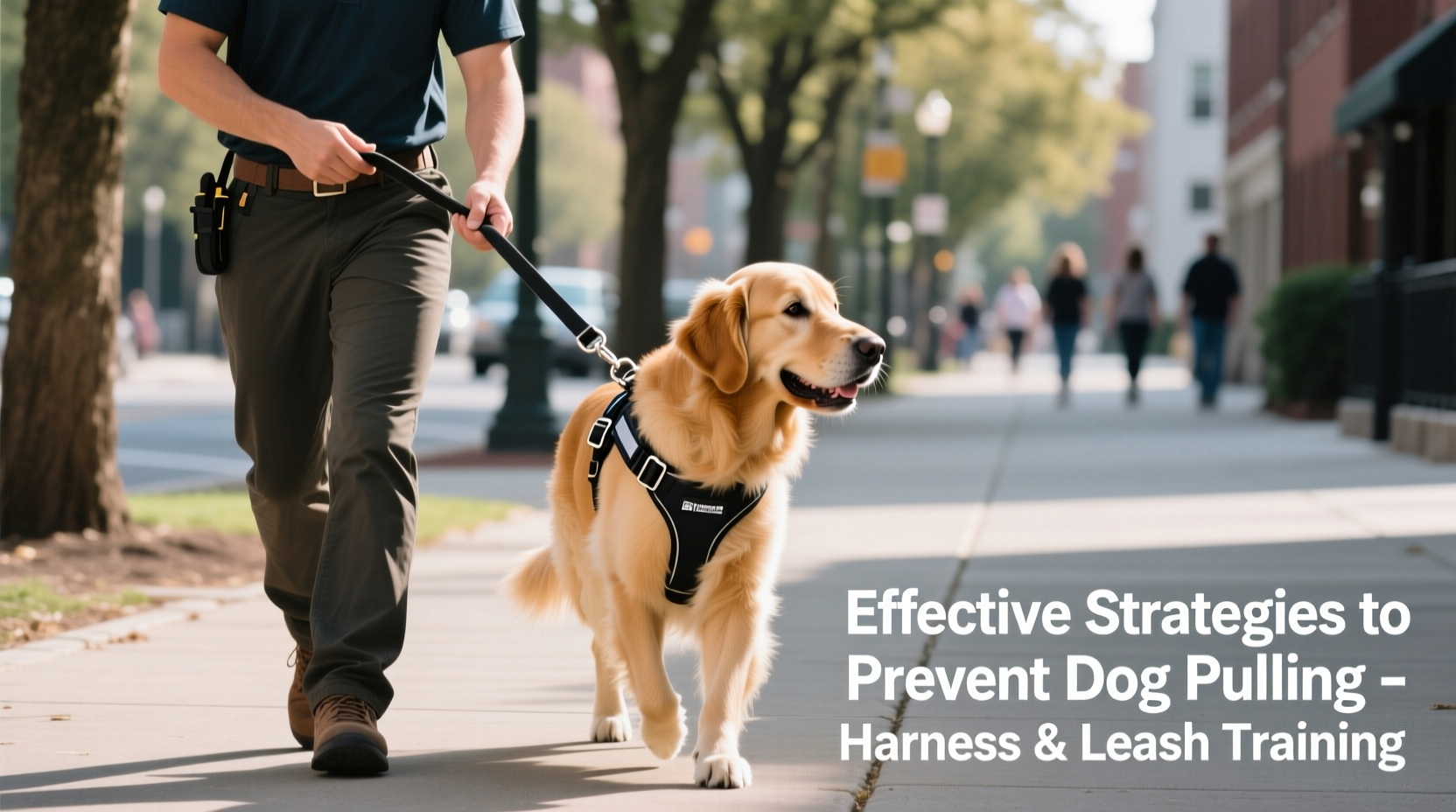
Dogs are naturally curious and driven by scent, movement, and exploration. When they sense something exciting—a squirrel, another dog, or a new smell—they surge forward instinctively. Leash pulling is rarely an act of defiance; it’s often a result of reinforcement: every time a dog pulls toward something desirable and reaches it, the behavior is rewarded. Over time, this creates a habit that becomes difficult to break without intervention.
Traditional collars can worsen the issue by triggering a reflexive opposition response—when pressure is applied to the neck, dogs instinctively pull against it. This makes front-clip harnesses and proper training tools essential components in solving the problem.
Choosing the Right Harness and Leash
Not all harnesses are created equal when it comes to preventing pulling. Some actually encourage it by allowing full forward motion, while others are specifically designed to discourage pulling through gentle steering and pressure distribution.
| Harness Type | Effect on Pulling | Best For |
|---|---|---|
| Back-clip harness | Neutral to negative – allows forward momentum | Calm dogs who don’t pull |
| Front-clip harness (e.g., Freedom Harness, Easy Walk) | Highly effective – redirects dog when pulling | Dogs that pull strongly |
| No-pull dual-clip harness | Very effective – offers front and back options | Training transitions or multi-environment use |
| Standard collar | Potentially harmful – can cause tracheal damage | ID tags only; not for walking |
The front-clip harness works by redirecting the dog’s shoulders when they pull, turning them gently back toward the handler. This reduces strain on both the dog and owner and teaches the dog that pulling doesn’t get them where they want to go.
Pair your harness with a standard 4–6 foot leash made of durable material. Avoid retractable leashes—they give dogs too much freedom and reinforce pulling by allowing them to surge ahead.
Step-by-Step Leash Training Protocol
Changing pulling behavior requires consistency, patience, and repetition. Follow this structured approach over several weeks to see lasting results.
- Start in a low-distraction environment like your backyard or quiet driveway. Use high-value treats (small pieces of chicken or cheese) to maintain focus.
- Introduce the “loose leash” concept: Begin walking and reward your dog every few steps when the leash remains slack. If they pull, stop immediately and wait. Only move forward when the leash is loose.
- Use directional cues: Say “let’s go” or “this way” and change direction when your dog pulls. Reward them when they follow. This teaches them to stay attentive to you.
- Incorporate frequent check-ins: Encourage your dog to look at you during walks by calling their name or making a kissing sound. Reward eye contact generously.
- Gradually increase distractions: Once your dog masters loose-leash walking in calm areas, practice near sidewalks, parks, or other moderate environments.
- Maintain consistency: Everyone in the household must use the same commands and rules. Inconsistent training slows progress.
This method relies on negative punishment (removing forward motion) and positive reinforcement (treats, praise). It aligns with modern, force-free training principles endorsed by veterinary behaviorists.
Real-World Example: Transforming Max the Labrador
Max, a two-year-old Labrador Retriever, pulled so hard on walks that his owner developed shoulder pain. He would lunge at squirrels and ignore commands, making neighborhood walks stressful. His owner switched to a front-clip harness and began daily 10-minute training sessions in the driveway.
Using treats and the stop-and-go method, Max learned within three weeks that pulling stopped progress, while walking beside his owner earned rewards. By week six, he was walking calmly past distracting stimuli. His owner reported not only improved walks but also increased responsiveness at home. The key was short, focused sessions and never allowing pulling to be rewarded—even once.
“Dogs don’t pull to dominate—they pull because it works. Change the outcome, and the behavior changes.” — Dr. Sophia Yin, DVM, Applied Animal Behaviorist
Common Mistakes and How to Avoid Them
- Allowing occasional pulling: If your dog sometimes gets what they want by pulling, the behavior will persist. Consistency is critical.
- Using aversive tools like prong collars without professional guidance: These can suppress behavior but may cause fear or aggression if misused.
- Expecting instant results: Training takes time. Most dogs need 4–8 weeks of daily practice to develop new habits.
- Overlooking fitness and mental stimulation: A tired dog is a well-behaved dog. Ensure your dog gets enough exercise and enrichment outside of walks.
- Reinforcing pulling unintentionally: Even stopping to let your dog sniff after they’ve pulled teaches them that pulling leads to rewards.
Essential Checklist for Success
- ✅ Choose a front-clip or dual-clip no-pull harness
- ✅ Use a 4–6 foot non-retractable leash
- ✅ Gather high-value treats for training
- ✅ Start training in a quiet, distraction-free area
- ✅ Practice stop-and-go technique consistently
- ✅ Reward attention and loose-leash walking frequently
- ✅ Gradually introduce distractions as skills improve
- ✅ Involve all family members in consistent training
- ✅ Be patient—allow 4–8 weeks for significant improvement
- ✅ Consider professional help if progress stalls
Frequently Asked Questions
Can I train an older dog not to pull?
Absolutely. While puppies are easier to train from the start, adult dogs can learn new behaviors at any age. The process may take longer due to established habits, but with consistency and positive reinforcement, most dogs adapt successfully.
Are no-pull harnesses safe for all dogs?
Most dogs benefit from front-clip no-pull harnesses, but some brachycephalic breeds (like Pugs or Bulldogs) or dogs with respiratory issues may find them restrictive. Always fit the harness properly—two fingers should fit between the straps and your dog’s body—and consult your vet if you have concerns.
What if my dog still pulls despite training?
If progress stalls, evaluate whether distractions are too high, rewards are insufficient, or consistency is lacking. Consider working with a certified professional dog trainer (CPDT-KA) or veterinary behaviorist to troubleshoot specific challenges.
Take Control of Your Walks—One Step at a Time
Preventing dog pulling isn’t about dominance or control—it’s about communication and cooperation. With the right tools and training mindset, you can teach your dog that walking calmly by your side is more rewarding than charging ahead. The journey requires patience, but the payoff is immense: safer, more enjoyable walks and a stronger bond with your dog.




 浙公网安备
33010002000092号
浙公网安备
33010002000092号 浙B2-20120091-4
Comments
No comments yet. Why don't you start the discussion?