
Greening out—experiencing nausea, dizziness, anxiety, or even vomiting after consuming too much cannabis—is a common but avoidable experience. While not life-threatening, it can be deeply uncomfortable and deter people from future use. The key to enjoying cannabis safely lies in understanding your limits, choosing the right products, and preparing both mentally and physically. With thoughtful habits and informed decisions, you can significantly reduce the risk of greening out and enhance your overall experience.
Understand What Causes Greening Out
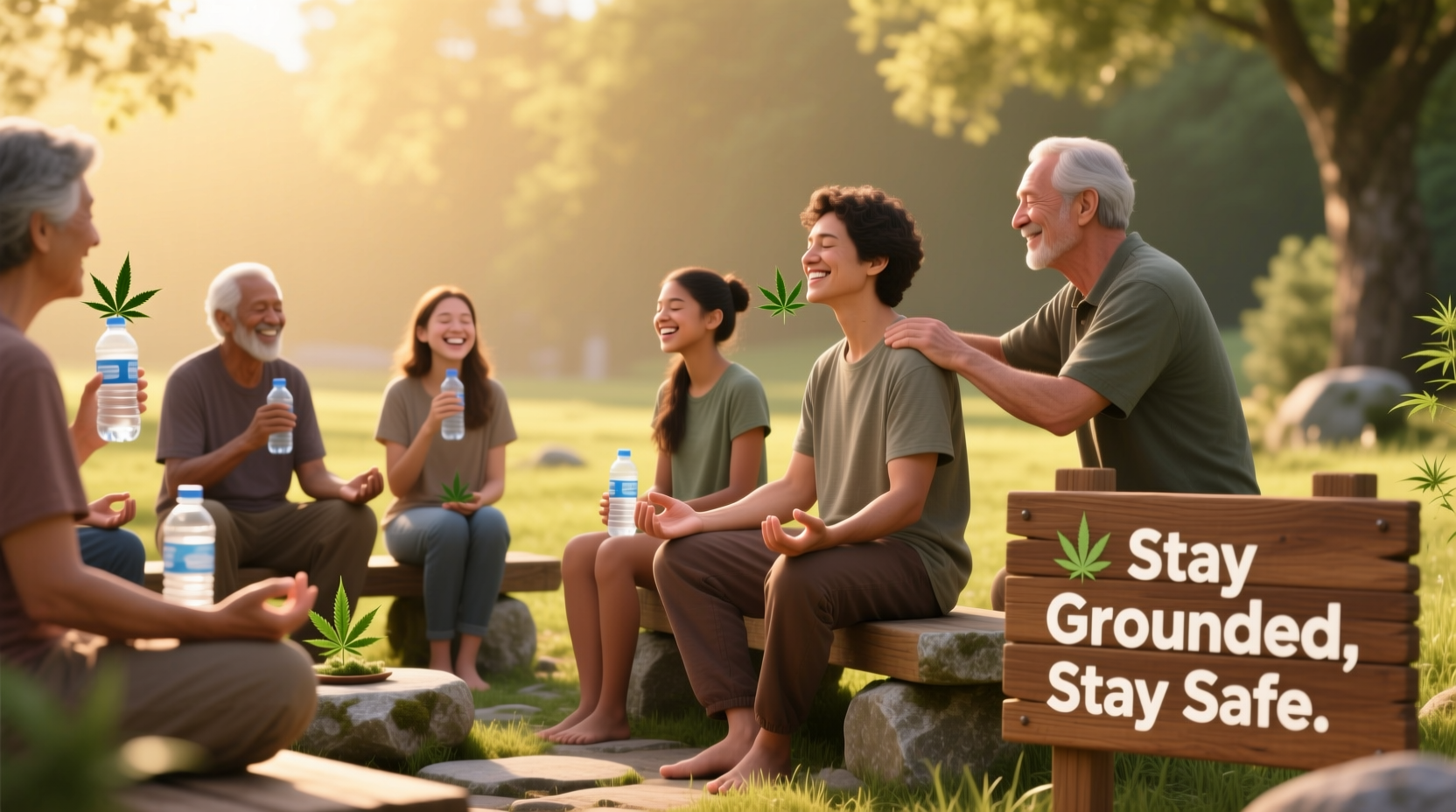
Greening out occurs when THC—the primary psychoactive compound in cannabis—overwhelms the endocannabinoid system. This imbalance can lead to acute physical and psychological symptoms such as rapid heart rate, sweating, confusion, paranoia, nausea, and lightheadedness. These effects are more likely with high-potency products, especially edibles, which take longer to kick in and are harder to dose accurately.
The delayed onset of edibles often leads users to consume more, thinking the first dose wasn’t strong enough. By the time the full effects hit, they’ve already taken too much. Inhalation methods like vaping or smoking deliver cannabinoids faster, allowing users to titrate their dose more effectively. However, inexperienced users or those under emotional stress remain vulnerable regardless of method.
“Many patients come in panicked after over-consuming edibles. The most important thing is reassurance and pacing—start low, go slow.” — Dr. Rachel Nguyen, Cannabis Medicine Specialist
Step-by-Step Guide to Safer Consumption
Preventing greening out isn’t about avoiding cannabis altogether—it’s about building a mindful approach. Follow this timeline to minimize risks and maximize enjoyment:
- Prepare Your Environment (30 minutes before): Choose a calm, familiar space. Avoid loud music, crowded rooms, or stressful settings. Have water, snacks, and calming activities ready.
- Check Your Mental State: If you’re anxious, tired, or emotionally overwhelmed, delay consumption. Cannabis amplifies existing moods.
- Dose Strategically (Start Low): For edibles, begin with 2.5–5 mg of THC. For inhalation, take one small puff and wait at least 10–15 minutes before considering another.
- Wait Patiently: Edibles can take 60–90 minutes to fully activate. Do not re-dose during this window.
- Monitor Effects: Pay attention to how your body feels. If you start feeling uneasy, stop consuming and shift focus to grounding techniques.
- Have a Recovery Plan: Keep black peppercorns, lemon drops, or CBD oil nearby—some users report these help mitigate intense highs.
Do’s and Don’ts of Cannabis Use
| Do | Don’t |
|---|---|
| Start with low doses, especially with edibles | Take multiple hits or eat half an edible “just to be sure” |
| Use in a safe, comfortable environment | Consume in unfamiliar or high-pressure social settings |
| Stay hydrated and have light snacks available | Mix cannabis heavily with alcohol or other substances |
| Keep CBD on hand to balance THC effects | Drive or operate machinery while impaired |
| Talk to a trusted friend if you feel overwhelmed | Isolate yourself when panicking |
Real Example: Learning the Hard Way
Jamal, a 24-year-old college student, attended his first cannabis-friendly social event. Excited and slightly nervous, he accepted a gummy from a friend, not knowing it contained 25 mg of THC. After 45 minutes with no noticeable effect, he ate another—doubling his dose. Within 20 minutes, he began sweating, felt nauseous, and became convinced something was seriously wrong with his heart.
He retreated to a quiet room, where a more experienced friend stayed with him, offered water, and reminded him he was safe. Over the next two hours, his symptoms subsided. The experience shook him, but it also taught him critical lessons: always ask about dosage, never double up on edibles, and know that the discomfort will pass.
Today, Jamal uses a vaporizer with measured THC levels and caps his intake at 10 mg per session. He emphasizes that education and honesty about experiences like his can prevent others from going through the same fear.
Essential Prevention Checklist
Before consuming cannabis, run through this checklist to ensure a safer experience:
- ✅ I know the THC potency of what I’m consuming
- ✅ I’ve eaten a light meal within the past 1–2 hours
- ✅ I’m in a calm, familiar environment
- ✅ I’m not mixing cannabis with alcohol or stimulants
- ✅ I’m starting with a low dose (≤5 mg THC for edibles, 1 puff for inhalation)
- ✅ I have water, snacks, and a sober or experienced person nearby
- ✅ I’m in a stable mental and emotional state
- ✅ I’ve waited at least 90 minutes before considering another dose
Frequently Asked Questions
Can you die from greening out?
No. While greening out can cause severe anxiety, rapid heartbeat, and nausea, there are no recorded cases of death from cannabis overdose alone. The symptoms are distressing but temporary and subside as the THC metabolizes.
What should I do if someone is greened out?
Stay calm and reassure them they’re safe. Move them to a quiet space, offer water, and encourage slow breathing. Stay present until symptoms ease. Avoid giving more cannabis or stimulants. If symptoms worsen or include chest pain and difficulty breathing, seek medical help.
Does CBD help counteract a bad high?
Yes. CBD has been shown to modulate some of THC’s psychoactive effects. Taking 10–20 mg of CBD can help reduce anxiety and mental fog. Many users keep CBD tinctures or capsules on hand specifically for this purpose.
Conclusion: Enjoy Responsibly, Stay in Control
Greening out doesn’t have to be a rite of passage. With awareness, preparation, and respect for dosage, cannabis can be a source of relaxation, creativity, and relief. The most experienced users aren’t those who consume the most—they’re the ones who listen to their bodies and prioritize well-being over intensity.
Whether you're new to cannabis or revisiting it after a break, adopting these strategies empowers you to have positive, controlled experiences. Share what you’ve learned with friends, advocate for honest conversations about consumption, and remember: the best high is one you can truly enjoy.




 浙公网安备
33010002000092号
浙公网安备
33010002000092号 浙B2-20120091-4
Comments
No comments yet. Why don't you start the discussion?