
For many dog owners, a harness is the preferred choice over a collar for walking and training. It offers better control, reduces strain on the neck, and is often safer for dogs prone to pulling. However, one common issue that can turn an enjoyable walk into a painful experience is harness chafing. When a harness rubs against your dog’s skin—especially in sensitive areas like the armpits, chest, or behind the front legs—it can cause redness, sores, and even infections if left unaddressed. The good news is that with the right approach, chafing is entirely preventable. By focusing on fit, material, usage habits, and proactive care, you can ensure your dog stays comfortable, protected, and eager to explore.
Choose the Right Harness Design and Fit
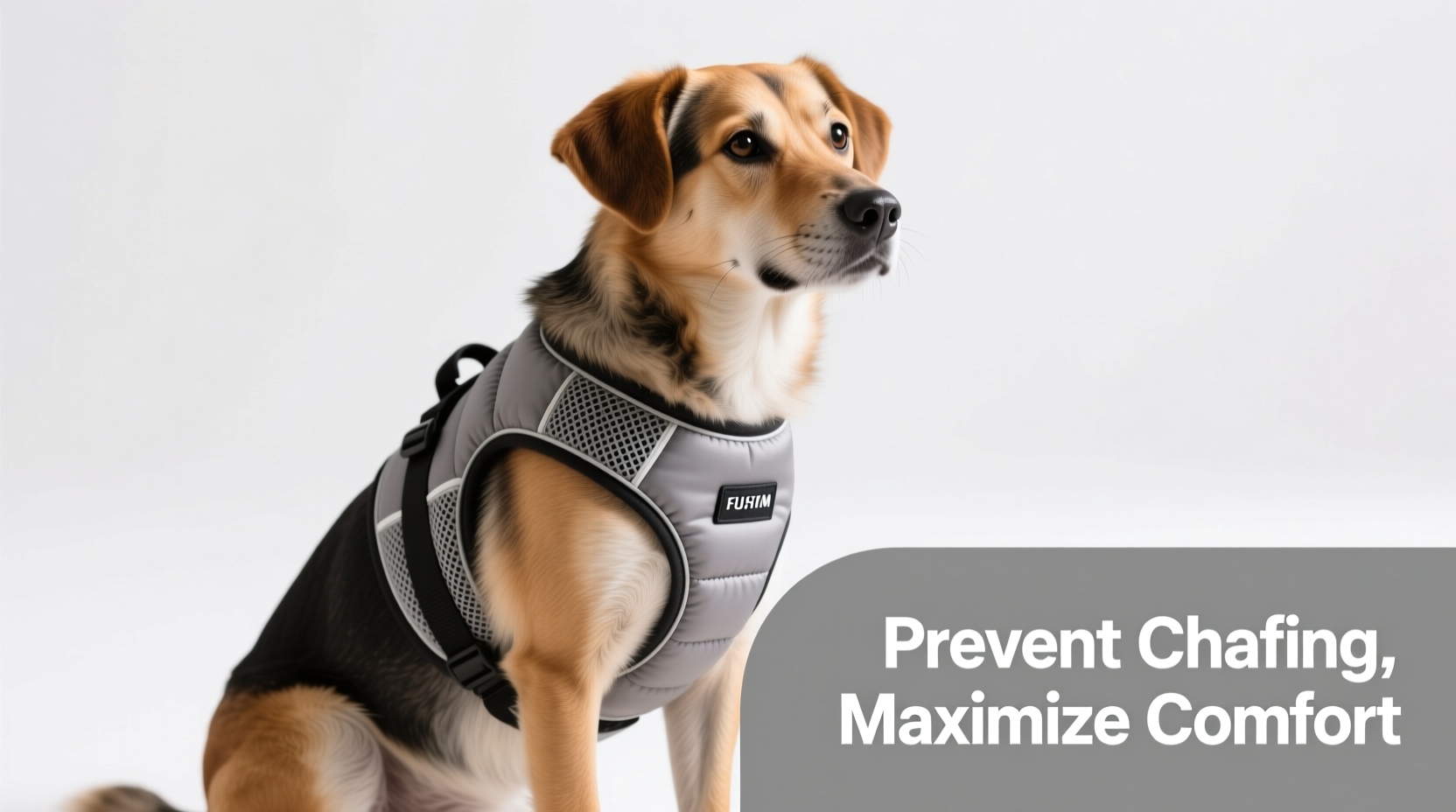
The foundation of preventing chafing begins with selecting the correct harness. Not all harnesses are created equal, and a poorly designed or ill-fitting model is the most common cause of irritation. Look for harnesses that distribute pressure evenly across the body rather than concentrating it in one area. Front-clip harnesses, for example, discourage pulling by redirecting your dog’s movement, but they must be properly adjusted to avoid rubbing under the arms.
A well-fitted harness should allow two fingers to slide comfortably between the straps and your dog’s body. Too tight, and it will pinch; too loose, and it will shift and rub with every step. Measure your dog’s girth (behind the front legs) and consult sizing charts before purchasing. Remember: weight alone is not enough to determine the correct size—body shape varies significantly between breeds.
Material Matters: Prioritize Breathability and Softness
The fabric of the harness plays a crucial role in comfort and skin protection. Nylon and polyester are durable but can trap moisture and heat, increasing friction and the risk of chafing—especially during long walks or in humid weather. Consider harnesses made from neoprene, mesh, or padded cotton blends, which offer cushioning and improved airflow.
Seams and stitching should be flat and smooth. Raised or bulky seams act like sandpaper against your dog’s skin over time. Some high-end harnesses use seamless construction or laser-cut edges to eliminate this problem entirely. Reflective elements and buckles should also be positioned away from high-friction zones.
| Material | Pros | Cons |
|---|---|---|
| Nylon | Durable, water-resistant, affordable | Can cause friction, retains heat |
| MESH | Breathable, lightweight, flexible | Less durable on rough terrain |
| Neoprene | Cushioned, soft, moisture-wicking | Heavier, may retain odor if not cleaned |
| Cotton-blend | Soft, hypoallergenic, breathable | Not ideal for wet conditions |
Establish a Proper Wear-and-Care Routine
Even the best harness requires maintenance. Sweat, dirt, and environmental debris accumulate in the padding and straps, creating a breeding ground for bacteria and increasing skin sensitivity. Clean your dog’s harness at least once every two weeks—or more frequently after muddy hikes or beach trips.
Hand wash with mild pet-safe soap and lukewarm water. Avoid harsh detergents or bleach, which can degrade fabric integrity and leave irritating residues. Let the harness air dry completely before reuse; never put it in the dryer, as heat can warp plastic components and shrink fabric.
Inspect the harness regularly for signs of wear: frayed straps, broken buckles, or worn padding. Replace it if any component is compromised—even minor damage can alter fit and increase friction.
“Just like shoes for humans, a dog’s harness needs to fit correctly and be replaced when worn out. Chafing is often a sign of equipment fatigue, not just poor fit.” — Dr. Laura Simmons, DVM, Canine Rehabilitation Specialist
Step-by-Step Guide to Preventing Chafing During Use
Prevention doesn’t end at purchase. How you use the harness matters just as much. Follow this sequence to minimize risk:
- Fit Check Before Every Walk: Ensure all straps are snug but not tight. Recheck after the first few minutes of walking, as some harnesses shift during initial movement.
- Limit Initial Wear Time: When introducing a new harness, start with short 10–15 minute walks. Gradually increase duration over several days to monitor for irritation.
- Monitor Skin After Walks: Gently lift the straps and inspect the armpits, chest, and behind the front legs for redness or swelling.
- Apply Pet-Safe Barrier Cream (if needed): For dogs with sensitive skin or prior chafing history, use a vet-approved balm on high-friction zones before walks.
- Rinse After Exposure: If your dog swims or gets muddy, remove the harness and rinse their body to prevent grit from grinding against the skin.
Real-Life Example: Solving Chafing in an Active Border Collie
Sarah adopted a high-energy Border Collie named Finn who loved hiking but developed recurring sores under his arms after long trails. She assumed he was just scratching, but a vet visit revealed chronic chafing from his nylon harness. Despite being the “correct” size, the harness shifted during uphill climbs, creating friction in the armpit area.
She switched to a custom-fit mesh harness with padded neoprene lining and began pre-applying a thin layer of veterinary-recommended protective balm on longer outings. Within two weeks, Finn’s skin healed, and he completed a 5-mile trek without discomfort. Sarah now checks his harness fit weekly and cleans it after every adventure.
Checklist: Prevent Harness Chafing in 7 Steps
- ✅ Measure your dog accurately before buying a harness
- ✅ Choose soft, breathable materials like mesh or neoprene
- ✅ Ensure the harness lies flat without twisting or bunching
- ✅ Check fit before and during the first few uses
- ✅ Wash the harness regularly with gentle soap
- ✅ Inspect for wear and replace damaged parts immediately
- ✅ Monitor your dog’s skin daily when using a new harness
Frequently Asked Questions
How do I know if my dog’s harness is causing chafing?
Look for signs such as redness, hair loss, scabs, or excessive licking of the armpit or chest area after walks. Your dog may also show reluctance to wear the harness or whine when it’s put on.
Can I use human anti-chafing products on my dog?
No. Many human balms contain ingredients like zinc oxide or essential oils that are toxic if ingested. Always use veterinarian-approved, pet-safe barrier creams designed for canine skin.
Should I stop using a harness if my dog develops chafing?
Not necessarily. First, identify the cause—poor fit, dirty harness, or unsuitable material—and address it. In most cases, switching to a better-fitting or softer harness resolves the issue without needing to return to a collar, which may pose other risks.
Final Thoughts: Comfort Is Non-Negotiable
Your dog’s comfort isn’t a luxury—it’s essential to their physical health and emotional well-being. A harness should empower your pet to move freely and safely, not cause pain with every step. By investing time in proper selection, fitting, and maintenance, you protect your dog from unnecessary discomfort and build trust in their gear. Whether you’re strolling through the neighborhood or tackling rugged trails, a chafe-free experience ensures your dog stays happy, healthy, and excited for the next adventure.




 浙公网安备
33010002000092号
浙公网安备
33010002000092号 浙B2-20120091-4
Comments
No comments yet. Why don't you start the discussion?