
The iPhone 11 remains a popular choice for users who value performance, camera quality, and reliability. However, like any premium device, it’s vulnerable to everyday wear—especially surface scratches on its glass back and aluminum frame. While Apple designed the iPhone 11 with durable materials, daily use exposes it to keys, coins, rough surfaces, and accidental drops. The most effective first line of defense? Choosing and using the right case. More than just a fashion statement, the correct case can dramatically reduce or even eliminate scratches, preserving both appearance and resale value.
Understanding the iPhone 11’s Vulnerability
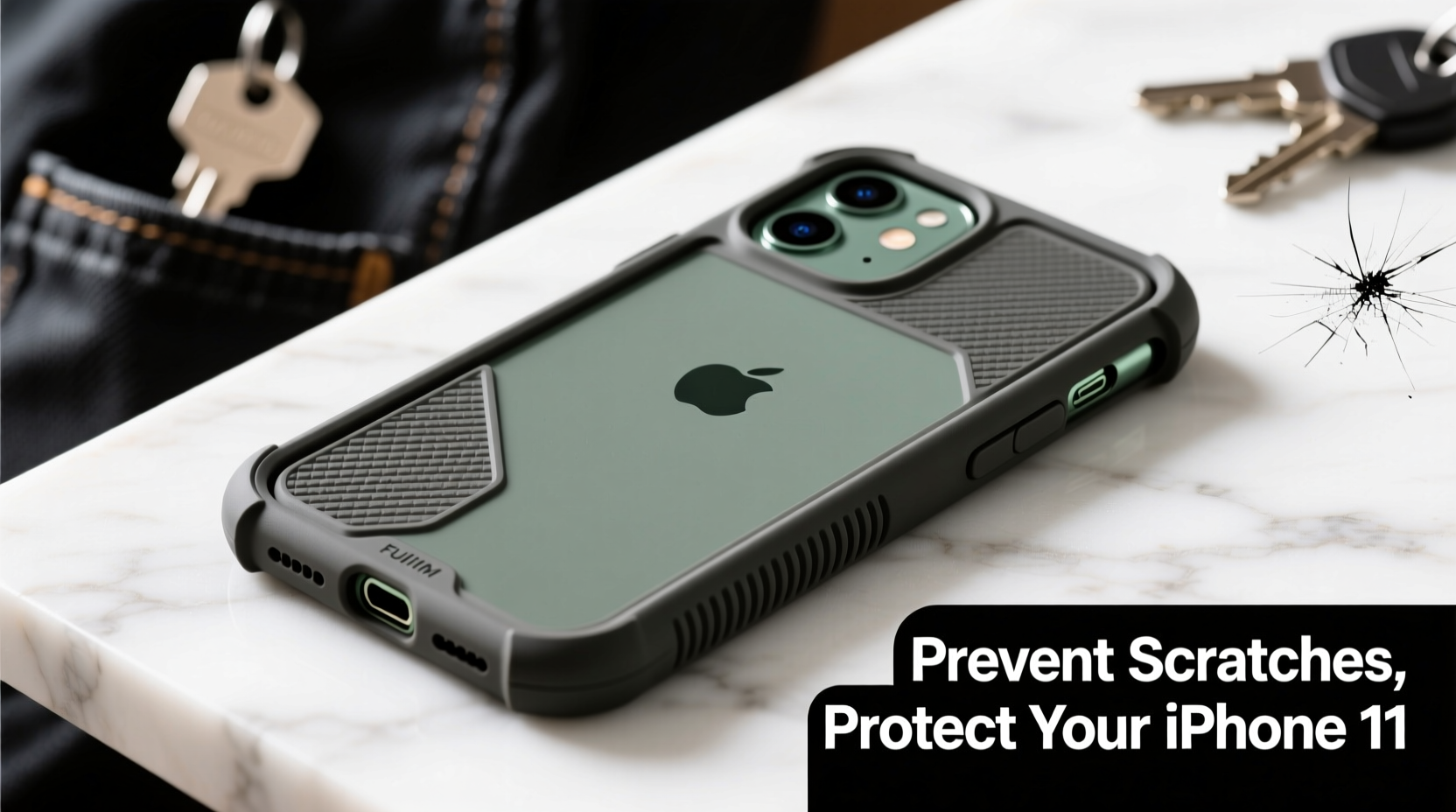
The iPhone 11 features a glass back panel to support wireless charging, surrounded by an aerospace-grade aluminum frame. While elegant, this combination is prone to micro-scratches from contact with harder materials like denim rivets, metal surfaces, or even coarse fabrics. Over time, these minor abrasions accumulate, dulling the finish and making the phone look worn prematurely.
Unlike older models with plastic or polycarbonate bodies, the iPhone 11’s glass back cannot be polished out easily. Once scratched, the damage is often permanent without costly refinishing. This makes proactive protection essential—not optional.
“Scratch resistance isn’t just about aesthetics; it affects long-term durability and resale value. A well-protected iPhone lasts longer in both form and function.” — David Lin, Mobile Device Materials Analyst
Choosing the Right Case: Features That Matter
Not all cases offer equal protection. Many slim, stylish options prioritize looks over function, leaving edges exposed or offering minimal lip coverage. To effectively prevent scratches, focus on these key design elements:
- Elevated bezels: A case with raised edges around the screen and camera lens prevents direct contact with flat surfaces when placed face-down.
- Full-edge coverage: Opt for cases that extend slightly above the phone’s sides to shield the frame from table scuffs.
- Soft interior lining: Cases with microfiber, silicone, or TPU inner layers reduce internal friction and protect against micro-abrasions.
- Rugged yet slim profile: Balance protection and usability. Overly bulky cases may deter daily use, defeating the purpose.
Case Material Comparison: What Works Best?
| Material | Scratch Protection | Durability | Pros | Cons |
|---|---|---|---|---|
| Silicone | High | Moderate | Soft grip, excellent shock absorption, resists minor scrapes | Can attract lint, may discolor over time |
| TPU (Thermoplastic Polyurethane) | High | High | Flexible, long-lasting, good grip, affordable | May yellow with UV exposure |
| Hard Plastic (Polycarbonate) | Moderate | High | Lightweight, maintains shape, sleek look | Less shock absorption, rigid edges can chip |
| Hybrid (TPU + Polycarbonate) | Very High | Very High | Combines flexibility and rigidity, best overall protection | Slightly bulkier, higher price point |
| Leather | Moderate | Moderate | Premium feel, ages gracefully | Requires maintenance, less drop protection |
For maximum scratch prevention, hybrid cases are widely recommended by tech reviewers and engineers alike. They combine a soft TPU inner layer to cushion the phone and absorb micro-movements, with a hard outer shell that resists surface abrasions.
Step-by-Step Guide to Maximizing Scratch Protection
Selecting the right case is only part of the solution. How you use and maintain it matters just as much. Follow this practical timeline to ensure lasting protection:
- Week 1: Select and install your case immediately
Apply the case as soon as you unbox your iPhone. Even brief exposure during setup can lead to initial micro-scratches. - Day 7: Inspect fit and alignment
Check that buttons are responsive, ports are clear, and there’s no gap between the case and phone edges. Poor fit allows debris to enter and cause abrasions. - Monthly: Clean both phone and case
Remove the phone every 30 days. Wipe down the back with a microfiber cloth and clean the inside of the case with mild soapy water to remove dust and grit. - Every 3–6 months: Evaluate wear
Look for signs of case degradation—cracks, warping, or yellowing. Replace if structural integrity is compromised. - Ongoing: Avoid high-risk environments
Keep the phone out of pockets with keys or coins. Use a dedicated compartment in your bag to minimize contact with sharp objects.
Real-World Example: One Year Without a Single Scratch
Jamie, a freelance photographer in Portland, uses her iPhone 11 daily for client communication, photo editing, and social media. She carries it in her work bag alongside lenses, cables, and tools—all potential scratch hazards. After noticing fine lines on her previous phone within weeks, she adopted a strict protection routine:
- Purchased a hybrid OtterBox Defender case with built-in screen protector.
- Added a tempered glass back protector for extra defense.
- Stores the phone in a padded sleeve within her larger bag.
- Cleans the case monthly and inspects for wear.
After 14 months of heavy use, her iPhone 11 shows no visible scratches. “It still looks brand new,” she says. “The case paid for itself in peace of mind and resale value.”
Essential Tips Beyond the Case
A case alone isn’t always enough. Combine it with these habits to create a comprehensive scratch-prevention strategy:
- Use a screen protector with edge coverage—it reduces the chance of lateral scratches creeping under the case.
- Avoid placing the phone face-down on rough surfaces like concrete, gravel, or textured tables.
- Carry in a dedicated pouch when not in use, especially in bags with other items.
- Never clean the phone while it’s in the case—dirt trapped inside can act like sandpaper during wiping.
Frequently Asked Questions
Do all iPhone 11 cases prevent scratches equally?
No. Thin, minimalist cases may offer style but lack sufficient edge protection. Look for cases with full coverage, raised lips, and soft interiors to truly prevent scratches.
Can I use my iPhone 11 without a case if I’m careful?
Possibly, but caution isn’t foolproof. Even gentle handling can result in incidental contact with abrasive materials. A case is the most reliable way to prevent micro-scratches over time.
Will a phone skin prevent scratches?
Skins offer limited protection. They can guard against light scuffs but don’t cover edges and may peel or trap air bubbles. For serious scratch prevention, pair a skin with a protective case—or rely on the case alone.
Final Checklist: Are You Fully Protected?
- ✅ Is your case made of TPU or hybrid material?
- ✅ Do the edges of the case extend beyond the phone’s screen and back?
- ✅ Is the interior soft-lined to prevent internal abrasion?
- ✅ Have you cleaned the phone and case recently?
- ✅ Are you avoiding storage with keys, coins, or sharp objects?
- ✅ Have you considered a back protector for added defense?
Take Action Today—Preserve Your iPhone’s Condition
Your iPhone 11 is an investment. Whether you plan to keep it for years or trade it in later, maintaining its physical condition directly impacts performance perception and value. Scratches aren’t inevitable—they’re preventable. By choosing the right case and adopting simple, consistent habits, you can keep your device looking pristine long after purchase.




 浙公网安备
33010002000092号
浙公网安备
33010002000092号 浙B2-20120091-4
Comments
No comments yet. Why don't you start the discussion?