
Athletic t-shirts are designed to wick sweat and support performance, but many wearers face a persistent problem: lingering odor. Even after washing, some synthetic performance shirts retain a sour or musty smell that undermines comfort and confidence. This issue stems from bacteria embedding into moisture-wicking fibers, especially those made from polyester and nylon. The good news is that with the right knowledge and habits, you can maintain truly fresh athletic wear—long after intense workouts. This guide reveals science-backed methods, practical routines, and expert insights to eliminate and prevent odors at the source.
Understanding Why Athletic Shirts Smell
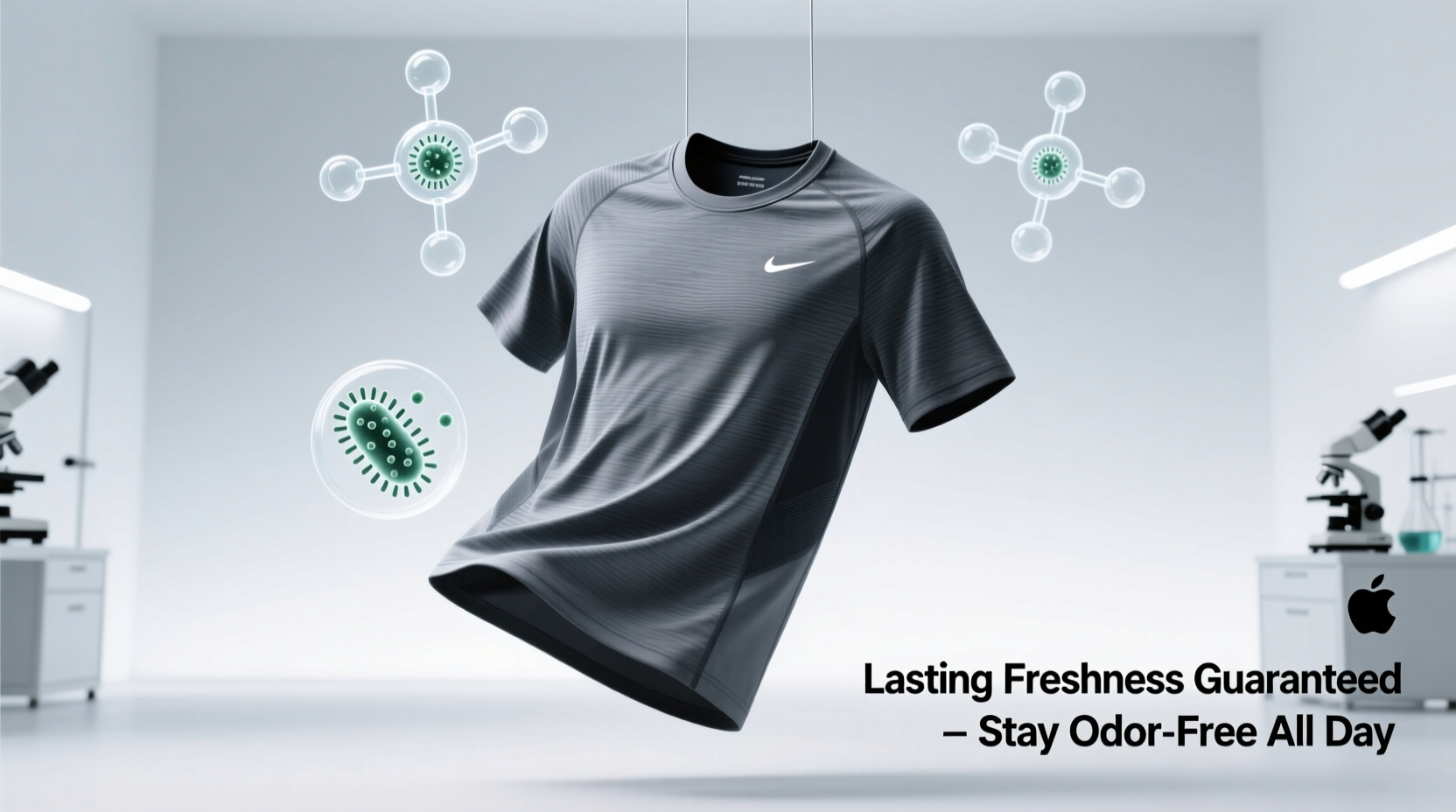
Unlike cotton, performance fabrics are engineered to repel water rather than absorb it. While this keeps you dry during exercise, it also means sweat doesn’t fully rinse away from the fibers. Sweat itself is mostly odorless, but when combined with skin bacteria and trapped in synthetic materials, it creates an ideal environment for microbial growth. These microbes break down sweat components into volatile organic compounds (VOCs), which produce the familiar gym-bag stench.
Polyester, commonly used in sportswear, has hydrophobic properties that resist water-based cleaning. Over time, repeated exposure to sweat without thorough cleansing leads to biofilm formation—a slimy layer of bacteria colonies embedded in the fabric. Regular laundry detergent often fails to penetrate this layer, leaving behind residual odor even after washing.
“Odor in athletic clothing isn't just about sweat—it's about bacterial colonization in synthetic fibers. Standard detergents don’t address this effectively.” — Dr. Lena Patel, Microbiologist & Textile Researcher, University of Colorado
Washing Techniques That Actually Work
Effective odor removal starts with proper laundering. Most people wash their workout clothes incorrectly, using too little detergent, cold water only, or skipping pre-treatment. To disrupt bacterial buildup, follow these optimized steps:
- Turn shirts inside out before washing to expose sweat-stained inner surfaces directly to water and detergent.
- Use warm water (30–40°C / 86–104°F), as higher temperatures help dissolve oils and kill more bacteria than cold cycles.
- Add one cup of white vinegar to the rinse cycle. Vinegar lowers pH, helping to loosen odor-causing residues and neutralize alkaline compounds left by deodorants and sweat.
- Choose a sports-specific detergent containing enzymes like protease and lipase, which break down protein-based sweat and sebum.
- Avoid fabric softeners, which coat fibers and reduce breathability, trapping moisture and bacteria over time.
Do’s and Don’ts of Athletic Wear Care
| Do’s | Don’ts |
|---|---|
| Wash immediately after use to prevent bacterial incubation | Leave sweaty clothes in your gym bag overnight |
| Use enzyme-based or technical sport detergents | Rely solely on regular laundry detergent |
| Air-dry shirts completely in direct sunlight when possible (UV light kills bacteria) | Tumble dry on high heat frequently (can degrade elastic fibers) |
| Store clean, dry garments in ventilated areas | Compress damp clothes into tight drawers or sealed containers |
| Replace shirts every 6–12 months of regular use | Continue wearing shirts that still smell after deep cleaning |
Choosing the Right Fabric: Prevention Starts at Purchase
The foundation of long-term freshness begins with fabric selection. Not all performance materials are equal when it comes to odor resistance. Advances in textile engineering have introduced antimicrobial treatments and natural fiber blends that significantly reduce bacterial retention.
- Merino wool blends: Naturally antibacterial, breathable, and temperature-regulating. Though less common in mainstream athletic lines, merino-infused tees resist odor far longer than synthetics.
- Recycled polyester with silver-ion treatment: Silver nanoparticles inhibit microbial growth. Brands like Under Armour and Adidas offer lines treated with Polygiene® or HeiQ Smart Temp.
- Plant-based synthetics (e.g., TENCEL™ or ECONYL®): Offer better moisture management and biodegradability while resisting odor better than conventional polyester.
When shopping, check labels for odor-control technologies or natural fiber content. A slightly higher upfront cost pays off in longevity and reduced laundering frequency.
Mini Case Study: How a Marathon Runner Solved Persistent Odor
Jamal, a competitive runner training six days a week, struggled with his favorite running shirts developing a sharp, sour smell within weeks—even after washing. Frustrated, he switched to a new routine: rinsing shirts immediately post-run with a vinegar-water solution, using HEX Performance Detergent, and air-drying them outside. After three months, his shirts remained odor-free through multiple wears. He also began rotating four shirts instead of relying on two, allowing full drying between uses. His simple system cut down both odor and replacement costs significantly.
Step-by-Step Guide to Long-Term Freshness
Maintaining freshness requires consistency. Follow this weekly maintenance plan to keep athletic t-shirts smelling clean:
- Post-Workout (Within 1 Hour): Rinse shirt under cold water or soak briefly in a basin with 1 tbsp baking soda to neutralize initial bacteria.
- Laundry Day: Wash inside-out with sports detergent and ½ cup white vinegar in the rinse cycle. Use warm water and avoid mixing with heavy towels that create friction.
- Drying: Hang outdoors in sunlight if possible. UV radiation naturally disinfects fabric. If indoors, ensure full airflow and avoid folding while damp.
- Storage: Keep in an open drawer or on a shelf with space around each item. Avoid plastic bins or vacuum-sealed bags.
- Monthly Deep Clean: Soak in oxygen bleach solution (not chlorine) for 1–2 hours to break down built-up organic residue.
Frequently Asked Questions
Can I use bleach to remove odor from my workout shirts?
No, chlorine bleach degrades synthetic fibers and weakens elasticity. Instead, use oxygen-based bleach (sodium percarbonate), which releases hydrogen peroxide in water and safely breaks down organic matter without damaging fabric.
Why do my shirts still smell after washing with detergent?
Standard detergents often leave behind residues and fail to penetrate biofilm. Switch to a sports-specific formula with enzymatic action, and always include vinegar or a dedicated odor remover like Sport Suds or Gear Aid Revivex.
Is it safe to put athletic shirts in the dryer?
Occasional low-heat tumble drying is acceptable, but frequent high heat accelerates fiber breakdown and increases odor retention. Air-drying preserves fabric integrity and leverages UV sanitation when done outdoors.
Conclusion: Build Habits for Lasting Freshness
Preventing odor in athletic t-shirts isn’t about one perfect wash—it’s about building a sustainable system grounded in hygiene, material awareness, and proactive care. From choosing odor-resistant fabrics to adopting smarter washing and drying practices, each step compounds toward long-term freshness. You don’t need expensive products or complicated rituals; just consistent, informed habits. Start today by auditing your current routine, replacing ineffective detergents, and giving your gear the care it deserves. Your future self—and your nose—will thank you.




 浙公网安备
33010002000092号
浙公网安备
33010002000092号 浙B2-20120091-4
Comments
No comments yet. Why don't you start the discussion?