
Cat spraying is a territorial behavior, not a hygiene issue. When stray or unneutered cats mark their territory around your home, the strong ammonia-like odor can linger for days and become a persistent nuisance. While chemical repellents are widely available, many homeowners prefer natural, humane solutions that deter cats without causing harm. This guide outlines proven, eco-friendly methods to discourage stray cats from spraying near your property—methods grounded in animal behavior science and real-world effectiveness.
Understanding Why Cats Spray
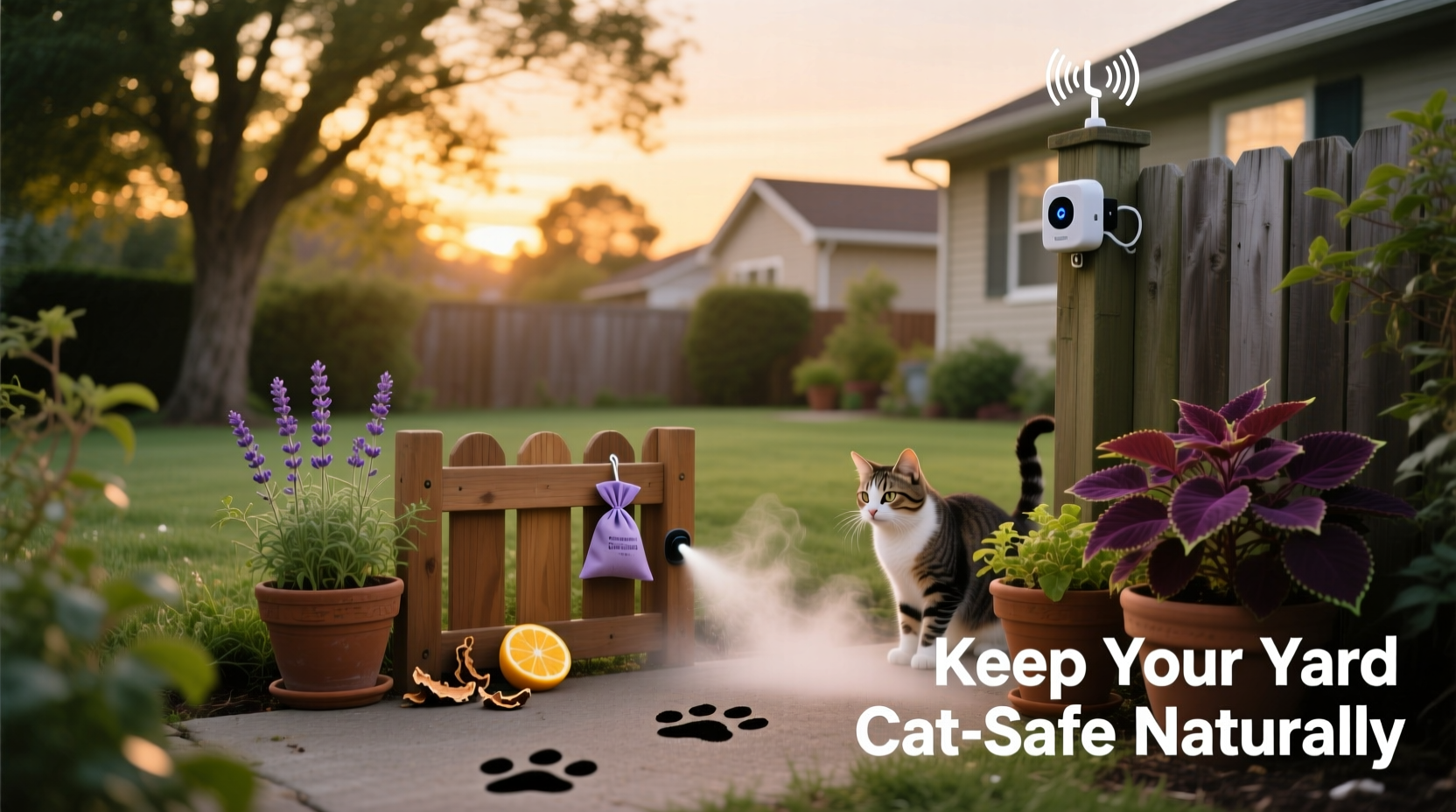
Spraying is a form of scent marking used by cats to communicate with other felines. Stray or outdoor cats often spray around homes, fences, and gardens to establish dominance, signal mating availability, or respond to perceived threats. Unneutered males are especially prone to this behavior, but females and even neutered cats may spray under stress or when detecting unfamiliar scents.
The key to prevention lies in disrupting the cat’s sense of security and removing incentives to return. Unlike indoor accidents, which may stem from litter box issues, outdoor spraying is deliberate and territorial. Therefore, strategies must focus on environmental modification rather than punishment.
“Cats rely heavily on olfactory cues. If you eliminate the scent markers and make an area feel unsafe or uninviting, they’ll seek another territory.” — Dr. Laura Bennett, Feline Behavior Specialist
Natural Deterrents That Work
Several household and garden-safe substances naturally repel cats due to their strong scents or textures. These deterrents are non-toxic, cost-effective, and easy to apply.
- Citrus peels: Cats dislike the smell of citrus. Scatter lemon, orange, or grapefruit peels around entry points, flower beds, or along fence lines.
- Vinegar solution: Mix equal parts white vinegar and water in a spray bottle. Apply to walls, railings, or spots where spraying occurs. Reapply after rain.
- Mint or eucalyptus oil: Soak cotton balls in a few drops of essential oil and place them in areas frequented by cats. Refresh every few days.
- Coffee grounds: Used coffee grounds not only repel cats but also enrich soil. Sprinkle them around garden borders.
- Lavender plants: While pleasant to humans, lavender's scent deters cats. Plant it strategically near doors or patios.
Step-by-Step Guide to Eliminate and Prevent Spraying
Effective prevention requires a consistent, multi-phase approach. Follow this timeline to reclaim your outdoor space.
- Week 1: Identify hotspots
Walk around your property and note areas with visible urine marks or strong odors. Use a blacklight at night if necessary—cat urine fluoresces under UV light. - Week 2: Clean and neutralize
Use an enzyme-based cleaner (like Nature’s Miracle) to break down uric acid crystals. Avoid ammonia-based cleaners—they mimic cat urine and attract more spraying. - Week 3: Deploy physical barriers
Install motion-activated sprinklers, place chicken wire over garden beds, or use spiky mats near doorways. Cats avoid uncomfortable surfaces. - Week 4: Introduce natural repellents
Apply vinegar sprays, citrus peels, or essential oils in targeted zones. Monitor for new marks. - Ongoing: Maintain consistency
Reapply deterrents weekly and reevaluate every month. Persistence is critical—cats may test boundaries repeatedly.
Do’s and Don’ts: What Actually Works
| Action | Recommended? | Reason |
|---|---|---|
| Use citrus peels outdoors | ✅ Yes | Cats dislike citrus scent; safe and biodegradable |
| Apply ammonia-based cleaners | ❌ No | Smells like urine to cats, encourages more spraying |
| Install motion-activated sprinklers | ✅ Yes | Startles cats without harm; highly effective long-term |
| Shout at or chase cats away | ❌ No | Stress increases marking; cats return when you're gone |
| Plant lavender or rosemary | ✅ Yes | Natural barrier with dual aesthetic and functional benefit |
| Use mothballs | ❌ No | Toxic to pets, children, and wildlife; illegal in some areas |
Community Case Study: The Johnson Family Solution
The Johnsons in suburban Portland struggled with persistent cat spraying on their garage and deck for over six months. After trying commercial sprays with no lasting effect, they adopted a layered natural strategy. First, they cleaned all marked areas with an enzymatic cleaner. Then, they planted lavender along the side fence and scattered coffee grounds near the back steps. A motion-activated sprinkler was installed at the corner of the house—a known hotspot.
Within three weeks, spraying incidents dropped by 80%. By week six, no new marks appeared. The family credits the combination of scent disruption and environmental change as the turning point. “We didn’t want to hurt the cats,” said Sarah Johnson. “But we also couldn’t live with the smell. This approach respected both our needs and theirs.”
Long-Term Prevention Checklist
Sustained success requires ongoing effort. Use this checklist monthly to assess and reinforce your defenses.
- ☐ Inspect perimeter for new urine marks or paw prints
- ☐ Reapply natural sprays (vinegar, citrus, essential oils)
- ☐ Replace used coffee grounds or plant trimmings
- ☐ Test motion-activated devices for functionality
- ☐ Remove food sources (pet bowls, open compost, bird feeders)
- ☐ Secure trash bins to avoid attracting strays
- ☐ Talk to neighbors about stray cat activity in the area
Frequently Asked Questions
Will these methods harm the cats?
No. All recommended strategies are humane and designed to deter, not injure. Scents like citrus or eucalyptus are unpleasant to cats but not toxic in outdoor concentrations. Motion-activated sprinklers startle, not harm.
How long does it take to see results?
Most homeowners notice a reduction within 2–3 weeks. Complete elimination may take 6–8 weeks, depending on how established the territory is and whether the cat is neutered.
What if the spraying continues despite my efforts?
If the problem persists, consider consulting a local animal control agency or TNR organization. Chronic spraying may indicate an unneutered male cat living nearby. Community-based neutering is often the most effective long-term solution.
Final Thoughts: Coexistence Without Compromise
Preventing stray cats from spraying doesn’t require extreme measures or harmful chemicals. By understanding feline behavior and applying consistent, natural deterrents, you can protect your home environment while treating animals with compassion. The most successful outcomes come from combining scent disruption, physical barriers, and community awareness.
Start today by identifying one hotspot and applying a simple solution—whether it’s a vinegar spray or a handful of citrus peels. Small actions compound into lasting change. With patience and persistence, you can enjoy a fresh, spray-free outdoor space year-round.




 浙公网安备
33010002000092号
浙公网安备
33010002000092号 浙B2-20120091-4
Comments
No comments yet. Why don't you start the discussion?