
Cat owners often face the frustrating issue of inappropriate urination—when a cat pees outside the litter box. This behavior can damage furniture, create persistent odors, and strain the human-pet bond. While occasional accidents happen, repeated indoor urination is not normal and should never be ignored. The good news: with the right approach, this problem can be resolved permanently. Understanding the root causes—medical, environmental, or behavioral—is key to implementing effective, lasting solutions.
Rule Out Medical Issues First
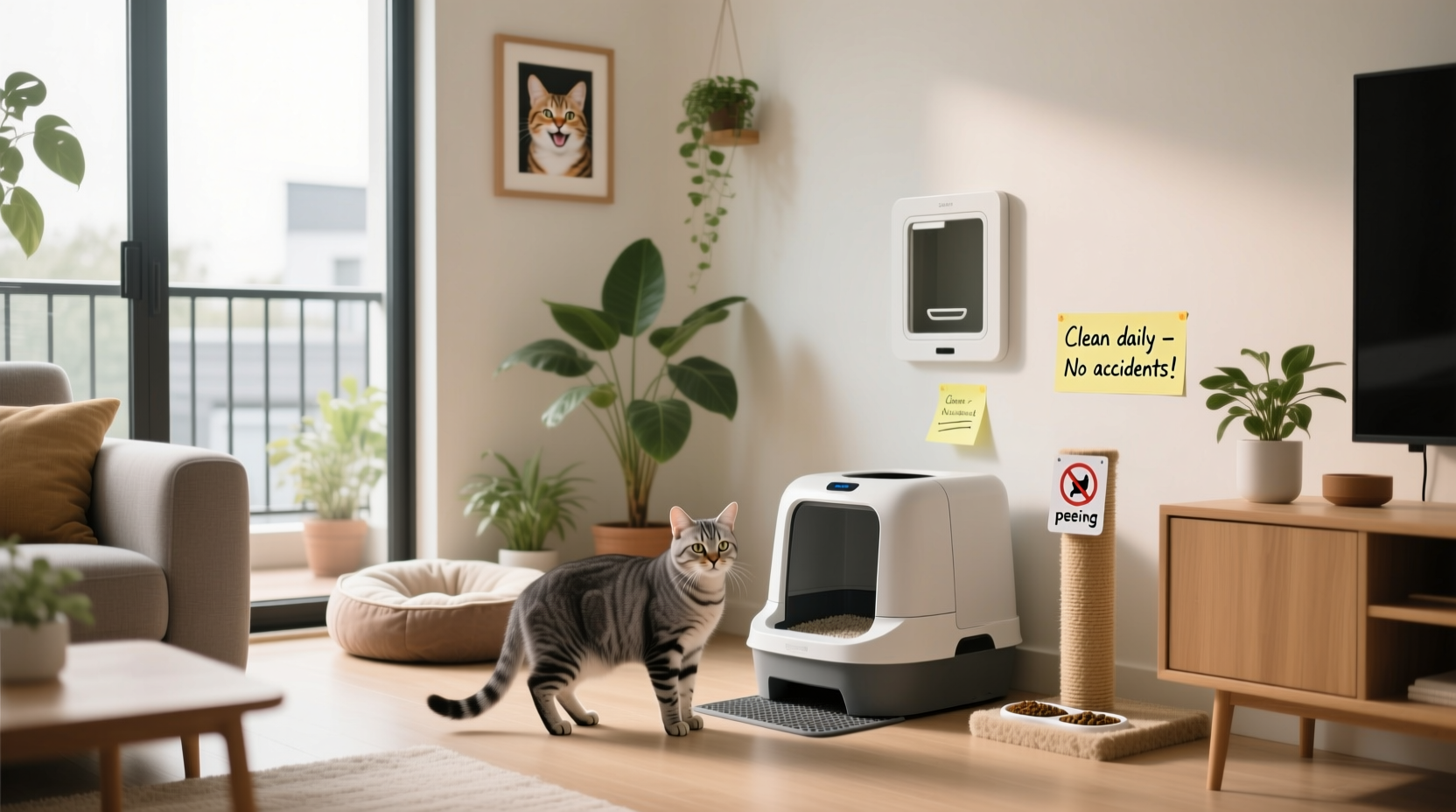
Before addressing behavioral or environmental factors, it's essential to rule out underlying health problems. Urinary tract infections (UTIs), kidney disease, diabetes, and arthritis can all cause a cat to avoid the litter box. Cats in pain may associate the box with discomfort and seek softer or more accessible surfaces.
A veterinarian can perform a urinalysis, blood test, and physical exam to identify any medical conditions. Early diagnosis not only resolves the immediate issue but can prevent long-term complications. Never assume your cat is acting out of spite—pain or illness is often the real culprit.
“Over 30% of cats presenting with inappropriate elimination have an underlying medical condition.” — Dr. Sarah Thompson, DVM, Feline Behavior Specialist
Optimize Litter Box Setup and Maintenance
The litter box is the cornerstone of feline bathroom behavior. Even minor issues with location, type, or cleanliness can drive a cat to find alternatives. Many owners unknowingly create conditions that discourage proper use.
Follow these evidence-based guidelines to make the litter box more appealing:
- Number of boxes: Provide one box per cat, plus one extra. For two cats, use three boxes.
- Location: Place boxes in quiet, low-traffic areas with multiple exit routes. Avoid loud appliances or corners where a cat can be cornered.
- Cleanliness: Scoop daily and change litter completely every 1–2 weeks. Use unscented, clumping litter for best results.
- Type: Most cats prefer uncovered, large-sized boxes (at least 1.5 times the cat’s length).
| Litter Box Factor | Recommended Practice | Common Mistake |
|---|---|---|
| Quantity | One per cat + one extra | Only one box for multiple cats |
| Cleaning Frequency | Scooped daily, full change weekly | Changed only when smelly |
| Litter Type | Unscented, clumping clay | Fragranced or crystal litter |
| Box Style | Open, large, low-entry | Covered boxes that trap odor |
Address Territorial and Stress Triggers
Cats are territorial animals, and stress is a leading cause of inappropriate urination. Changes such as new pets, moving, renovations, or even a different brand of laundry detergent can trigger marking behavior. Spraying (urine on vertical surfaces) is typically territorial, while peeing on horizontal surfaces may indicate litter box dissatisfaction.
To reduce stress:
- Use pheromone diffusers like Feliway to mimic calming facial hormones.
- Maintain consistent routines for feeding, play, and interaction.
- Provide vertical space (cat trees, shelves) to help cats feel secure.
- Introduce new pets or people gradually with scent swapping and controlled exposure.
Mini Case Study: Resolving Multi-Cat Tension
In a household with three cats, the youngest began peeing on the bedroom rug after the family adopted a fourth cat. The owner initially assumed the cat was “angry” and tried punishment, which worsened the behavior. A veterinary check ruled out UTIs. A behaviorist assessed the home and found only two litter boxes—one in the basement and one near a noisy washer.
The solution included adding two more boxes on separate floors, using Feliway diffusers in shared spaces, and creating distinct feeding and resting zones. Within three weeks, the inappropriate urination stopped. The cat wasn’t being defiant; it was stressed and avoiding conflict over resources.
Step-by-Step Guide to Eliminate Indoor Urination
Resolving this issue requires a systematic approach. Follow this timeline for best results:
- Week 1: Vet Visit & Diagnosis
Schedule a full check-up. Collect a urine sample if possible. Treat any medical conditions promptly. - Week 2: Audit Your Litter Setup
Count boxes, assess locations, switch to unscented litter, and increase cleaning frequency. - Week 3: Identify Stressors
Note recent changes, introduce pheromones, and enrich the environment with hiding spots and toys. - Week 4: Clean & Redirect
Use enzymatic cleaner on all accident sites. Block access to favored spots with furniture or foil. Encourage box use with positive reinforcement. - Ongoing: Monitor & Maintain
Watch for relapses. Continue scooping daily and rotate boxes to ensure all are used.
FAQ: Common Questions About Cat Urination
Why does my cat pee right next to the litter box?
This often means the box is dirty, too small, or located in a stressful area. It can also signal pain during urination. Clean the box thoroughly and consult your vet.
Can I train my cat to stop peeing inside?
You don’t train a cat to use the litter box—they instinctively know how. Instead, you manage the environment and remove barriers to proper use. Positive reinforcement works better than punishment.
Is spraying the same as peeing?
No. Spraying involves backing up to a vertical surface, tail quivering, and releasing small amounts of urine to mark territory. Peing in the box or on horizontal surfaces is elimination. The causes and solutions differ.
Final Checklist for Success
- ✅ Rule out medical issues with a vet visit
- ✅ Provide enough litter boxes in quiet, accessible locations
- ✅ Use unscented, clumping litter and clean boxes daily
- ✅ Clean past accidents with enzymatic cleaner
- ✅ Reduce stress with pheromones, routine, and environmental enrichment
- ✅ Monitor behavior and adjust as needed
“The majority of inappropriate urination cases are solvable when owners address both medical and environmental factors.” — International Association of Animal Behavior Consultants (IAABC)
Conclusion
Stopping your cat from peeing inside isn’t about punishment or quick fixes—it’s about empathy, observation, and consistency. By combining veterinary insight with thoughtful environmental adjustments, you can resolve the issue for good. Remember, your cat isn’t trying to annoy you. They’re communicating discomfort, fear, or pain in the only way they can.




 浙公网安备
33010002000092号
浙公网安备
33010002000092号 浙B2-20120091-4
Comments
No comments yet. Why don't you start the discussion?