
Cats are naturally curious, playful, and sometimes mischievous animals. While their antics can be endearing, one common behavior that frustrates many pet owners is knocking over their water bowls. Not only does this create daily messes, but it can also discourage consistent hydration if the cat associates drinking with instability or discomfort. Addressing this issue requires more than just replacing the bowl—it calls for understanding feline instincts and making strategic changes to your cat’s environment. With thoughtful adjustments, you can keep your floors dry, your cat hydrated, and your home cleaner.
Understanding Why Cats Tip Over Water Bowls
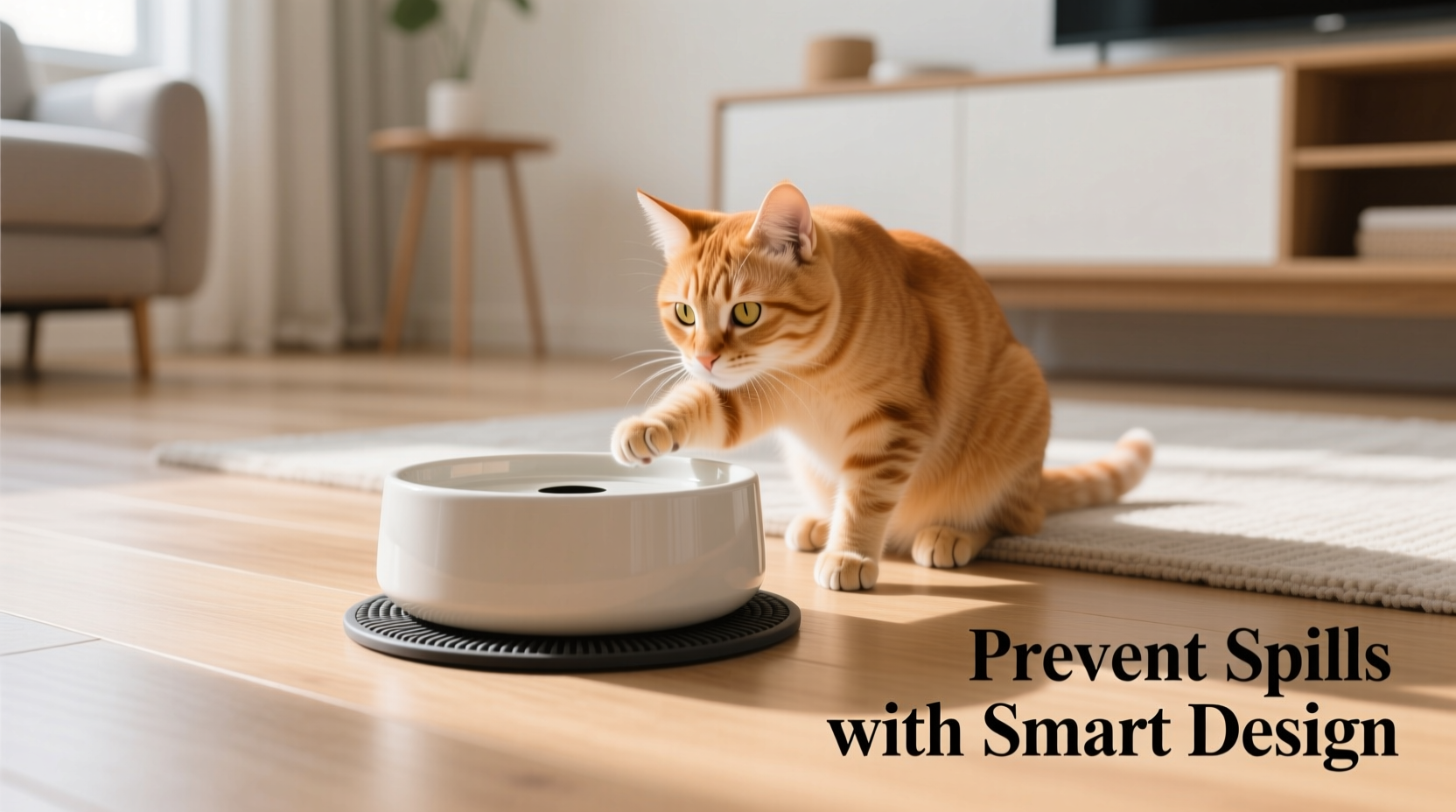
Cats don’t knock over water bowls purely out of spite. Their behavior often stems from natural instincts and environmental factors. Some cats paw at their water to check its freshness—a survival mechanism inherited from wild ancestors who avoided stagnant water sources. Others may do it out of boredom, curiosity, or even because the bowl feels unstable or uncomfortable when they drink.
Narrow-topped bowls can make cats feel trapped, especially if their whiskers touch the sides (a condition known as \"whisker fatigue\"). In other cases, the location of the bowl—near loud appliances or high-traffic areas—can cause anxiety, prompting erratic behavior around the dish.
Choosing the Right Bowl Type and Material
The design and material of the water bowl significantly influence how likely it is to tip. Lightweight plastic bowls are easily flipped, while heavier ceramic or stainless steel options offer greater stability. Wide, shallow dishes reduce whisker contact, improving comfort.
| Bowl Type | Stability | Whisker Comfort | Durability |
|---|---|---|---|
| Plastic | Low | Poor | Moderate (prone to scratching) |
| Stainless Steel | High | Good (if wide rim) | Excellent |
| Ceramic | High (if weighted base) | Good | Good (can break if dropped) |
| Non-slip Silicone | Moderate to High | Excellent | Good |
Weighted or non-tip bowls with rubberized bases are specifically designed to resist paw swipes. These are ideal for active or playful cats. Avoid tall, narrow containers that shift easily under pressure.
Strategic Placement and Environmental Adjustments
Location plays a critical role in preventing spills. Cats prefer quiet, accessible spots where they can drink without feeling exposed. Placing the water bowl too close to food can deter drinking due to scent contamination—cats instinctively avoid drinking near their eating area in the wild.
- Position the bowl away from loud noises like washing machines or doorbells.
- Elevate the bowl slightly if your cat has mobility issues or prefers a higher drinking angle.
- Use a corner spot with two stable walls to limit access from multiple angles.
- Avoid placing it directly under shelves or cabinets where a paw swipe could hit obstacles and increase momentum.
“Cats are creatures of habit and comfort. A poorly placed water source can lead to avoidance or disruptive behavior.” — Dr. Lena Torres, Feline Behavior Specialist
Step-by-Step Guide to Prevent Water Spills
Implementing lasting change involves a combination of observation, adjustment, and consistency. Follow this timeline to effectively curb tipping behavior:
- Week 1: Monitor and Assess – Watch your cat closely during drinking times. Note frequency, posture, and any paw interaction with the bowl.
- Week 2: Upgrade the Bowl – Replace lightweight plastic with a heavy ceramic or stainless steel option featuring a non-slip base.
- Week 3: Optimize Location – Move the bowl to a quieter, low-traffic area at least three feet from the food bowl.
- Week 4: Introduce a Water Fountain – Consider switching to a filtered cat fountain, which encourages hydration and reduces interest in playing with still water.
- Ongoing: Reinforce Positive Habits – Praise calm drinking behavior and clean the bowl daily to maintain freshness and appeal.
Real-Life Example: Solving Bella’s Spill Problem
Sarah adopted a young tabby named Bella who loved batting her water bowl across the kitchen floor every evening. After ruling out medical issues with her vet, Sarah observed that Bella would dip her paw into the water before drinking—likely testing for movement. She replaced the flimsy plastic bowl with a wide, ceramic dish anchored by a rubber mat. She then moved it to a corner near a sunlit window, away from the refrigerator’s hum. Within a week, spills decreased by 80%. Two weeks later, she introduced a stainless steel fountain, which Bella immediately preferred. The constant flow eliminated paw-dipping, and the heavier unit resisted tipping. Today, Sarah enjoys a dry kitchen floor and a well-hydrated cat.
Checklist: How to Stop Your Cat from Tipping the Water Bowl
- ✅ Replace lightweight bowls with heavy, non-slip alternatives
- ✅ Choose wide, shallow designs to prevent whisker stress
- ✅ Place the bowl in a quiet, stable location away from food
- ✅ Consider switching to a cat water fountain
- ✅ Clean the bowl or fountain daily to encourage use
- ✅ Use a tray or mat underneath to contain minor splashes
- ✅ Observe your cat’s drinking habits weekly for signs of improvement
Frequently Asked Questions
Why does my cat play with their water bowl?
Cats may paw at water to test its freshness, satisfy curiosity, or relieve boredom. Moving water is more appealing, which is why fountains often reduce this behavior. It can also indicate dissatisfaction with the bowl’s shape or placement.
Are water fountains better than bowls for preventing spills?
Yes, in many cases. Fountains are typically heavier, have larger bases, and provide circulating water that cats find more enticing. This reduces the need to investigate or manipulate the water manually, minimizing tipping risks.
Can a cat’s breed influence tipping behavior?
While individual personality plays the biggest role, some breeds—like Siamese or Bengals—are more energetic and curious, making them more prone to interactive behaviors around food and water. These cats often benefit most from enrichment tools like fountains or puzzle dispensers.
Final Thoughts and Call to Action
Preventing your cat from tipping over their water bowl isn’t about discipline—it’s about empathy and smart solutions. By aligning your approach with your cat’s instincts and preferences, you create a harmonious environment where both cleanliness and hydration thrive. Small changes in bowl type, placement, and routine can yield significant long-term results.




 浙公网安备
33010002000092号
浙公网安备
33010002000092号 浙B2-20120091-4
Comments
No comments yet. Why don't you start the discussion?