
Dogs are naturally curious, and their keen sense of smell often leads them straight to the cat’s litter box. While it may seem harmless at first, this behavior poses real health risks—from intestinal parasites to exposure to clumping agents or chemical residues. More importantly, allowing dogs unrestricted access disrupts household harmony and can stress both pets. The solution isn’t punishment or confinement, but thoughtful environmental management, behavioral training, and empathy for both animals’ needs. With patience and consistency, you can create a home where both your dog and cat coexist peacefully—each with their own private spaces respected.
Understand Why Dogs Are Drawn to the Litter Box
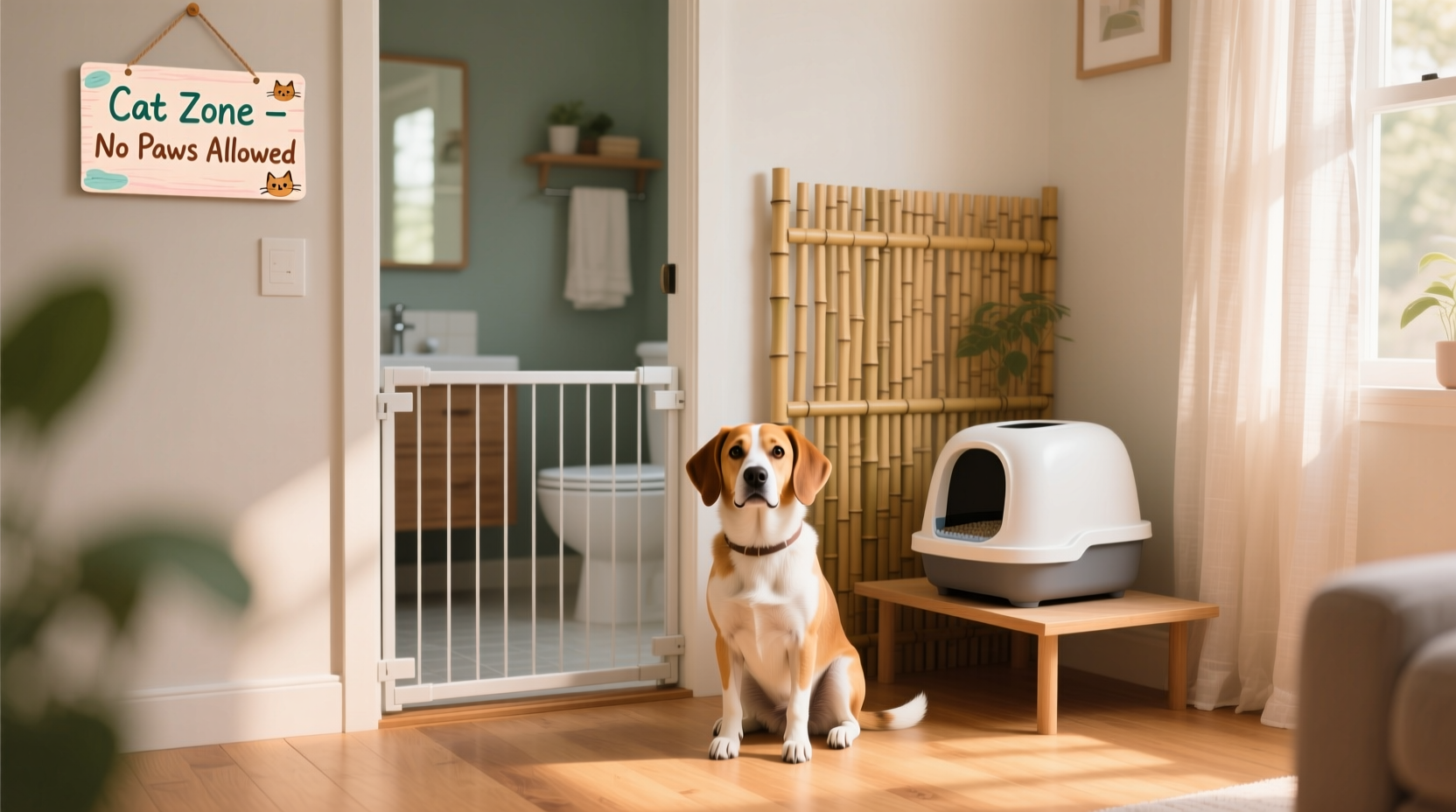
Dogs investigate the litter box for several instinct-driven reasons. First, the scent of used litter resembles food waste or animal droppings—something scavengers like dogs are evolutionarily wired to explore. Second, some dogs simply enjoy the texture of litter under their paws or find the act of digging in it entertaining. In certain cases, nutritional deficiencies or boredom can drive coprophagia—the consumption of feces—which includes cat waste due to its high protein content.
Addressing the root cause is essential. A dog that raids the litter box out of curiosity requires different handling than one doing so out of anxiety or dietary need. Observing when and how often the behavior occurs helps tailor your response appropriately.
Design Physical Barriers That Respect Both Pets
One of the most reliable ways to keep dogs away from the litter box is through strategic placement and physical separation. Cats are agile and can navigate tight spaces; dogs generally cannot. Use this to your advantage by creating entry points accessible only to cats.
- Install a baby gate with a pet door: Set it at a height only your cat can jump over, or use a small passage just large enough for the cat.
- Use a covered litter box with a cat-only entrance: Some models feature tunnels or offset doors that block larger dogs while allowing cats easy access.
- Place the litter box in a restricted room: A closet, bathroom, or laundry room with a safety gate or custom-cut door flap works well. Ensure the space remains low-stress for the cat.
Avoid placing the litter box near food bowls—this violates basic hygiene instincts for both species and may encourage unwanted behaviors.
Step-by-Step: Creating a Cat-Exclusive Litter Zone
- Choose a quiet, low-traffic room (e.g., spare bathroom).
- Measure your cat’s shoulder height and install a swinging door flap cut to allow only the cat through.
- Introduce the cat to the new space gradually, using treats and positive reinforcement.
- Supervise initial entries to ensure the dog cannot push through or knock down the barrier.
- Monitor usage—if the cat avoids the area, reassess location or lighting.
Behavioral Training: Redirect, Don’t Punish
Training your dog to avoid the litter box should focus on redirection and positive reinforcement, not scolding. Yelling or physical correction creates fear and damages trust. Instead, teach an alternative behavior when the dog approaches the litter area.
Start by leash-training your dog in the vicinity of the litter box. When they show interest, say “Leave it” firmly and reward them immediately upon disengagement. Over time, pair the command with turning away or sitting. Consistency across all household members is key—everyone must use the same cue and reward system.
“Dogs respond best when we make the right choice more rewarding than the wrong one.” — Dr. Karen Becker, DVM, Integrative Pet Health Advocate
Incorporate daily practice sessions lasting 5–10 minutes. Gradually phase out treats as the behavior becomes habitual, replacing them with praise or playtime.
Environmental Enrichment to Reduce Curiosity
A bored dog is more likely to engage in undesirable exploration. Providing mental and physical stimulation reduces the appeal of novel stimuli like the litter box.
| Need | Solution | Benefit |
|---|---|---|
| Mental Stimulation | Puzzle feeders, snuffle mats | Redirects sniffing energy productively |
| Physical Exercise | Daily walks, fetch, agility drills | Reduces excess energy that fuels mischief |
| Oral Satisfaction | Chew toys, dental sticks | Discourages ingestion of non-food items |
| Routine | Consistent feeding and walk times | Creates security, reducing compulsive behaviors |
Mini Case Study: The Multi-Pet Household Transformation
The Rivera family lived in a two-bedroom apartment with a playful 2-year-old Labrador named Max and a shy 7-year-old tabby cat, Luna. Max had developed a habit of investigating Luna’s litter box, occasionally eating the contents. Concerned about parasites and tension between the pets, the family consulted a certified dog trainer.
The solution involved three steps: First, they moved the litter box into a small bathroom and installed a custom pet door sized for Luna. Second, they began daily 15-minute training sessions teaching Max the “leave it” command, reinforced with freeze-dried liver treats. Third, they introduced a snuffle mat during breakfast to occupy Max while Luna used her private space.
Within four weeks, the litter box raids stopped completely. Luna became more relaxed, using her space freely, while Max gained confidence through structured training. The family reported improved peace in the home and stronger bonding with both pets.
Checklist: Preventing Dog Access—Action Plan
- ✅ Assess current litter box location and visibility to the dog
- ✅ Relocate the box to a cat-only zone (e.g., gated room or closet)
- ✅ Install a physical barrier (pet door, gate, or hooded box)
- ✅ Begin “leave it” training with high-value rewards
- ✅ Increase daily exercise and enrichment for the dog
- ✅ Monitor both pets’ behavior and adjust as needed
- ✅ Consult a vet if coprophagia persists (could indicate medical issue)
Frequently Asked Questions
Can I use deterrent sprays near the litter box?
It’s not recommended. Strong scents may repel dogs but can also deter cats, who are sensitive to smells. If used, apply only outside the immediate area and test cautiously. Natural options like citrus peels may help, but monitor your cat’s reaction closely.
Will neutering or spaying reduce this behavior?
While these procedures reduce territorial marking and roaming, they don’t directly stop litter box investigation. However, overall behavioral stability often improves post-surgery, which supports training efforts.
Is it safe for my dog to eat cat poop occasionally?
Occasional ingestion (“cat poop syndrome”) is common and usually not dangerous, but risks include parasitic infections (like hookworms), gastrointestinal upset, or exposure to medications excreted by the cat. Regular deworming and veterinary checkups are crucial if the behavior persists.
Conclusion: Kindness and Consistency Build Lasting Harmony
Preventing your dog from accessing the cat litter box isn’t about restricting freedom—it’s about designing a living environment that honors the needs of both species. Through smart spatial planning, patient training, and enriched daily routines, you create a home where curiosity doesn’t lead to conflict. These strategies foster mutual respect, reduce stress, and support long-term health for all pets. The goal isn’t perfection overnight, but steady progress guided by empathy and understanding.




 浙公网安备
33010002000092号
浙公网安备
33010002000092号 浙B2-20120091-4
Comments
No comments yet. Why don't you start the discussion?