
Dog owners often face unexpected challenges during walks—leash pulling, distractions, and sudden bursts of energy. But one of the most common and frustrating behaviors is when a dog repeatedly bites or chews the leash. This habit not only damages equipment but can also disrupt training progress and compromise safety. The good news is that with consistent, positive reinforcement techniques, this behavior can be corrected. Understanding why dogs bite leashes and applying targeted strategies makes all the difference.
Why Dogs Bite the Leash: Understanding the Root Causes
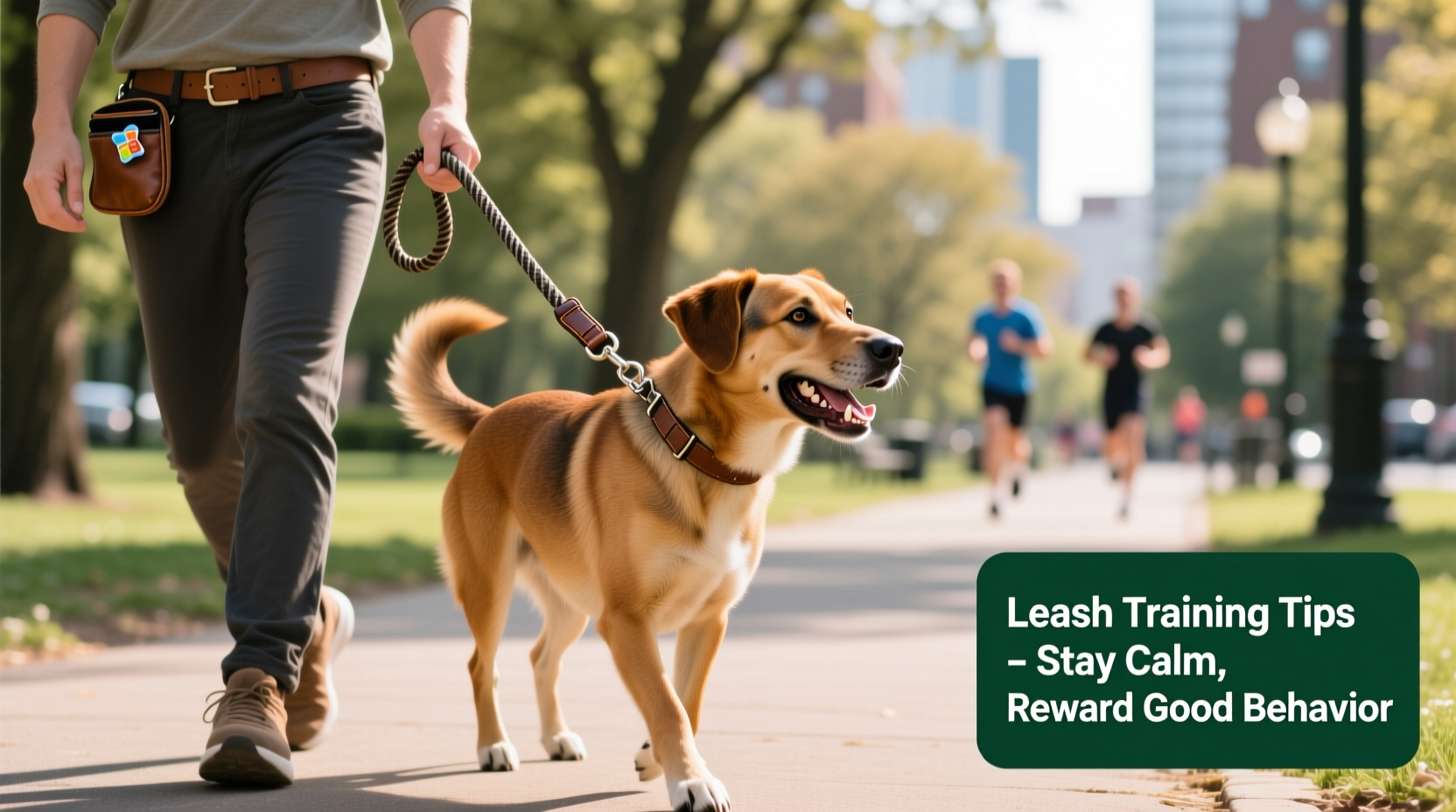
Dogs don’t chew on leashes out of defiance. More often, it’s a symptom of underlying needs or emotional states. Puppies may do it out of teething discomfort or curiosity, while adult dogs might engage in the behavior due to excess energy, boredom, anxiety, or even attention-seeking.
For some dogs, the leash becomes a toy by association—especially if they’ve been allowed to mouth it during playtime or if they receive any form of interaction (even scolding) when they do. In other cases, the sensation of movement triggers a prey drive response; the swaying leash mimics small moving objects, prompting instinctual chasing and grabbing.
Recognizing the motivation behind the behavior is essential. A dog chewing the leash because they’re overstimulated requires a different approach than one doing so due to fear or under-stimulation.
Effective Training Techniques to Stop Leash Biting
Training must be proactive, consistent, and reward-based. Punishment or yelling often worsens the issue by increasing anxiety or reinforcing attention-seeking behavior. Instead, focus on redirecting and reinforcing alternative actions.
- Redirect with a Toy or Chew Object: Carry a lightweight tug toy or treat-dispensing chew toy on walks. When your dog goes for the leash, pause walking, show the toy, and encourage them to take it instead. Reward engagement with praise or treats.
- Use a “Leave It” Command: Train the “leave it” cue at home first using treats. Once reliable, apply it during walks. Say “leave it” the moment your dog looks toward the leash. Reward compliance with a treat or forward motion.
- Pause and Reset: The instant your dog bites the leash, stop walking. Stand still until they release it. Then resume. Over time, dogs learn that biting = walk stops, while calm behavior = progress.
- Switch Leash Types: Some leashes are less tempting. Consider a hands-free waist leash, a thicker biothane leash, or a retractable with a rigid handle. Avoid nylon ropes or thin cords that resemble toys.
Step-by-Step Timeline for Behavior Correction (Weeks 1–4)
| Week | Focus | Action Plan |
|---|---|---|
| 1 | Observation & Baseline | Record when and where biting occurs. Note triggers like excitement, fatigue, or distractions. |
| 2 | Redirection Training | Introduce a handheld toy. Practice switching from leash to toy in low-distraction areas. |
| 3 | Reinforcement in Motion | Walk short routes, rewarding every 30 seconds of no biting. Use high-value treats. |
| 4 | Generalization | Practice in busier environments. Increase duration between rewards as behavior improves. |
Environmental and Equipment Adjustments That Help
Beyond training, modifying the walking environment and gear plays a crucial role. Dogs respond strongly to context—changing the physical setup reduces temptation and supports learning.
- Pre-walk exercise: A 10–15 minute play or fetch session before walking burns excess energy that might otherwise manifest as chewing.
- Shorter, more frequent walks: Instead of one long walk, try two shorter ones. This prevents mental fatigue and keeps engagement higher.
- Leash length: A shorter leash gives you better control and reduces slack that dangles and tempts mouthing.
- Muzzle training (if needed): For persistent biters, a well-fitted basket muzzle can prevent access to the leash while allowing panting and drinking.
Expert Insight: What Professional Trainers Recommend
Canine behavior specialists emphasize consistency and empathy when addressing leash biting. The goal isn’t suppression—it’s teaching an alternative behavior that satisfies the dog’s need.
“Dogs aren’t trying to ruin your walk. They’re communicating. If a dog is biting the leash, ask: What does this dog need right now? Is it stimulation, rest, clarity? Address the need, and the behavior fades.” — Dr. Lena Torres, Certified Applied Animal Behaviorist
Torres notes that many owners overlook the importance of mental engagement. “A dog who gets sniffing breaks, varied routes, and structured games on walks is far less likely to resort to destructive habits,” she adds.
Real Example: Turning Around Max’s Leash Biting
Max, a 9-month-old Australian Shepherd, would lunge at his leash the moment it was clipped. His owner, Sarah, tried yanking it away and saying “no,” but the behavior worsened. Frustrated, she consulted a local trainer.
The trainer observed that Max was highly energetic and had no pre-walk routine. He was taken straight from lounging indoors to fast-paced walks without mental preparation. The solution included three key changes:
- A 10-minute indoor fetch game before each walk.
- Switching to a durable biothane leash that didn’t dangle loosely.
- Using a small rope toy clipped to her belt—offered whenever Max looked at the leash.
Within three weeks, Max stopped biting entirely. The turning point came when he learned that ignoring the leash led to forward motion and sniffing opportunities—rewards he valued more than chewing.
Checklist: How to Prevent Leash Biting – Action Steps
- ✅ Identify when and why biting occurs (excitement, boredom, etc.)
- ✅ Introduce a handheld distraction toy for redirection
- ✅ Practice “leave it” command in low-distraction settings
- ✅ Pause walking immediately when biting starts
- ✅ Provide pre-walk physical and mental exercise
- ✅ Use a less tempting leash material (e.g., biothane or leather)
- ✅ Reward calm walking every 30–60 seconds initially
- ✅ Gradually increase expectations as behavior improves
Frequently Asked Questions
Is leash biting a sign of aggression?
No, in most cases, leash biting is not aggression. It’s typically rooted in playfulness, over-arousal, or frustration. True aggression involves stiff body language, growling, or snapping at people or animals—not just mouthing gear.
How long does it take to stop leash biting?
With consistent daily practice, most dogs improve within 2–4 weeks. Puppies or highly energetic breeds may take longer. Success depends on identifying triggers and reinforcing alternatives consistently.
Can I use bitter spray on the leash?
While pet-safe bitter sprays exist, they should be a last resort. Relying on aversive tastes doesn’t teach the dog what to do instead. Focus on positive redirection first. If used, test on a small area to ensure it doesn’t damage the leash.
Conclusion: Building Better Walks, One Step at a Time
Stopping leash biting isn’t about control—it’s about communication. When dogs understand what’s expected and are given satisfying alternatives, the behavior naturally diminishes. The strategies outlined here combine behavioral insight, practical adjustments, and compassionate training to create walks that are enjoyable for both dog and owner.
Start small. Pick one technique—like carrying a distraction toy or practicing the pause-and-reset method—and commit to it for a week. Track progress, stay patient, and celebrate improvements, no matter how minor they seem. Over time, these efforts build trust and transform walks into moments of connection, not conflict.




 浙公网安备
33010002000092号
浙公网安备
33010002000092号 浙B2-20120091-4
Comments
No comments yet. Why don't you start the discussion?