
Dogs often chew out of boredom, anxiety, or instinct, especially when left unattended. While chewing is a natural behavior, destructive habits can damage furniture, create safety hazards, and signal underlying stress. Addressing this issue requires more than just discipline—it demands understanding your dog’s needs and creating an environment that supports calm, independent behavior. With the right combination of mental stimulation, training, and environmental management, you can significantly reduce or even eliminate destructive chewing.
Understand Why Dogs Chew When Alone
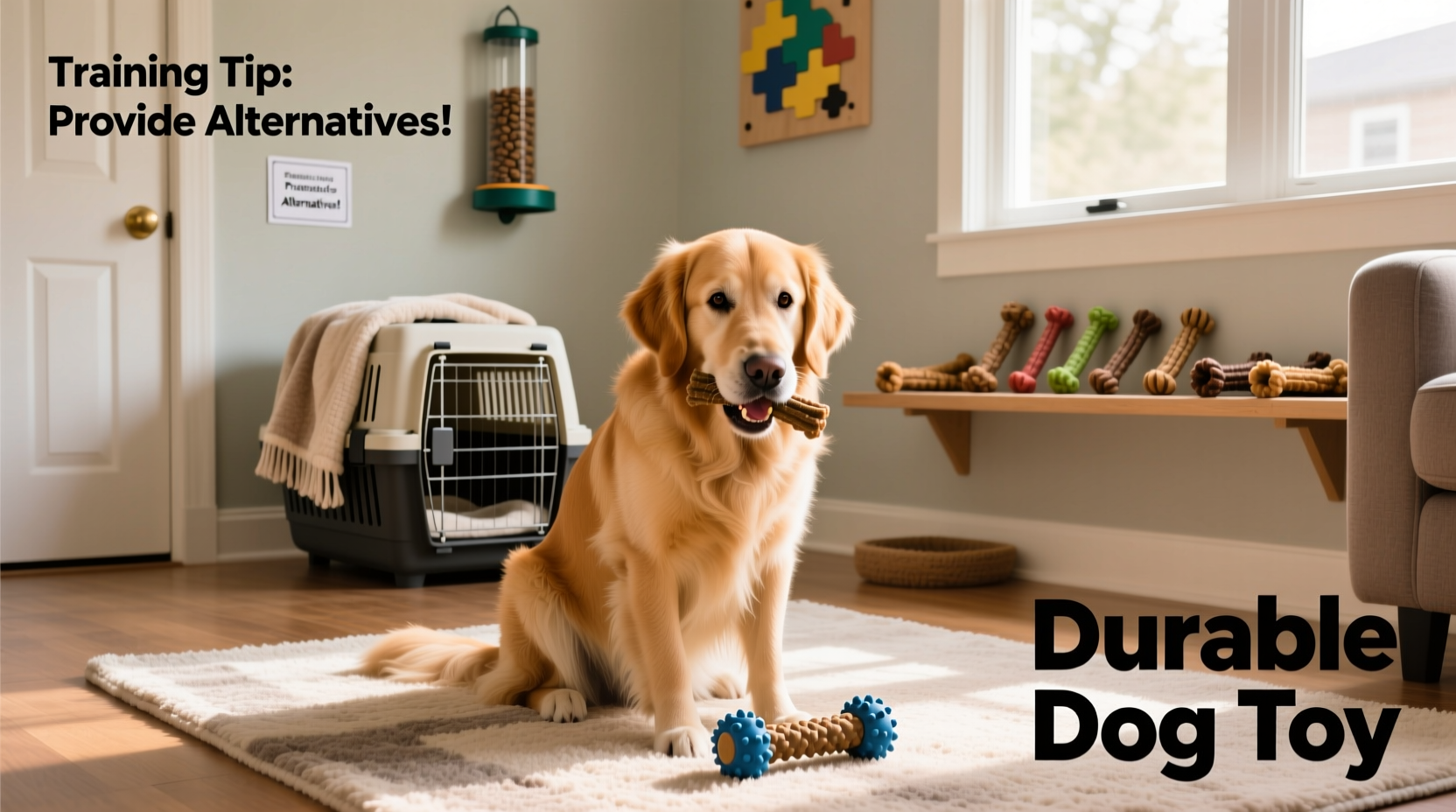
Destructive chewing isn't typically malicious; it's usually a symptom of deeper issues. Puppies chew as part of teething, but adult dogs may chew due to separation anxiety, lack of exercise, or insufficient mental engagement. Dogs left alone for long periods without stimulation may resort to chewing as a coping mechanism.
Signs that chewing is anxiety-related include:
- Chewing primarily near exits or personal items (shoes, clothing)
- Pacing, whining, or excessive drooling before or during isolation
- Attempts to escape or scratch at doors
- Destructive behavior occurring only when the owner is absent
Recognizing the root cause is essential. If your dog is anxious, simply removing tempting objects won’t solve the problem. Instead, focus on building confidence and reducing stress.
“Destructive behavior in dogs is rarely about defiance. It’s usually a cry for help or a sign of unmet physical or emotional needs.” — Dr. Karen Becker, DVM, Integrative Veterinary Care Specialist
Create a Dog-Safe Environment
Prevention starts with managing your dog’s surroundings. A safe space reduces temptation and minimizes opportunities for destructive behavior.
Consider setting up a designated “safe zone” such as a crate, exercise pen, or specific room equipped with durable flooring and minimal valuables. This area should include:
- Chew-safe toys
- A comfortable bed
- Water (if supervision allows)
- Familiar scents (e.g., a worn t-shirt)
Remove or secure items your dog might chew: electrical cords, shoes, books, remote controls, and table legs. Use bitter-tasting sprays on baseboards or furniture if necessary—these are non-toxic deterrents that discourage chewing.
Provide Mental and Physical Stimulation
A tired dog is a well-behaved dog. Ensuring your dog receives adequate physical exercise and mental challenges before being left alone can dramatically reduce destructive tendencies.
Exercise requirements vary by breed and age, but most dogs benefit from at least 30–60 minutes of active movement daily. This could include walks, runs, fetch, or agility training. Physical activity helps burn excess energy that might otherwise fuel destructive behaviors.
Mental stimulation is equally important. Puzzle toys, treat-dispensing balls, and interactive games engage your dog’s brain and provide a sense of purpose.
| Type of Toy | Benefits | Recommended For |
|---|---|---|
| Kong-style rubber toys | Can be stuffed with treats; long-lasting engagement | All breeds, especially strong chewers |
| Puzzle feeders | Encourage problem-solving; slow down eating | Dogs prone to boredom |
| Rope or tug toys | Satisfy natural chewing instincts | Active or herding breeds |
| Stuffed Kongs frozen with peanut butter | Long-lasting distraction (can occupy 30+ minutes) | Dogs left alone for short periods |
Train Your Dog for Independence
Training builds confidence and teaches your dog to cope with solitude. Start with short absences and gradually increase duration.
Step-by-Step Guide to Building Alone Time Tolerance
- Practice departures: Pick up keys, put on shoes, walk to the door, then return—without leaving. Repeat several times to desensitize your dog to departure cues.
- Start small: Leave the house for 30 seconds, then return calmly. Gradually extend to minutes, then hours over days or weeks.
- Ignore excitement: When returning, avoid immediate greetings. Wait until your dog is calm before acknowledging them.
- Use a cue: Say “I’ll be back” in a cheerful tone before leaving to create positive associations.
- Monitor progress: Use a camera to observe behavior when you're gone and adjust your approach accordingly.
Crating can be helpful if introduced positively. Never use the crate as punishment. Feed meals inside, toss treats in, and allow voluntary entry so it becomes a den-like retreat.
Mini Case Study: Reducing Chewing in a High-Energy Border Collie
Max, a three-year-old Border Collie, was destroying baseboards and chewing through couch cushions every time his owner worked from home and stepped into another room. The owner initially assumed Max was misbehaving, but video monitoring revealed pacing, panting, and restlessness—classic signs of mild separation distress.
The solution involved a multi-pronged approach:
- Added two 30-minute off-leash park visits per day
- Introduced a frozen Kong filled with yogurt and blueberries before any absence
- Created a confined space with a durable mat, chew toy, and white noise machine
- Began a gradual desensitization routine starting with 10-second exits
Within three weeks, Max remained calm during 2-hour absences. After six weeks, the destructive chewing stopped completely. The key was addressing both physical energy and emotional insecurity.
Checklist: Prevent Chewing When Leaving Your Dog Alone
- ✅ Remove or secure tempting objects (shoes, cords, etc.)
- ✅ Provide at least one engaging chew toy or puzzle feeder
- ✅ Exercise your dog thoroughly before leaving
- ✅ Establish a consistent departure and return routine
- ✅ Crate or confine your dog in a safe, comfortable area
- ✅ Use chew deterrent sprays on vulnerable surfaces if needed
- ✅ Gradually increase alone time to build tolerance
- ✅ Monitor behavior with a pet camera to assess progress
Common Mistakes That Worsen the Problem
Well-meaning owners sometimes unintentionally reinforce destructive behavior. Avoid these pitfalls:
| Mistake | Why It’s Harmful | Better Alternative |
|---|---|---|
| Yelling at the dog after returning | Dogs don’t connect delayed punishment with past actions; increases anxiety | Clean up quietly and focus on prevention next time |
| Leaving the TV or radio on loudly | Can overstimulate or distort sounds, increasing alertness | Use soft background music or white noise at low volume |
| Free-feeding before leaving | Reduces motivation for puzzle toys | Use meal portions in food puzzles instead |
| Only giving toys when leaving | Creates high-value association with departure = stress trigger | Rotate toys regularly so they’re familiar and calming |
FAQ
How long can I safely leave my dog alone?
Most adult dogs can handle 4–6 hours alone, provided they’ve had exercise, potty breaks, and mental stimulation. Puppies, seniors, or dogs with anxiety may need shorter durations or midday check-ins. Always consider your dog’s individual needs.
Are certain breeds more prone to chewing?
Yes. High-energy breeds like Border Collies, Labradors, and Terriers often require more stimulation. However, any dog can develop destructive habits if under-exercised or stressed. Breed tendencies should inform care, not excuse poor management.
Should I get a second dog to keep my dog company?
Not necessarily. While companionship helps some dogs, others become more anxious or territorial. Introducing a second pet is a major decision and shouldn’t be used solely to fix behavioral issues. Focus first on training and enrichment for your current dog.
Conclusion: Build Confidence, Not Confinement
Preventing destructive chewing isn’t about restricting your dog—it’s about empowering them to feel secure and occupied when alone. By combining environmental management, physical exercise, mental challenges, and gradual training, you create a foundation of calm independence. These strategies don’t just stop chewing—they improve your dog’s overall quality of life.




 浙公网安备
33010002000092号
浙公网安备
33010002000092号 浙B2-20120091-4
Comments
No comments yet. Why don't you start the discussion?