
Dogs love plush toys—they’re soft, fun to carry, and often squeak in ways that trigger natural prey instincts. But when that playful chewing turns into full-scale destruction, it becomes more than just a mess. Shredded stuffing, scattered fibers, and frequent toy replacements aren’t just inconvenient; they can also pose health risks if ingested. The good news is that with the right approach, you can redirect your dog’s behavior and preserve both toys and peace of mind. This guide outlines practical, science-backed methods to help your dog enjoy plush toys without destroying them—permanently.
Understand Why Dogs Destroy Plush Toys
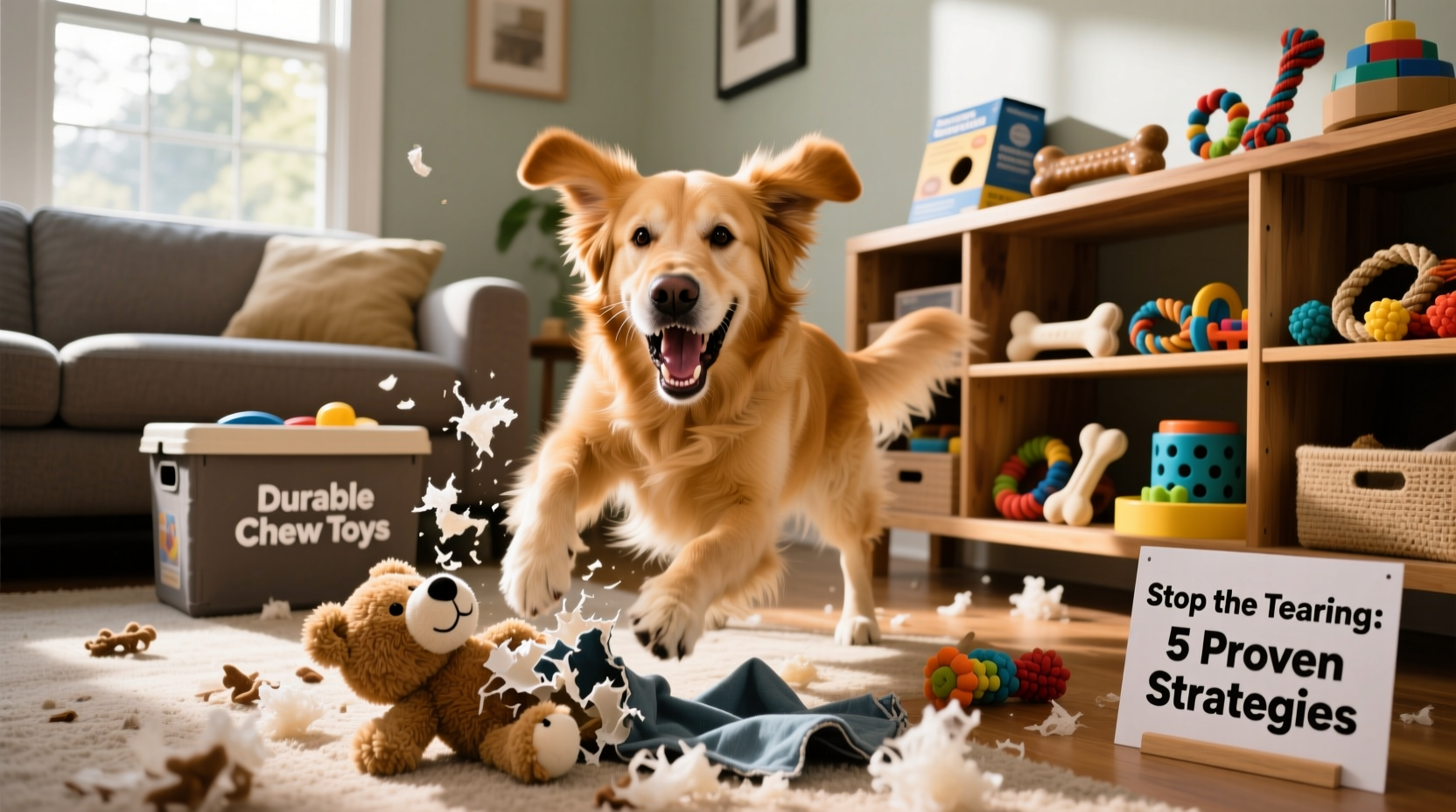
Destructive play isn't always about disobedience. For many dogs, tearing apart plush toys is an instinctual behavior rooted in their evolutionary past. In the wild, canines would rip open prey to access internal organs—a drive that translates today into ripping open the \"belly\" of a stuffed animal. Other reasons include boredom, excess energy, anxiety, or lack of appropriate chew alternatives.
Puppies are especially prone to destructive chewing as part of teething and exploration. Adult dogs may continue the habit if it's been reinforced—either through attention (even negative) or because it provides mental stimulation. Recognizing the root cause is essential before implementing solutions.
“Destructive chewing often signals unmet physical or mental needs. Addressing those needs is more effective than simply removing the toy.” — Dr. Lisa Marano, Certified Animal Behaviorist
Choose the Right Toys: Material Matters
Not all plush toys are created equal. Many commercially available plush toys are designed more for human aesthetics than canine durability. Selecting the right kind of toy can dramatically reduce destruction.
| Toy Type | Durability Level | Best For | Avoid If… |
|---|---|---|---|
| Standard Plush (with squeakers) | Low | Gentle chewers, supervised play | Dog is aggressive or obsessive chewer |
| Reinforced Stitching / Tough Fabric | Medium-High | Moderate chewers, interactive play | Dog removes stitching easily |
| Plush with Rubber Core or Liner | High | Power chewers needing soft texture | Dog dislikes mixed textures |
| Interactive Plush (treat-dispensing) | Varies | Mentally stimulating play | Dog destroys to get treats quickly |
Train for Gentle Play: A Step-by-Step Guide
You can teach your dog to interact gently with plush toys using positive reinforcement and structured sessions. Here’s how:
- Start with supervision: Only allow plush toy access when you're present to monitor behavior.
- Introduce the “gentle” command: When your dog starts chewing too hard, say “gentle” in a calm tone. If they ease up, immediately reward with praise or a treat.
- Interrupt destructive behavior: If they begin ripping, calmly remove the toy and pause play for 30 seconds. This teaches that destruction ends fun.
- Redirect to appropriate chew toys: Offer a durable rubber toy or dental chew after removal to satisfy the urge to gnaw.
- Reintroduce with praise: After the pause, return the plush toy and reward gentle interaction.
- Repeat consistently: Practice daily until your dog associates soft mouthing with rewards.
This process may take several weeks, especially for high-energy breeds like Border Collies or Labradors. Patience and consistency are key.
Provide Alternatives and Mental Stimulation
A dog who tears up plush toys excessively is often under-stimulated. Physical exercise and cognitive challenges reduce compulsive behaviors. Consider these alternatives:
- Durable chew toys: Kong, West Paw, or GoughNuts offer safe, long-lasting options.
- Puzzle feeders: Engage problem-solving skills and slow down feeding.
- Fetch or flirt pole sessions: Burn energy in controlled, rule-based play.
- Nose work games: Hide treats around the house to encourage sniffing and searching.
Dogs that receive at least 30–60 minutes of active engagement per day are significantly less likely to engage in destructive chewing.
Mini Case Study: Max the Australian Shepherd
Max, a 2-year-old Australian Shepherd, had destroyed over 15 plush toys in six months. His owners initially thought he just loved them too much. After consulting a trainer, they realized Max was bored—he spent most days alone while his owners worked.
The solution? A three-pronged approach: morning runs, a food puzzle at lunchtime (delivered via pet camera), and plush toy access only during 20-minute supervised sessions where he was rewarded for soft play. Within eight weeks, Max stopped tearing toys entirely and began preferring his KONG ball. His owners reported not only fewer shredded toys but also improved overall behavior.
Checklist: Prevent Plush Toy Destruction
- Assess your dog’s chewing intensity and energy level
- Select plush toys with reinforced seams or inner liners
- Limited access: only allow plush toys during supervised time
- Teach the “gentle” command using treats and praise
- Remove toy immediately if shredding begins
- Redirect to a durable chew toy after interruption
- Rotate plush toys weekly to maintain interest
- Incorporate daily mental stimulation (puzzles, training, scent games)
- Ensure adequate physical exercise based on breed needs
- Consult a trainer if aggression or obsession persists
Frequently Asked Questions
Can I completely stop my dog from destroying plush toys?
While some dogs may never be trusted with plush toys unsupervised, most can learn to play gently with consistent training. The goal isn’t necessarily elimination of the behavior but management and redirection. Many owners find success by limiting plush access to short, monitored sessions.
Are there plush toys designed for aggressive chewers?
Yes. Look for toys labeled “tough,” “heavy-duty,” or “indestructible.” Brands like Invincible Toys, Planet Dog, and Tough Tug offer plush-style toys with multiple layers of fabric, rubber cores, or mesh linings that resist tearing. These are ideal for dogs who love the feel of plush but destroy standard versions.
Is it okay to let my dog destroy one toy if it keeps them busy?
If the toy is designed to be torn apart safely (e.g., crinkle material, biodegradable stuffing), occasional destruction can be acceptable. However, constant shredding may reinforce compulsive behavior. It’s better to channel that energy into constructive activities like tug-of-war with durable ropes or treat-dispensing puzzles.
Sustainable Solutions for Lasting Change
Preventing plush toy destruction isn’t about punishment—it’s about understanding your dog’s needs and guiding their instincts productively. The most effective strategies combine environmental enrichment, clear boundaries, and positive reinforcement. Over time, your dog can learn that self-control leads to longer playtime, more rewards, and greater freedom.
Remember, every dog is different. What works for a retired senior dog may not suit a high-drive working breed. Tailor your approach to your pet’s personality, energy level, and history. With time and consistency, even the most enthusiastic shredder can learn to enjoy plush toys responsibly.




 浙公网安备
33010002000092号
浙公网安备
33010002000092号 浙B2-20120091-4
Comments
No comments yet. Why don't you start the discussion?