
In today’s fast-paced world, smartphones are essential tools for communication, productivity, and entertainment. Yet one of the most common frustrations users face is dropping their phones—often due to slippery surfaces, sweaty hands, or unstable grips. While screen protectors and rugged designs help after a fall, prevention is far more effective. Enter the anti skid case: a smart investment that enhances traction and minimizes the risk of accidental drops. But simply owning one isn’t enough. To truly maximize its effectiveness, you need to understand how to choose, maintain, and use it properly.
This guide dives into practical, science-backed methods to ensure your anti skid case performs at its best. From material selection to daily habits, these strategies will help keep your phone secure whether you're commuting, working out, or just walking around the house.
Understanding How Anti Skid Cases Work
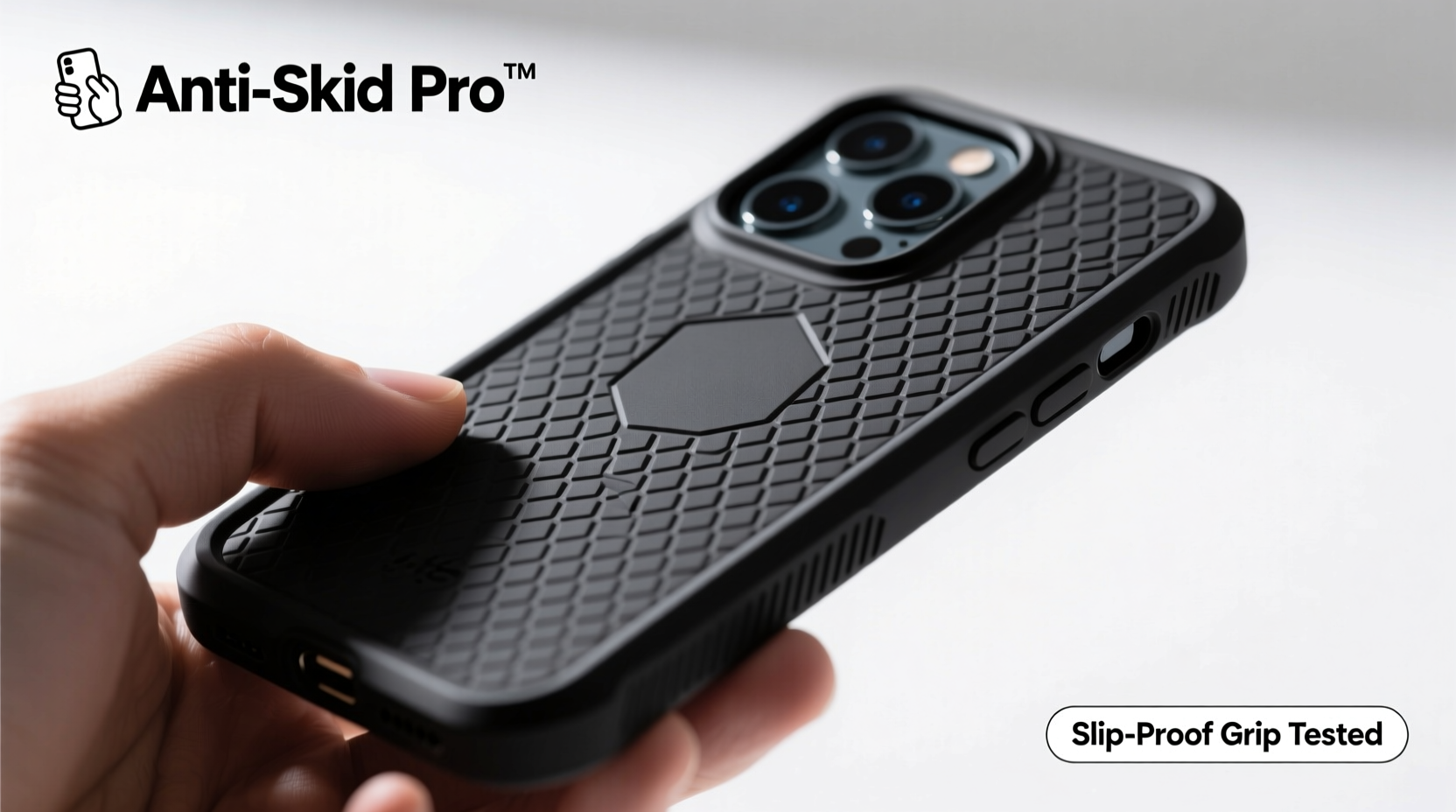
Anti skid cases are engineered to increase friction between your hand and the phone surface. They achieve this through specialized materials and textures that resist sliding. Common features include rubberized coatings, raised edges, textured patterns (like ridges or dimples), and silicone layers designed to absorb minor shocks while improving grip.
The key principle behind their function is coefficient of friction—the measure of how resistant two surfaces are to sliding against each other. A higher coefficient means better grip. Materials like thermoplastic polyurethane (TPU) and soft silicone score well here, especially when combined with ergonomic shaping.
Choosing the Right Anti Skid Case for Your Lifestyle
Not all anti skid cases are created equal. The best choice depends on your daily routine, environment, and how you hold your phone. For example, someone who cycles regularly needs different protection than an office worker or gym-goer.
| User Type | Recommended Features | Avoid |
|---|---|---|
| Outdoor Enthusiast | Rugged build, deep texture, water-resistant coating | Smooth plastic backs, minimal edge coverage |
| Gym User | Sweat-resistant silicone, finger grooves, vented sides | Fabric-covered cases that absorb moisture |
| Office Worker | Subtle texture, slim profile, scratch resistance | Oversized bumpers that interfere with typing |
| Parent/Caregiver | Drop-tested design, easy-to-clean surface, bright colors | Clear cases that show dirt easily |
When shopping, check product specifications for lab-tested drop ratings (e.g., MIL-STD-810G compliance) and real-world user reviews focusing on grip performance under stress—such as wet conditions or sudden movements.
Step-by-Step Guide to Maximizing Grip Security
Even the best anti skid case can fail if not used correctly. Follow this five-step process to get the most out of your case:
- Inspect the Surface Weekly: Wipe down the exterior with a microfiber cloth to remove oils, dust, and residue that reduce friction.
- Check for Wear and Tear: Cracks, peeling, or smoothing of textured areas compromise grip. Replace the case every 9–12 months or sooner if damage appears.
- Pair with Screen Protection: Use a slightly raised screen protector so the front doesn’t make contact during face-down drops.
- Adjust Your Holding Technique: Hold the phone lower toward the center or bottom third, where your palm has more control. Avoid gripping only by the top corners.
- Add a Lanyard or Strap: Many anti skid cases support wrist straps or neck lanyards. Attach one when using the phone in motion or near water.
“Many people don’t realize that skin moisture levels change throughout the day, affecting grip strength. A high-friction case acts as a buffer against those fluctuations.” — Dr. Lena Patel, Human Factors & Ergonomics Researcher
Mini Case Study: Reducing Drops in a Busy Café Environment
A small study conducted in Austin, Texas, observed baristas over six weeks to assess phone drop frequency before and after switching to anti skid cases. Initially, staff reported an average of 1.3 drops per week per person—mostly due to wet hands and rushed movements. After adopting textured TPU cases with reinforced corners and training on proper handling, incidents dropped to 0.2 per week.
One participant noted: “I used to keep my phone in my apron pocket, but it would slide out when I bent over. Now I use a case with a loop attachment, and I hang it from my belt. It hasn’t fallen once in three months.”
The results highlight that combining the right case with behavioral adjustments leads to significantly improved outcomes.
Maintaining Long-Term Effectiveness
An anti skid case loses effectiveness over time unless maintained. Oils from fingers, exposure to UV light, and repeated impacts degrade both appearance and functionality. Here’s how to extend its life:
- Clean monthly with mild soap and lukewarm water; avoid alcohol-based cleaners.
- Do not leave the phone in direct sunlight (e.g., on car dashboards), which hardens rubber compounds.
- Remove the case periodically to clean the phone itself—trapped grime can create air pockets that weaken fit.
- Store in a dry place when not in use for extended periods.
Essential Checklist for Optimal Slip Prevention
Use this checklist weekly to ensure your anti skid system remains reliable:
- ✅ Case Texture Still Pronounced?
- Run your fingers over the surface. If it feels smooth or glossy, consider replacement.
- ✅ No Loose Fit or Gaps?
- The phone should snap in securely without wobbling or gaps at the edges.
- ✅ Buttons Responsive and Covered?
- Button covers should be tactile but not overly stiff.
- ✅ Compatible with Mounts/Accessories?
- If you use bike mounts or car holders, verify the case doesn’t interfere.
- ✅ Paired with Safe Usage Habits?
- Avoid using the phone while walking briskly, climbing stairs, or carrying items.
Frequently Asked Questions
Can I add grip tape to an existing case?
Yes, small adhesive rubber pads or guitar grip tape can be applied to the back or sides of a standard case. However, this may void warranties and affect aesthetics. For long-term reliability, investing in a purpose-built anti skid model is recommended.
Do anti skid cases work with screen protectors?
Absolutely. In fact, pairing an anti skid case with a tempered glass screen protector offers comprehensive protection. Just ensure the case has raised edges that extend slightly above the screen to prevent direct impact.
Are thicker cases always better for grip?
Not necessarily. While bulkier cases often provide more cushioning, excessive thickness can make the phone harder to handle, especially for users with smaller hands. Focus on texture and ergonomics rather than size alone.
Final Thoughts: Make Safety a Habit, Not an Afterthought
Your smartphone is a valuable tool—and often a costly one. Preventing slips isn’t just about protecting hardware; it’s about avoiding interruptions, data loss, and potential injury from shattered glass. An anti skid case is a simple yet powerful line of defense, but only when selected wisely and maintained consistently.
Start today by evaluating your current phone case. Does it offer real grip, or does it feel slick in your palm? Are there signs of wear? Combine your upgrade with mindful usage habits—like keeping hands dry and avoiding multitasking while holding your device—and you’ll drastically reduce the chance of a costly drop.




 浙公网安备
33010002000092号
浙公网安备
33010002000092号 浙B2-20120091-4
Comments
No comments yet. Why don't you start the discussion?