
Bluetooth earbuds have become essential companions in our daily lives—whether for work calls, workouts, or unwinding with music. But despite their convenience, many users find themselves replacing them every year due to avoidable wear and tear. With proper care and smart usage habits, you can significantly extend their functional life and maintain peak audio quality. The key lies not just in how often you use them, but in how you store, clean, charge, and protect them from environmental stressors.
1. Keep Your Earbuds Clean and Free of Debris
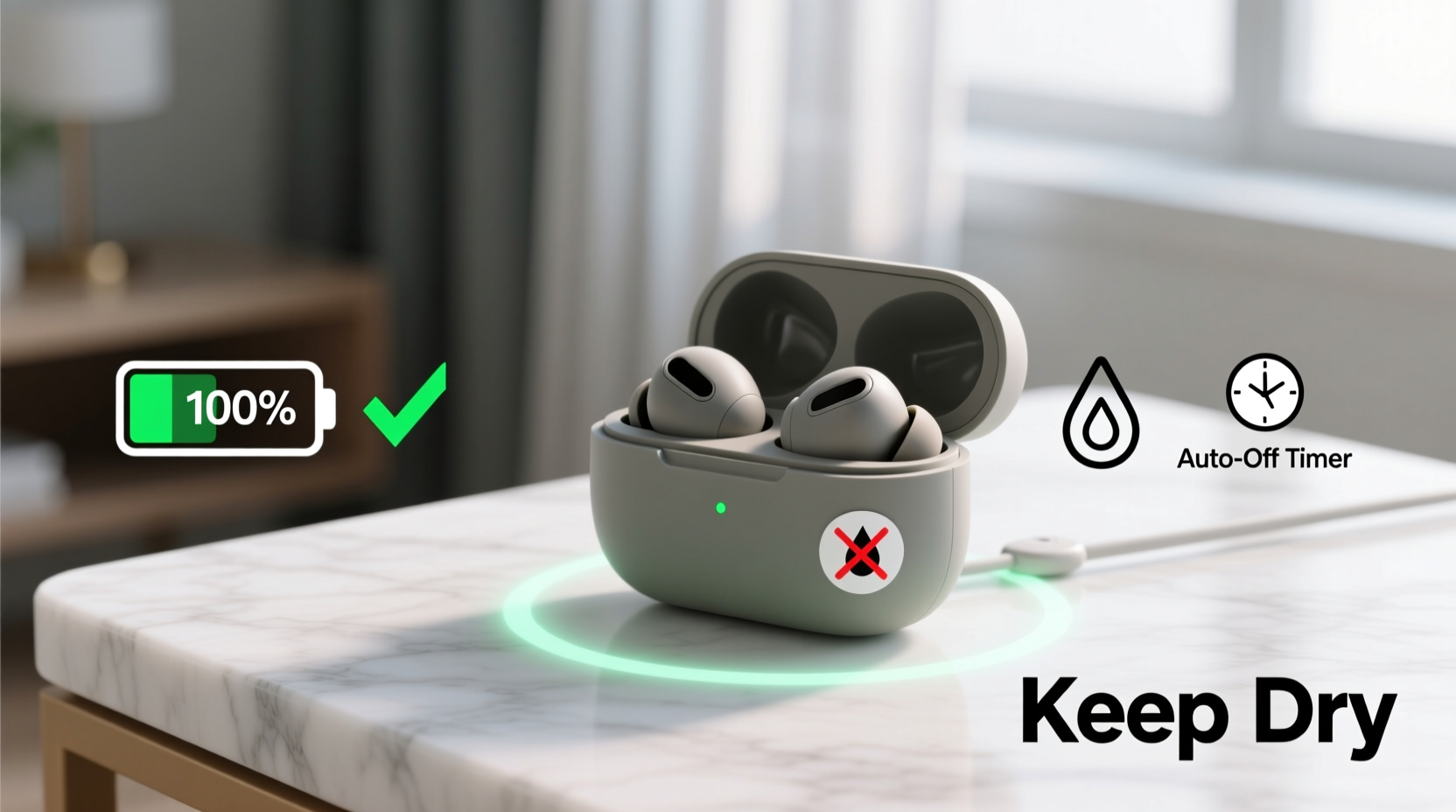
Dirt, earwax, and moisture are among the top causes of degraded sound quality and hardware failure in wireless earbuds. Over time, buildup around the speaker mesh can muffle audio or cause one side to stop working entirely. Regular cleaning prevents these issues and ensures consistent performance.
To clean effectively:
- Gently wipe the exterior with a microfiber cloth.
- Use a small, dry brush (like a clean toothbrush) to remove debris from speaker grilles.
- Avoid inserting sharp objects into mesh openings—this can damage internal components.
- Remove silicone ear tips and wash them separately with mild soap and water; let them dry completely before reattaching.
For deep cleaning, some manufacturers recommend specialized cleaning kits designed specifically for electronics. These often include safe tools that won’t scratch surfaces or compromise water resistance.
2. Charge Smartly to Preserve Battery Health
The lithium-ion batteries inside most Bluetooth earbuds degrade over time, especially when exposed to improper charging habits. While battery lifespan is finite, certain practices can slow deterioration and keep your earbuds performing optimally for longer.
“Battery longevity in portable devices hinges on avoiding full discharges and extreme temperatures.” — Dr. Alan Reyes, Electrical Engineer & Wearable Tech Analyst
Follow these guidelines to preserve battery health:
- Avoid letting the battery drain completely. Recharge before it hits 0%. Ideally, charge when levels drop to 20–30%.
- Don’t leave earbuds charging overnight. Overcharging stresses the battery and accelerates degradation.
- Use the original or certified charging case and cable. Third-party chargers may deliver inconsistent voltage, increasing risk of damage.
- Store with a partial charge if unused for extended periods. For long-term storage, aim for 50% battery to minimize chemical strain.
Battery Care Do’s and Don’ts
| Do’s | Don’ts |
|---|---|
| Charge between 20% and 80% | Leave in direct sunlight while charging |
| Use manufacturer-recommended accessories | Expose to high heat (e.g., car dashboard) |
| Turn off when not in use for long durations | Let battery sit at 0% for days |
| Store in a cool, dry place | Use fast chargers unless officially supported |
3. Protect Against Moisture and Environmental Damage
Even if your earbuds are rated IPX4 or higher for water resistance, they’re not immune to long-term exposure to sweat, humidity, or rain. Moisture can corrode internal circuits and degrade seals over time, reducing both functionality and safety.
After workouts or outdoor use:
- Wipe down each bud with a dry cloth.
- Open the charging case and let it air out to prevent condensation buildup.
- Never charge damp earbuds—wait until they are fully dry.
Avoid storing earbuds in humid environments like bathrooms or gym bags. Instead, keep them in a ventilated pouch or drawer where airflow helps prevent mold and corrosion.
4. Handle Storage and Physical Protection with Care
Physical impacts, pressure, and poor storage contribute heavily to mechanical failures. Dropping earbuds frequently can misalign internal wiring or crack housings. Storing them loosely in pockets or bags increases the chance of scratches, loss, or crushing.
Step-by-Step: Ideal Daily Storage Routine
- After use, wipe each earbud gently with a dry cloth.
- Ensure the charging contacts are free of debris.
- Place them securely in the case and close the lid.
- Store the case in a padded compartment or dedicated pocket.
- Keep away from heavy objects that could apply pressure.
Consider investing in a protective sleeve or hard-shell case for added durability during travel. This simple step prevents accidental drops and protects against dust ingress.
Mini Case Study: How Sarah Extended Her Earbuds’ Life by 18 Months
Sarah, a remote worker and frequent traveler, noticed her previous pair of earbuds failed after just 14 months—mainly due to battery decay and distorted sound. With her new pair, she implemented a strict maintenance routine: weekly cleaning, charging only when above 20%, and always storing in a cushioned case. She also avoided wearing them in humid climates without post-use drying. After two years, her earbuds still deliver crisp audio and hold 85% of their original battery capacity—far exceeding average user experience.
5. Optimize Usage Habits for Long-Term Performance
Your daily habits shape how long your earbuds last. Simple behavioral adjustments can reduce strain on hardware and software alike.
Usage Checklist for Maximum Longevity
- ✅ Turn off earbuds when not in active use (remove from ears and place in case).
- ✅ Lower volume to reduce driver stress and conserve power.
- ✅ Update firmware regularly through the manufacturer’s app to fix bugs and improve efficiency.
- ✅ Rotate between multiple pairs if available, giving each set rest periods.
- ✅ Use one earbud at a time for calls when possible to halve wear per unit.
Firmware updates often include optimizations for power management and connection stability. Ignoring these updates can lead to increased latency, dropped connections, and faster battery drain—all factors that shorten usable life.
Frequently Asked Questions
How long should Bluetooth earbuds last under normal conditions?
Most quality earbuds last between 1.5 to 3 years with regular use. Battery degradation is typically the limiting factor, though physical wear and water exposure can shorten this timeline significantly.
Can I replace the battery in my earbuds?
In most models, no. Batteries are sealed units soldered internally. Replacement requires professional disassembly and often voids warranties. Some brands offer trade-in or refurbishment programs instead.
Are expensive earbuds more durable than budget ones?
Not always. While premium models often feature better materials and IP ratings, durability depends more on usage patterns and maintenance. A well-cared-for $50 pair can outlast a neglected $200 model.
Conclusion
Prolonging the life of your Bluetooth earbuds doesn’t require complex tools or expertise—it demands consistency and attention to detail. From mindful charging to gentle cleaning and smart storage, each habit compounds over time to protect your investment. By treating your earbuds not just as disposable gadgets but as precision electronics, you unlock years of reliable performance and superior sound.




 浙公网安备
33010002000092号
浙公网安备
33010002000092号 浙B2-20120091-4
Comments
No comments yet. Why don't you start the discussion?