
Your car key is more than just a tool—it's a high-tech access point to one of your most valuable possessions. Modern key fobs contain delicate electronics, microchips, and radio transmitters that can be easily damaged by impact, moisture, or electromagnetic interference. One often-overlooked factor in key longevity is the keychain itself. The wrong choice can accelerate wear, increase breakage risk, and even compromise signal strength. Choosing and using the right keychain isn’t just about style; it’s a practical step toward extending your key’s lifespan and avoiding expensive replacements.
Why Keychain Choice Matters More Than You Think
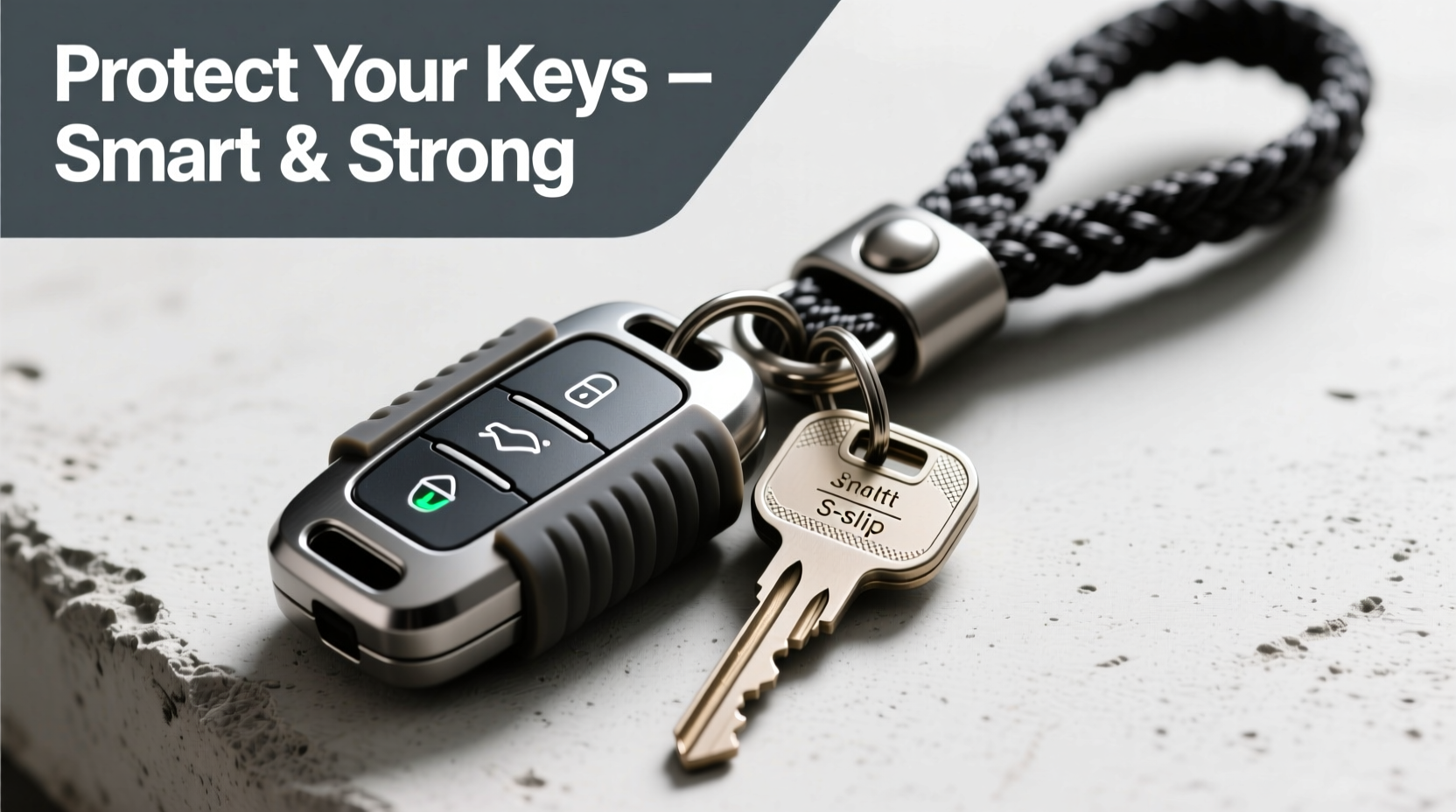
Most drivers attach their keys to a ring without considering long-term consequences. Over time, jangling metal-on-metal contact can crack plastic casings, loosen internal components, or damage the circuit board inside key fobs. Heavy or bulky keychains add stress to the keyring hole, which on many modern keys is made from relatively thin plastic or weak alloy. Drop your keys? That impact is amplified when extra weight swings on impact, increasing the chance of internal damage.
Additionally, some materials used in decorative keychains—like magnetic clips or metallic alloys—can interfere with the fob’s wireless signal. A weakened signal means failed remote unlocks, inconvenient delays, or complete failure when you need access most.
“Over 30% of premature key fob failures we see are linked not to manufacturing defects, but to physical stress caused by poor keychain choices.” — Mark Reynolds, Automotive Electronics Technician, Precision Auto Diagnostics
Selecting the Right Keychain: A Practical Guide
The ideal keychain balances function, protection, and convenience. It should secure your key without adding unnecessary strain or risk. Here’s how to choose wisely:
- Material: Opt for soft silicone sleeves or fabric loops instead of rigid metal rings. Silicone absorbs shock and reduces friction.
- Weight: Keep total attached weight under 2 ounces. Every added charm or tool increases leverage during drops.
- Design: Use low-profile connectors like split rings with smooth edges. Avoid lobster clasps near other keys—they can scratch surfaces.
- Shielding: Consider RFID-blocking key pouches if your fob uses passive entry. These reduce relay attacks and physical exposure.
Keychain Comparison: Do’s and Don’ts
| Keychain Type | Pros | Cons | Recommended? |
|---|---|---|---|
| Standard Steel Split Ring | Durable, widely available | Causes scratches, adds noise, no shock absorption | No |
| Silicone Protective Sleeve | Shock-absorbing, weather-resistant, quiet | Limited attachment options | Yes |
| Leather Loop with Snap | Stylish, lightweight, reduces jingle | Can degrade over time with moisture | Yes (with care) |
| Magnetic Clip Keychain | Easy access, sleek design | Risk of interfering with fob signal, sudden release | No |
| Multi-tool Integrated Chain | Functional in emergencies | Excessive weight, sharp edges, prone to damage | No |
Step-by-Step: How to Safely Attach and Maintain Your Keychain
Even the best keychain can cause harm if improperly installed. Follow this sequence to ensure maximum protection:
- Inspect your key fob: Check for cracks, loose buttons, or signs of prior impact before attaching anything new.
- Choose a protective base layer: Slide the fob into a form-fitting silicone sleeve designed for your model (e.g., Toyota Smart Key, Ford SecuriLock).
- Select a lightweight connector: Use a small brass split ring or a nylon-reinforced loop. Avoid forcing the fob onto oversized rings.
- Limit additional attachments: If carrying other keys, use a secondary ring that doesn’t connect directly to the fob.
- Test functionality: After assembly, test lock/unlock functions at various distances to confirm signal integrity.
- Monthly maintenance: Remove the fob from the chain monthly to inspect for hidden wear, clean contacts, and check battery level.
A Real-Life Example: The Cost of a Noisy Keychain
Consider the case of Daniel M., a sales manager in Austin, Texas. He used a heavy chrome keychain with his BMW key fob, including a branded bottle opener and a metal logo tag. Within nine months, he began experiencing inconsistent remote start performance. At first, he assumed the issue was environmental. But after dropping his keys once—onto concrete—the fob stopped working entirely. Diagnosis at the dealership revealed cracked solder joints on the internal circuit board, likely due to cumulative vibration and impact. Replacement cost: $485. Had he used a lighter, cushioned setup, the outcome might have been different.
This scenario is common. Technicians report that vehicles with push-button ignition systems are especially vulnerable because their fobs are carried daily and exposed to constant motion.
Essential Checklist for Key Protection
- ✅ Use a silicone or rubber protective sleeve around the fob
- ✅ Limit total keychain weight to under 2 oz
- ✅ Avoid magnetic or metal-heavy accessories
- ✅ Separate mechanical keys from electronic fobs when possible
- ✅ Store spare key in a shielded pouch away from electronics
- ✅ Test fob range monthly to detect early signal degradation
- ✅ Replace worn batteries before they leak
Frequently Asked Questions
Can my phone interfere with my car key fob through the keychain?
Not directly through the keychain, but storing your fob in the same pocket or bag as your smartphone—especially newer models with strong NFC or wireless charging—can cause signal interference. This is more pronounced if both devices are enclosed in metal-lined cases or connected via conductive materials. To prevent issues, keep them separated when possible.
Are key fob covers worth it?
High-quality, custom-fit covers made from flexible silicone are absolutely worth it. They protect against drops, spills, and everyday abrasion. However, cheap universal plastic shells can trap moisture, press on buttons unintentionally, or block signals. Choose breathable, precisely molded options specific to your vehicle make and model.
How often should I replace my keychain or fob sleeve?
Inspect every three months. Replace the sleeve if it shows signs of hardening, cracking, or discoloration. Even durable materials degrade due to UV exposure and skin oils. A keychain should be replaced if the metal shows fatigue, rust, or deformation at stress points.
Final Thoughts: Small Changes, Long-Term Savings
Protecting your car key isn’t about overcaution—it’s about smart prevention. The average replacement cost for a modern key fob ranges from $250 to over $600, not including programming fees. By simply switching to a thoughtful keychain system, you drastically reduce the risk of accidental damage. Think of it as affordable insurance: a $12 silicone sleeve could save you hundreds down the road.
Maintaining your keys also supports vehicle security and convenience. A well-protected fob performs reliably, resists hacking attempts, and lasts longer. In an era where cars rely on digital access, treating your key with care is part of responsible ownership.




 浙公网安备
33010002000092号
浙公网安备
33010002000092号 浙B2-20120091-4
Comments
No comments yet. Why don't you start the discussion?