
Plush backpacks have surged in popularity for their cozy texture, vibrant designs, and comforting appeal—especially among students, travelers, and fashion-forward individuals. However, their soft, often synthetic fabric makes them vulnerable to stains, matting, and wear. Unlike standard nylon or canvas bags, plush materials require a tailored approach to cleaning and protection. With the right habits and tools, you can preserve both the appearance and tactile comfort of your favorite plush backpack for years.
Understanding Plush Fabric: Why It’s Different
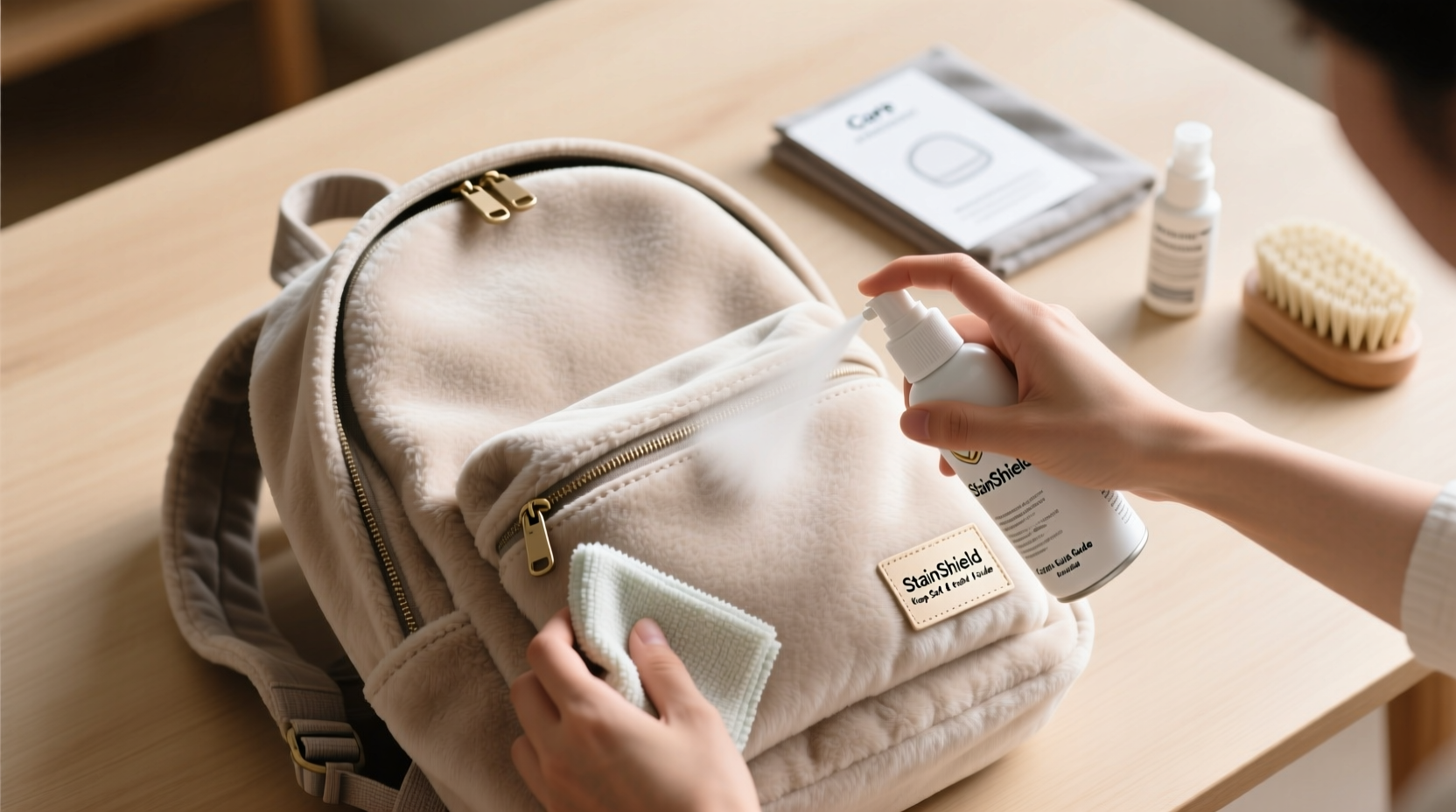
Most plush backpacks are made from polyester-based fleece, sherpa, or faux fur—materials engineered to mimic the softness of wool or animal fur. These fabrics trap air, giving them their signature fluffiness, but they also attract lint, oils, and spills more readily than smoother textiles. The loops and fibers in plush material easily hold onto dirt and liquids, which can lead to permanent staining if not addressed promptly.
The structure of these fabrics also means that aggressive scrubbing or improper washing can cause pilling, flattening, or fraying. Heat exposure can melt synthetic fibers, while harsh detergents strip natural oils from treated fabrics, leaving them brittle. Recognizing these sensitivities is the first step toward effective maintenance.
“Plush isn’t just about aesthetics—it’s a functional textile that needs gentle handling. Think of it like caring for a high-quality sweater rather than a gym bag.” — Lena Torres, Textile Care Consultant
Preventative Measures to Minimize Stains
Prevention is the most effective strategy when it comes to keeping plush backpacks clean. Because once a stain sets into the dense fibers, removal becomes significantly harder—even with proper cleaning methods.
A water- and oil-repellent fabric guard designed for synthetic textiles can make a dramatic difference. These sprays coat individual fibers without altering the texture, allowing liquids to bead up and roll off instead of soaking in. Reapply every 4–6 weeks, especially after cleaning.
Another smart habit is using interior liners or small pouches for items that commonly leak—like water bottles, makeup, or snacks. Even a simple ziplock bag around a juice box prevents disaster during transit. Avoid placing food or drinks directly into the main compartment.
Daily Habits That Make a Difference
- Wipe down high-contact areas (straps, zippers, bottom panel) weekly with a dry microfiber cloth.
- Avoid sitting on the backpack, especially on dirty surfaces.
- Keep nails trimmed to prevent snagging delicate fibers.
- Rotate backpacks regularly to reduce continuous wear on one item.
Step-by-Step Guide to Safe Cleaning
When spills happen, immediate action is crucial. But how you respond matters just as much as speed. Follow this timeline to clean your plush backpack effectively without damaging its texture.
- Blot Immediately: Use a clean, absorbent cloth to gently blot (not rub) liquid spills. Rubbing pushes the substance deeper into the fibers.
- Identify the Stain: Grease, ink, food, and drink stains each require different treatments. Avoid universal “magic” cleaners.
- Pretreat Gently: For organic stains (food, sweat), mix a solution of one part white vinegar to three parts cool water. Dab lightly with a cotton ball.
- Spot Clean: Use a soft-bristled brush (like a toothbrush) dipped in mild detergent diluted in cold water. Work in small circular motions only on the affected area.
- Rinse Locally: Wipe with a damp cloth using plain cold water to remove soap residue.
- Air Dry Flat: Never wring or hang the backpack to dry. Place it on a drying rack away from direct sunlight or heat sources.
- Fluff the Fibers: Once completely dry, use a pet slicker brush or wide-tooth comb to gently lift matted areas and restore softness.
Do’s and Don’ts: Maintenance Comparison Table
| Do’s | Don’ts |
|---|---|
| Use cold water for spot cleaning | Use hot water—it can set stains and shrink fibers |
| Apply fabric protector monthly | Iron or steam the plush surface |
| Store in a breathable cotton bag | Store in plastic bins—trapped moisture causes mildew |
| Brush fibers weekly to maintain loft | Use bleach or ammonia-based cleaners |
| Vacuum lightly with upholstery attachment | Submerge the entire backpack unless necessary |
Real-Life Scenario: A Student’s Backpack Rescue
Sophia, a college sophomore, spilled coffee on her pastel pink plush backpack during a rushed morning. Initially discouraged, she followed a careful cleaning process: first blotting with a napkin, then applying a vinegar-water solution, and finally spot-cleaning with baby shampoo (known for its mild formula). She let it dry overnight near a fan—not under a heater—and used a hair conditioner-dampened brush to revive flattened fur. After two days, the stain was gone, and the texture returned to near-original softness. Her mistake? Waiting too long to reapply fabric guard. After that, she made it a habit to refresh the spray monthly.
This case illustrates that even severe-looking stains aren’t always permanent—if treated correctly and early.
Long-Term Softness Preservation Techniques
Maintaining softness goes beyond stain removal. Over time, friction, compression, and environmental exposure can compact plush fibers, making them feel stiff or rough.
To counteract this, incorporate regular grooming into your routine. Just as brushing hair distributes natural oils and prevents tangles, brushing plush fabric lifts compressed fibers and restores volume. Use a pet de-shedding tool or a fabric comb once a week, always brushing in the direction of the fiber grain.
Storage plays a critical role too. Avoid stacking heavy items on top of your backpack. Instead, store it upright or padded with tissue paper to help it retain shape. Keep it in a cool, dry closet—ideally inside a breathable cotton garment bag—to shield it from dust and light without trapping humidity.
“Proper storage is 50% of fabric longevity. A plush backpack left crumpled in a corner will lose its bounce faster than one given space to breathe.” — Marcus Lin, Sustainable Fashion Technician
Checklist: Monthly Backpack Care Routine
- ✅ Inspect for stains or scuffs
- ✅ Spot clean any soiled areas
- ✅ Lightly brush surface to restore fluffiness
- ✅ Vacuum interior pockets and seams
- ✅ Reapply fabric protector spray
- ✅ Check zippers and straps for wear
- ✅ Air out in a shaded, ventilated area
Frequently Asked Questions
Can I put my plush backpack in the washing machine?
Only if the manufacturer’s label confirms it’s safe. If so, place it in a mesh laundry bag, use cold water on the gentle cycle, and avoid the dryer. Most experts recommend hand-cleaning to preserve texture and color.
What should I do if the plush gets matted?
Gently detangle with a wide-tooth comb or pet slicker brush. For stubborn mats, apply a small amount of diluted fabric conditioner to soften fibers before brushing. Never cut mats with scissors—you risk cutting the backing fabric.
How can I remove odors without washing?
Place the backpack in a sealed container with an open box of baking soda for 24 hours. Alternatively, lightly mist with a mixture of water and a few drops of essential oil (like lavender or tea tree), then air dry. Avoid perfumed sprays—they can leave residues that attract dirt.
Final Thoughts: Care That Reflects Your Style
Your plush backpack is more than a practical accessory—it’s a statement of personality and comfort. Protecting it from stains and preserving its softness isn’t just about cleanliness; it’s about respecting the craftsmanship and design that went into it. By integrating simple, consistent habits—prompt spot treatment, regular brushing, smart storage, and protective sprays—you extend not only its lifespan but also its joy factor.




 浙公网安备
33010002000092号
浙公网安备
33010002000092号 浙B2-20120091-4
Comments
No comments yet. Why don't you start the discussion?