
Rebuilding credit isn’t an overnight process, but it is entirely achievable with discipline, consistency, and the right approach. Whether you’ve faced financial hardship, missed payments, or accumulated high balances, your credit score doesn’t define your future. With strategic planning and informed decisions, you can restore your creditworthiness and open doors to better interest rates, loan approvals, and financial opportunities.
This guide breaks down the most effective methods into clear, actionable steps—backed by financial experts and real-world experience—to help you regain control of your financial standing.
Understand Your Current Credit Situation
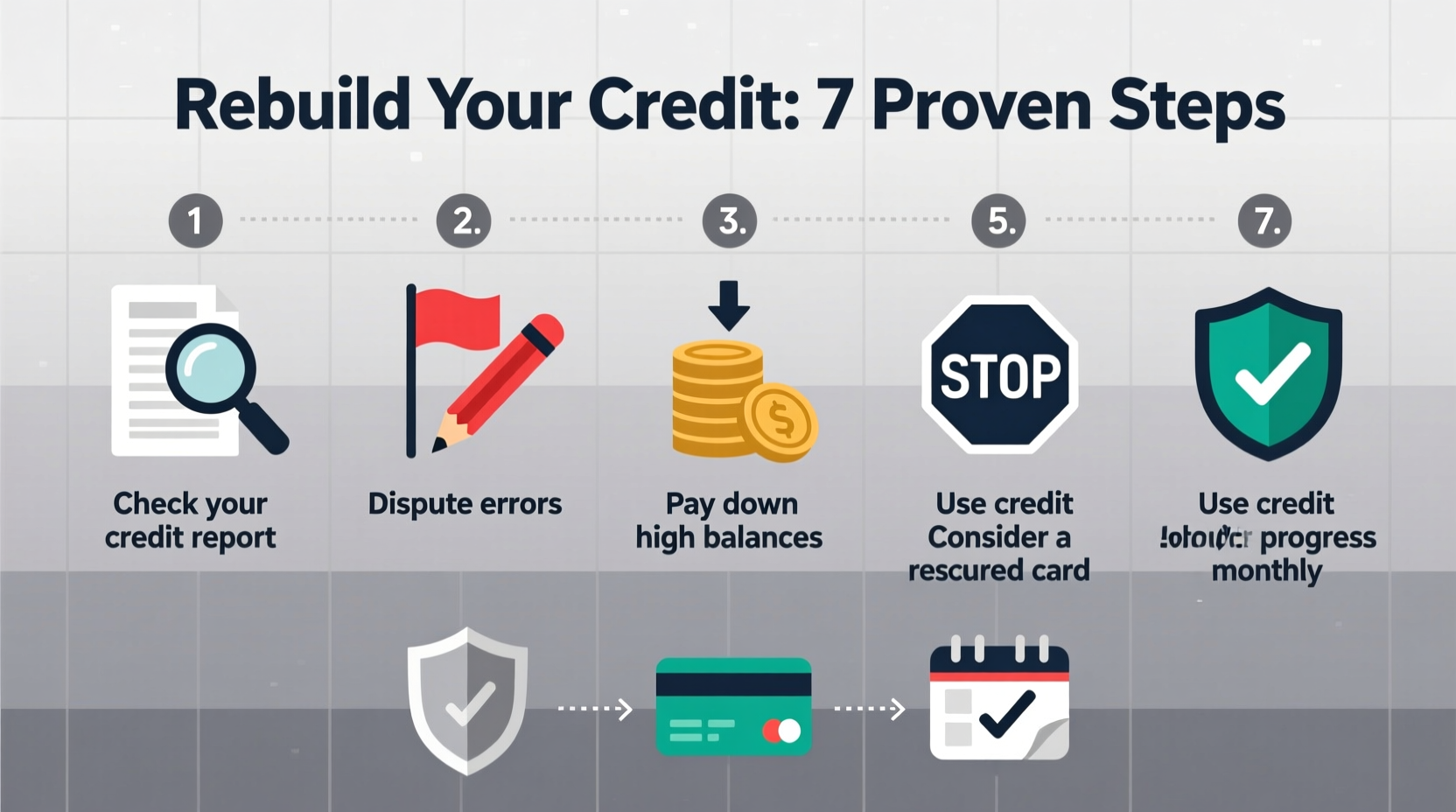
The first step in rebuilding your credit is gaining a complete understanding of where you stand. Many people assume their credit is poor without reviewing the actual details. You may have inaccuracies on your report or outdated negative items that no longer impact your score as much as you think.
Start by obtaining your credit reports from all three major bureaus: Equifax, Experian, and TransUnion. You’re entitled to one free report per year from each at AnnualCreditReport.com. Review them carefully for errors such as:
- Inaccurate late payments
- Duplicate accounts
- Fraudulent accounts opened in your name
- Incorrect personal information
If you find errors, dispute them immediately with the respective bureau. The Fair Credit Reporting Act (FCRA) requires them to investigate within 30 days.
Step-by-Step Plan to Rebuild Your Credit
Recovery is not about quick fixes—it’s about building sustainable habits. Follow this timeline-based strategy to steadily improve your credit profile over time.
- Month 1: Assess & Dispute – Pull your credit reports, identify errors, and file disputes. Create a budget to understand cash flow and prioritize debt obligations.
- Months 2–3: Establish Payment Consistency – Set up automatic payments for existing bills and debts to avoid further late marks. Begin using a secured credit card responsibly.
- Months 4–6: Reduce Credit Utilization – Focus on paying down revolving balances. Aim to keep usage below 30%, ideally under 10% of your total limit.
- Months 7–12: Diversify Credit Mix – Consider a credit-builder loan or becoming an authorized user on someone else’s well-managed account.
- Year 2+: Maintain & Monitor – Continue responsible behavior. Check your credit every few months and track progress toward your goals.
“Payment history makes up 35% of your FICO score. One of the fastest ways to rebuild trust with lenders is consistent, on-time payments—even small ones.” — Lisa Johnson, Certified Financial Counselor
Key Strategies That Work
1. Use a Secured Credit Card Wisely
A secured credit card requires a cash deposit that becomes your credit limit. It’s ideal for those with limited or damaged credit because issuers are more likely to approve applicants. The key is to use it lightly and pay it off in full each month.
2. Pay Down High Balances Strategically
High credit utilization drags down your score. Two popular payoff methods include:
- Debt Snowball: Pay off smallest balances first for psychological wins.
- Debt Avalanche: Target highest-interest debts first to save money long-term.
3. Become an Authorized User
If a family member or close friend has a long-standing account with excellent payment history and low utilization, ask to be added as an authorized user. Their positive history can reflect on your credit report—provided the issuer reports authorized user activity (not all do).
4. Explore Credit-Builder Loans
Offered by credit unions and community banks, these loans hold funds in a savings account while you make monthly payments. Once paid in full, you receive the money. Payments are reported to credit bureaus, helping build history.
Do’s and Don’ts of Credit Rebuilding
| Do | Don't |
|---|---|
| Make at least the minimum payment on time every month | Miss any payment, even by a few days |
| Keep credit card balances below 30% of the limit | Max out your cards or carry high revolving debt |
| Check your credit report annually for errors | Ignore discrepancies or assume they’ll fix themselves |
| Use tools like autopay and reminders | Rely solely on memory or irregular payment habits |
| Build an emergency fund to avoid future debt spikes | Live paycheck to paycheck without a financial buffer |
Real Example: How Maria Rebuilt Her Score in 18 Months
Maria, a 34-year-old teacher, found herself with a 580 credit score after medical debt and job loss led to missed payments. Determined to qualify for a car loan, she took action:
- She disputed two incorrect collections on her report—both were removed within six weeks.
- She opened a secured credit card with a $500 limit and used it only for a small monthly subscription.
- She set up automatic payments and never carried a balance beyond 20% of the limit.
- She enrolled in a $1,000 credit-builder loan through her local credit union, paying $88/month for 12 months.
Within 18 months, Maria’s score rose to 692. She was approved for a reliable used car with a 5.9% APR—down from the 14%+ she’d been quoted initially.
“Maria’s success wasn’t magic—it was consistency. She made on-time payments across three different types of credit, kept utilization low, and corrected errors early.” — James Reed, Credit Recovery Advisor
Essential Checklist for Rebuilding Credit
Follow this checklist to stay on track:
- ✅ Obtain free credit reports from all three bureaus
- ✅ Dispute any inaccuracies or fraudulent entries
- ✅ Set up automatic payments for all bills and debts
- ✅ Apply for a secured credit card or credit-builder loan
- ✅ Keep credit utilization under 30%
- ✅ Avoid closing old accounts (they help length of credit history)
- ✅ Monitor your credit score monthly
- ✅ Build a small emergency fund to prevent relapse into debt
Frequently Asked Questions
How long does it take to rebuild credit?
It depends on the severity of past issues. Late payments stay on your report for seven years, but their impact diminishes over time. With consistent effort, most people see noticeable improvement within 6–12 months and significant gains within 18–24 months.
Will paying off collections improve my score immediately?
Not always. While paying off collections is financially responsible, older scoring models like FICO 8 don’t penalize paid collections. However, some lenders may still view unpaid collections negatively. The best approach is to negotiate a “pay-for-delete” agreement before paying, if possible.
Can I rebuild credit without a credit card?
Yes. Alternatives include credit-builder loans, rent reporting services (like Experian Boost), utility bill reporting, and being added as an authorized user. These methods can establish positive payment history without requiring a traditional card.
Take Control of Your Financial Future
Rebuilding your credit is one of the most empowering financial moves you can make. It’s not about erasing the past—it’s about creating a stronger, more resilient financial foundation moving forward. Every on-time payment, every reduced balance, and every smart decision compounds over time.
You don’t need perfection—just persistence. Start today with one small step: pull your credit report, set up a single autopay, or apply for a secured card. Progress builds momentum. Before long, you’ll look back with pride at how far you’ve come—and forward with confidence toward greater financial freedom.




 浙公网安备
33010002000092号
浙公网安备
33010002000092号 浙B2-20120091-4
Comments
No comments yet. Why don't you start the discussion?