
When illness strikes, the body enters a state of heightened defense. Whether it’s a common cold, flu, or lingering fatigue, how you respond in the first 24–48 hours can significantly influence recovery time. Rather than waiting passively for symptoms to fade, proactive care accelerates healing, reduces complications, and strengthens long-term immunity. This guide outlines evidence-based approaches that go beyond rest and fluids—combining medical insight with lifestyle adjustments to help you bounce back faster and emerge healthier.
1. Prioritize Rest and Sleep Quality
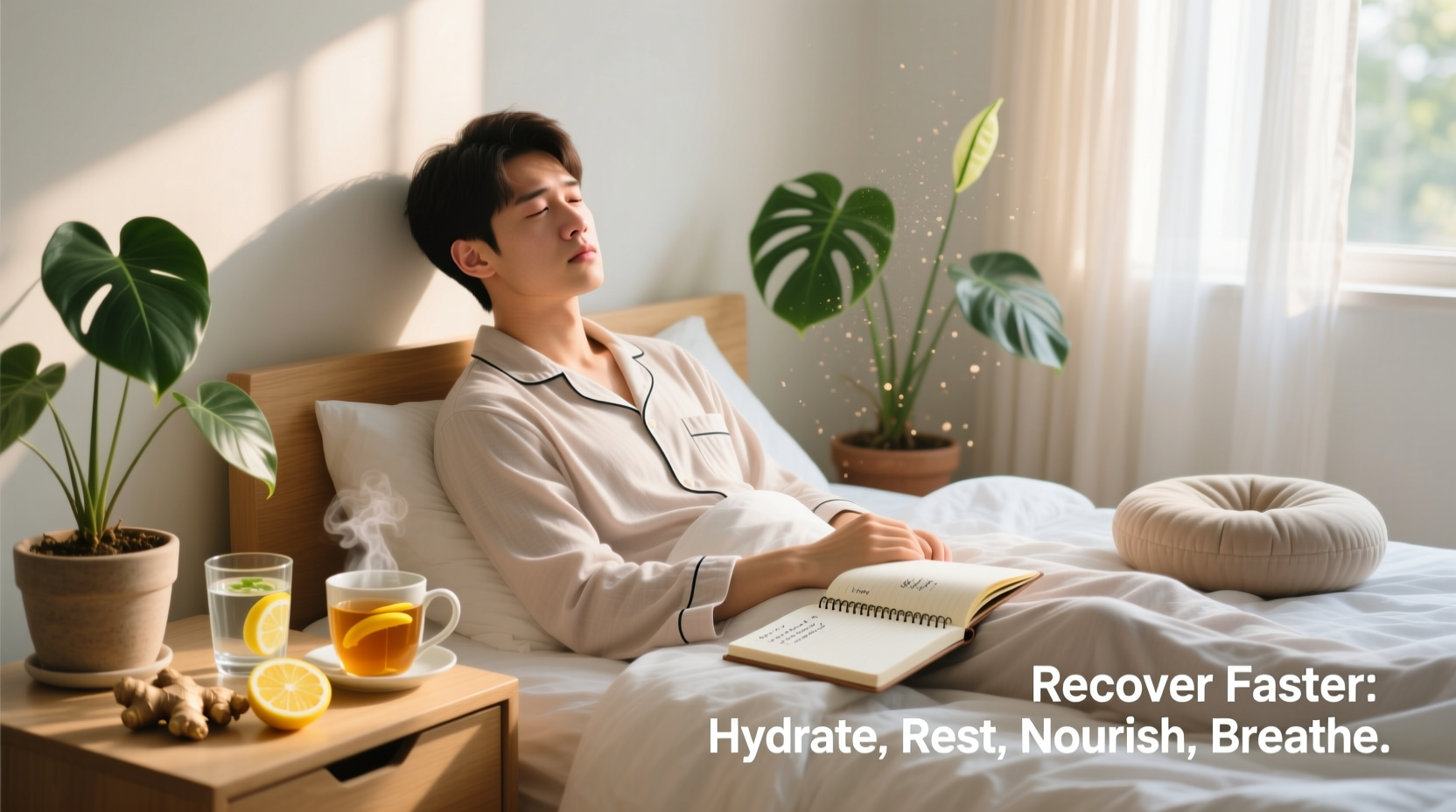
Sleep is not downtime—it’s when the immune system regenerates. During deep sleep, cytokines (proteins that target infection) are produced and released. Disrupting this process slows recovery. When sick, aim for 8–10 hours of uninterrupted sleep per night. Create an environment conducive to rest: keep the room cool, dark, and quiet. Consider using earplugs or white noise if needed.
Avoid screens at least one hour before bedtime. Blue light from phones and tablets suppresses melatonin, delaying sleep onset. Instead, read a physical book or practice gentle breathing exercises to wind down.
2. Hydrate Strategically, Not Just Frequently
Hydration supports mucous clearance, maintains blood volume, and aids cellular repair. But not all fluids are equal when recovering. Water remains essential, but electrolyte balance becomes critical during fever, sweating, or gastrointestinal symptoms.
| Fluid Type | Best For | Caution |
|---|---|---|
| Water | General hydration, mild symptoms | May lack electrolytes during heavy sweating |
| Coconut water | Natural electrolyte replenishment | High in sugar—dilute with water |
| Broth or bone broth | Sodium, potassium, and protein support | Choose low-sodium options if hypertensive |
| Herbal teas (ginger, chamomile) | Soother for sore throat, digestion | Avoid caffeine-heavy teas like black tea |
Sip fluids throughout the day rather than consuming large amounts at once. This ensures steady absorption and prevents nausea.
3. Optimize Nutrition to Fuel Immune Function
Eating may feel unappealing when sick, but skipping meals deprives the body of nutrients crucial for recovery. Focus on easily digestible, nutrient-dense foods rich in vitamins A, C, D, zinc, and antioxidants.
- Chicken soup: Reduces inflammation and provides hydration, protein, and minerals.
- Citrus fruits: High in vitamin C, though supplements offer limited benefit unless deficient.
- Garlic and onions: Contain allicin, which has antimicrobial properties.
- Yogurt with live cultures: Supports gut health, where 70% of the immune system resides.
- Oats and bananas: Gentle on the stomach and provide energy and potassium.
“Malnutrition—even short-term—can impair immune cell production. Even mild illness requires increased nutritional support.” — Dr. Lena Patel, Immunology Researcher, Johns Hopkins Medicine
Mini Case Study: Recovering from the Flu Faster
Mark, a 34-year-old teacher, developed flu symptoms on a Monday morning. Instead of pushing through work, he took two full days off, slept 9–10 hours nightly, drank warm ginger-lemon tea hourly, and ate small portions of chicken soup and steamed vegetables every few hours. By Thursday, his fever had broken, congestion improved, and energy returned. His colleagues who “toughed it out” at work reported symptoms lasting over a week. Mark’s early intervention reduced his illness duration by nearly 50%.
4. Use Targeted Supplements Wisely
While whole foods should be the foundation, certain supplements can support recovery when used appropriately. The key is timing, dosage, and avoiding unnecessary combinations.
Zinc lozenges (13–23 mg every 2–3 hours) may shorten colds by inhibiting viral replication. Vitamin D, especially in winter months, supports immune modulation—levels below 30 ng/mL are linked to higher infection risk. Elderberry syrup has shown modest benefits in reducing flu severity in clinical trials, though caution is advised for autoimmune conditions.
Do not megadose. Excessive vitamin C (>2,000 mg/day) causes diarrhea. Too much zinc (>40 mg/day) can impair copper absorption and weaken immunity over time.
5. Step-by-Step Recovery Timeline (First 72 Hours)
The initial phase of illness sets the tone for recovery. Follow this timeline to maximize healing:
- Hour 0–12 (Symptom Onset): Assess severity. If fever, chills, or fatigue appear, begin rest immediately. Take temperature, hydrate, and consider starting zinc or elderberry if appropriate.
- Hour 12–24: Prioritize sleep. Eat light, nourishing meals. Avoid alcohol, sugar, and processed foods. Use saline nasal spray or steam inhalation for congestion.
- Day 2: Monitor symptoms. If fever persists beyond 101.5°F (38.6°C), consult a healthcare provider. Continue hydration and rest. Gentle movement like stretching can improve circulation.
- Day 3: Evaluate progress. Improvement should be noticeable. If symptoms worsen—difficulty breathing, chest pain, confusion—seek medical attention promptly.
Checklist: What to Do When You Feel Sick
- ✅ Stay home and rest—don’t wait until exhaustion hits
- ✅ Drink fluids every 30–60 minutes
- ✅ Eat small, frequent meals rich in protein and vitamins
- ✅ Take zinc within first 24 hours (if no allergy)
- ✅ Use humidifier or steam to ease congestion
- ✅ Wash hands frequently to prevent spreading germs
- ✅ Track symptoms daily (fever, cough, energy level)
- ✅ Call doctor if high fever lasts >3 days or breathing becomes difficult
Common Myths That Slow Recovery
Misinformation often prolongs illness. Here are three widespread myths:
- “Feed a cold, starve a fever”: False. Both require consistent nutrition. Skipping food weakens immune response.
- “Antibiotics will help a cold”: No. Colds are viral; antibiotics only treat bacterial infections and misuse leads to resistance.
- “Sweating out a fever works”: Dangerous. Overheating can lead to dehydration and worsen symptoms. Let the fever run its course safely.
FAQ
Should I exercise when I’m sick?
If symptoms are above the neck (runny nose, sore throat) and no fever, light walking may be okay. But if you have chest congestion, fatigue, or fever, rest completely. Exercising under stress increases cortisol and delays healing.
Can stress make me sicker?
Yes. Chronic stress elevates cortisol, which suppresses immune function. People under high stress report longer illness duration and more frequent infections. Managing stress through meditation or deep breathing supports recovery.
How can I prevent getting sick so often?
Focus on prevention: wash hands regularly, get 7–8 hours of sleep nightly, manage stress, stay up-to-date on vaccines, and maintain vitamin D levels. Regular moderate exercise also boosts immune surveillance.
Conclusion: Heal Smarter, Not Harder
Recovering from illness isn’t just about waiting—it’s an active process of supporting your body’s natural defenses. By prioritizing sleep, hydrating wisely, eating immune-supportive foods, and acting early with targeted strategies, you can shorten the duration of sickness and reduce its impact. These practices don’t just help you recover faster—they build resilience for the future.




 浙公网安备
33010002000092号
浙公网安备
33010002000092号 浙B2-20120091-4
Comments
No comments yet. Why don't you start the discussion?