
Waking up to a swollen, red pimple can be frustrating—especially when it's painful or prominently placed. While acne is a common skin condition, the urgency of reducing inflammation and discomfort often leads people to reach for quick fixes that may do more harm than good. The key to fast relief lies in understanding the causes of pimple swelling and applying targeted, gentle interventions that calm the skin without aggravating it further. This guide outlines proven techniques backed by dermatology and skincare science to help you reduce swelling, minimize redness, and support healing—safely and effectively.
Understanding Pimple Swelling and Skin Irritation
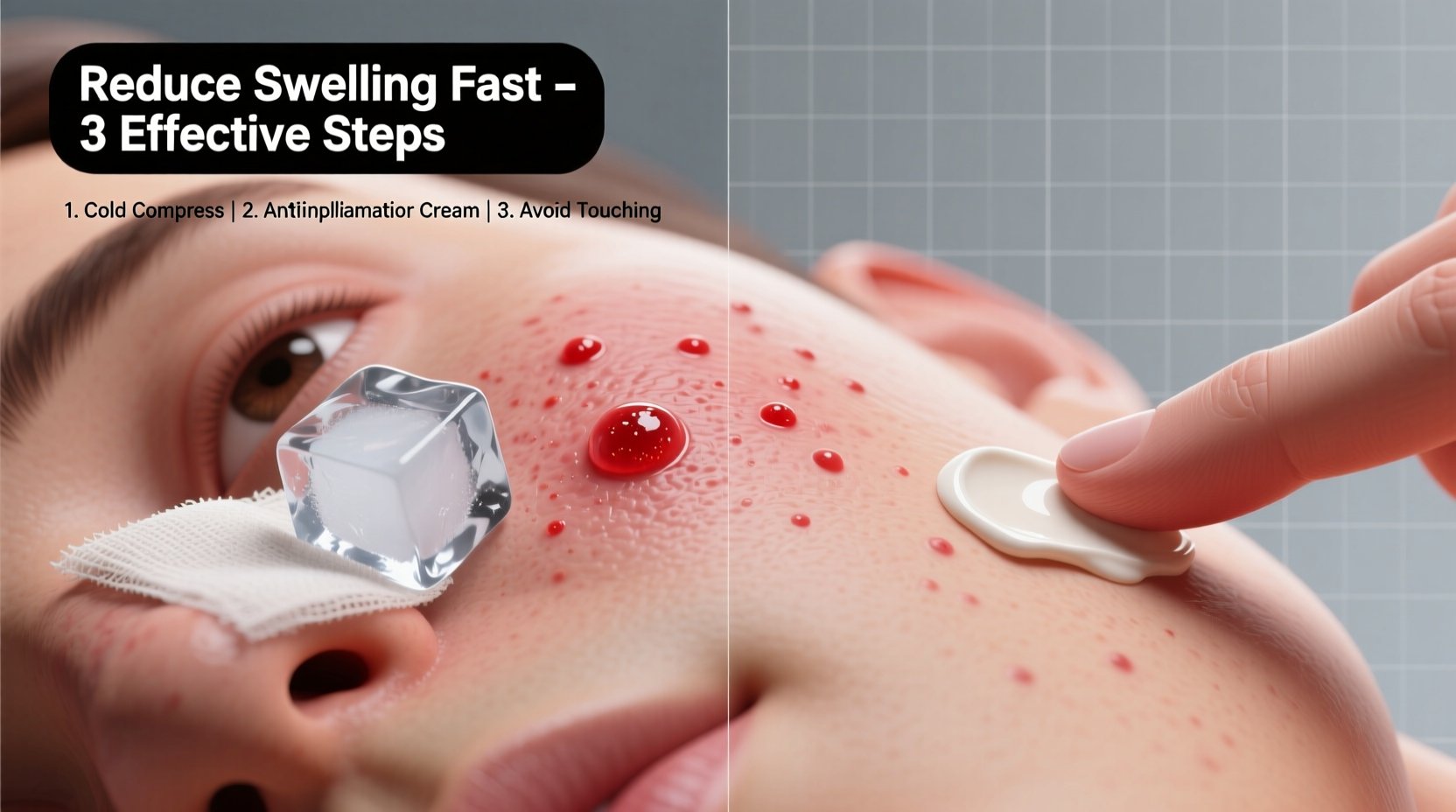
Pimple swelling occurs when the hair follicle becomes clogged with oil, dead skin cells, and bacteria—primarily *Cutibacterium acnes*. This triggers an immune response, causing localized inflammation. Blood flow increases to the area, leading to redness, warmth, and tenderness. Inflammatory acne, such as papules and pustules, is especially prone to noticeable swelling.
The severity of irritation depends on several factors: skin type, bacterial load, hormonal fluctuations, and external behaviors like picking or using harsh products. Aggravating the area worsens inflammation and increases the risk of post-inflammatory hyperpigmentation or scarring.
Dermatologists emphasize that early intervention is crucial. Addressing a pimple at the first sign of swelling can prevent it from maturing into a larger, more painful lesion.
“Treating acne inflammation promptly reduces both discomfort and long-term skin damage. Gentle, consistent care yields better results than aggressive treatments.” — Dr. Lena Patel, Board-Certified Dermatologist
Immediate At-Home Remedies to Reduce Swelling
You don’t need a dermatologist visit or prescription to start calming a swollen pimple. Several accessible methods can deliver visible improvement within hours.
Cold Compress Therapy
Applying cold to the affected area constricts blood vessels, which reduces redness and swelling. Wrap a few ice cubes in a clean cloth and apply for 5–10 minutes. Repeat every few hours as needed. Never apply ice directly to the skin—it can cause frostbite or worsen irritation.
Spot Treatment with Benzoyl Peroxide or Tea Tree Oil
Benzoyl peroxide (2.5%–5%) kills acne-causing bacteria and helps clear pores. Apply a pea-sized amount directly to the pimple using a cotton swab. Tea tree oil, diluted to 5% with a carrier oil like jojoba, offers natural antimicrobial and anti-inflammatory benefits. Studies show it can be as effective as benzoyl peroxide with less irritation.
Aloe Vera Gel Application
Aloe vera contains compounds like glycoproteins and polysaccharides that accelerate healing and reduce inflammation. Use pure, fragrance-free aloe gel directly on the pimple. Its cooling effect also provides immediate soothing relief.
Step-by-Step Guide: Calming a Swollen Pimple Overnight
Follow this practical timeline to see significant improvement by morning:
- Evening Cleansing: Wash your face with a gentle, non-comedogenic cleanser. Avoid scrubs or alcohol-based toners.
- Tone (Optional): Use a hydrating toner with ingredients like witch hazel (alcohol-free) or niacinamide to balance pH.
- Spot Treatment: Dab a thin layer of 2.5% benzoyl peroxide or diluted tea tree oil onto the pimple.
- Hydrate: Apply a lightweight, non-comedogenic moisturizer to maintain the skin barrier.
- Soothing Mask (Optional): Leave a thin layer of aloe vera gel or a hydrocolloid patch on overnight.
- Morning Routine: Rinse gently, reapply spot treatment if needed, and use sunscreen—irritated skin is more vulnerable to UV damage.
This routine supports the skin’s natural repair process while minimizing disruption. Consistency over one night can visibly flatten a pimple and reduce redness.
Do’s and Don’ts: What to Avoid When Treating Swollen Pimples
Common habits can unknowingly prolong healing. Refer to this table to make informed choices:
| Do’s | Don’ts |
|---|---|
| Use non-comedogenic, fragrance-free products | Apply heavy makeup or occlusive foundations over active pimples |
| Wash hands before touching your face | Pick, pop, or squeeze inflamed pimples |
| Change pillowcases every 3–4 days | Use expired or shared skincare tools |
| Apply sunscreen daily, even indoors | Overuse exfoliants or multiple acne treatments simultaneously |
| Stay hydrated and manage stress | Believe myths like “sun exposure clears acne” (it worsens pigmentation) |
Real Example: Managing a Sudden Breakout Before an Event
Sophie, a 28-year-old marketing professional, noticed a large, painful bump forming on her chin the night before a client presentation. Instead of panicking, she followed a targeted approach: she cleansed with a salicylic acid face wash, applied a hydrocolloid patch infused with tea tree oil, and used a cold spoon from the fridge to gently compress the area for five minutes. By morning, the swelling had reduced by nearly half, and the redness was less noticeable. She applied a light mineral concealer and felt confident during her meeting. Her success came not from a miracle product, but from timely, informed action.
Long-Term Prevention and Skin Barrier Support
While immediate remedies are helpful, preventing future flare-ups requires consistent care. A compromised skin barrier is more susceptible to irritation and infection. Incorporate these habits into your routine:
- Niacinamide (5%): Strengthens the skin barrier, reduces sebum production, and calms inflammation.
- Hyaluronic Acid: Maintains hydration without clogging pores, supporting recovery.
- Regular Exfoliation (2–3 times/week): Use chemical exfoliants like salicylic acid (for oily skin) or lactic acid (for sensitive types) to prevent clogged pores.
- Diet & Lifestyle: Limit high-glycemic foods and dairy, which some studies link to increased acne severity. Prioritize sleep and stress management.
Frequently Asked Questions
How fast can I expect a swollen pimple to go down?
With proper care, you may see improvement within 12–24 hours. Most inflammatory pimples begin to flatten within two to three days. Complete healing typically takes 5–7 days, depending on severity and skin type.
Are hydrocolloid patches effective for all types of pimples?
They work best on closed lesions like whiteheads or mildly inflamed pimples. They absorb excess fluid and create a protective seal, speeding up healing. However, they are less effective on deep cysts or open wounds.
Can I use toothpaste to dry out a pimple?
No. Despite popular belief, toothpaste contains ingredients like sodium lauryl sulfate, menthol, and essential oils that can severely irritate the skin, leading to burns or contact dermatitis. Stick to dermatologist-recommended treatments instead.
Checklist: Quick Action Plan for Swollen Pimples
- ✅ Wash hands before touching your face
- ✅ Cleanse gently with a mild, non-abrasive cleanser
- ✅ Apply a cold compress for 5–10 minutes
- ✅ Use a targeted spot treatment (benzoyl peroxide, tea tree oil, or sulfur)
- ✅ Moisturize with a non-comedogenic formula
- ✅ Avoid makeup or cover with a breathable patch
- ✅ Do not pick or pop the pimple
- ✅ Reassess after 24 hours; consult a dermatologist if worsening
Conclusion
Reducing pimple swelling doesn’t require extreme measures—just smart, gentle choices. By combining immediate cooling techniques, evidence-based topical treatments, and mindful habits, you can significantly shorten healing time and protect your skin’s health. Remember, consistency and patience matter more than any single remedy. Your skin responds best to balanced care, not harsh attacks.




 浙公网安备
33010002000092号
浙公网安备
33010002000092号 浙B2-20120091-4
Comments
No comments yet. Why don't you start the discussion?