
Sciatica is more than just back pain—it’s a sharp, radiating discomfort that travels from the lower back down through the leg, often caused by compression of the sciatic nerve. While severe cases require medical intervention, many people experience significant relief using non-invasive, at-home techniques. Understanding the root causes and applying consistent, targeted strategies can reduce inflammation, improve mobility, and prevent future flare-ups.
Understanding Sciatica: Causes and Symptoms
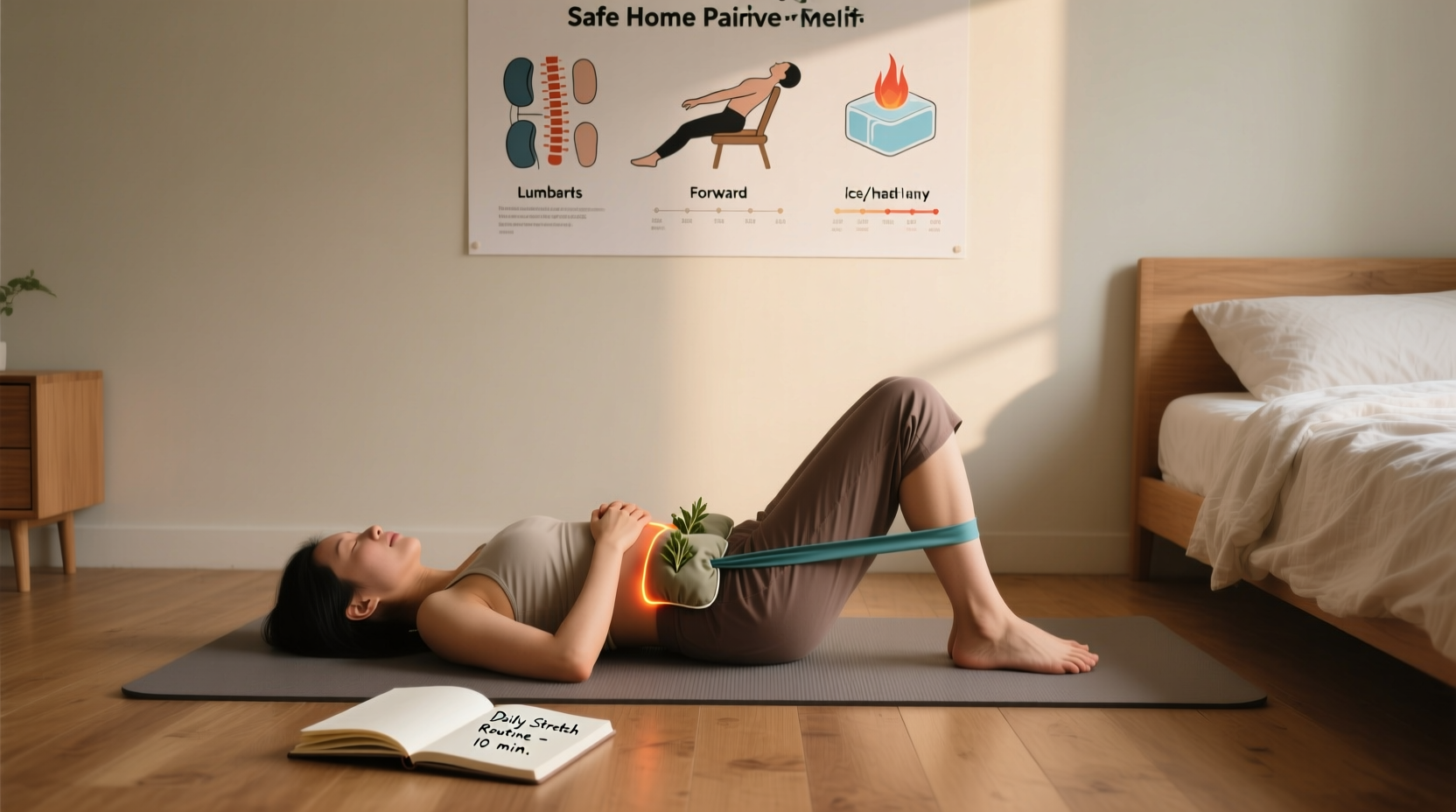
The sciatic nerve is the longest nerve in the body, running from the lower spine through the hips and buttocks and down each leg. Sciatica occurs when this nerve becomes irritated or compressed, commonly due to a herniated disc, spinal stenosis, piriformis syndrome, or degenerative disc disease.
Symptoms vary but typically include:
- Sharp, shooting pain in the lower back, hip, or leg
- Numbness or tingling in the affected leg or foot
- Muscle weakness in the leg or difficulty moving the foot
- Burning or electric-like sensations along the nerve path
Pain severity ranges from mild discomfort to debilitating, often worsening with prolonged sitting, sudden movements, or improper posture. The good news is that most cases resolve within 4–6 weeks with conservative care.
“Over 80% of sciatica cases respond well to non-surgical treatment, especially when patients take an active role in their recovery.” — Dr. Lena Patel, Physical Medicine & Rehabilitation Specialist
Effective Home-Based Relief Strategies
While rest may seem like the immediate solution, prolonged inactivity can worsen stiffness and delay healing. Instead, a combination of gentle movement, targeted exercises, and lifestyle adjustments offers lasting relief.
1. Gentle Stretching Routine
Stretching helps relieve pressure on the sciatic nerve by loosening tight muscles, particularly in the lower back, glutes, and hamstrings. Perform these stretches daily, holding each for 30 seconds and repeating 2–3 times per side:
- Piriformis Stretch: Lie on your back, cross one ankle over the opposite knee, and gently pull the uncrossed leg toward your chest.
- Knee-to-Chest Stretch: Bring one knee to your chest while keeping the other leg flat on the floor.
- Sitting Forward Bend: Sit with legs extended, hinge at the hips, and reach toward your toes (keep back straight).
- Cat-Cow Stretch: On hands and knees, alternate between arching the back upward (cat) and dipping it downward (cow).
2. Heat and Cold Therapy
Alternating heat and cold treatments reduces inflammation and relaxes tense muscles. Use this protocol during acute flare-ups:
- Days 1–3: Apply a cold pack wrapped in a thin towel to the lower back for 15 minutes every 2 hours.
- After Day 3: Switch to a heating pad or warm compress for 20 minutes several times a day.
Cold therapy numbs pain and reduces swelling, while heat increases blood flow and eases muscle spasms.
Posture and Ergonomic Adjustments
How you sit, stand, and sleep plays a crucial role in managing sciatic pain. Poor posture increases pressure on spinal discs, aggravating nerve compression.
| Area | Do’s | Don’ts |
|---|---|---|
| Sitting | Use a chair with lumbar support; keep feet flat on the floor | Avoid slouching or sitting longer than 30 minutes without a break |
| Standing | Distribute weight evenly; shift positions frequently | Don’t lock knees or stand in one place too long |
| Sleeping | Sleep on your side with a pillow between your knees | Avoid sleeping on your stomach, which strains the lower back |
Step-by-Step Daily Management Plan
Consistency is key. Follow this structured routine to gradually reduce symptoms over time:
- Morning (7:00 AM): Begin with 5 minutes of cat-cow and knee-to-chest stretches to loosen stiff muscles.
- Mid-Morning (10:00 AM): Take a 10-minute walk to promote circulation and reduce nerve irritation.
- Lunch Break (1:00 PM): Perform seated piriformis stretch at your desk if working remotely or on-site.
- Evening (6:00 PM): Apply heat to the lower back for 20 minutes after activity.
- Before Bed (9:00 PM): Repeat 2–3 key stretches and practice diaphragmatic breathing to relax tense muscles.
This plan integrates movement, pain management, and relaxation—three pillars of effective sciatica care.
Real-Life Example: Recovering from a Sciatica Flare-Up
Mark, a 42-year-old software developer, began experiencing sharp pain radiating down his right leg after weeks of long coding sessions. Initially, he avoided movement, fearing it would worsen the pain. After two days of increased stiffness, he consulted a physical therapist who recommended a home regimen.
Mark started with short walks every few hours, applied ice for the first 48 hours, then switched to heat. He incorporated daily stretching and adjusted his workstation: raising his monitor, adding a lumbar roll, and using a standing desk intermittently. Within three weeks, his pain decreased by 80%, and he resumed normal activities without medication.
His success came not from a single fix, but from combining multiple evidence-based strategies consistently.
When to Seek Medical Attention
Most sciatica improves at home, but certain red flags require prompt evaluation:
- Loss of bladder or bowel control (sign of cauda equina syndrome)
- Severe or worsening leg weakness
- Numbness in the saddle area (inner thighs, groin)
- Pain following trauma, such as a fall or accident
If symptoms persist beyond 6–8 weeks despite self-care, consult a healthcare provider. Imaging or specialist referral may be needed.
Frequently Asked Questions
Can walking help with sciatica?
Yes. Walking promotes circulation, releases endorphins, and gently mobilizes the spine without excessive strain. Start with 10–15 minute walks and gradually increase duration as tolerated.
Is bed rest recommended for sciatica?
No. Prolonged bed rest can weaken muscles and increase stiffness. Limit rest to short breaks during acute pain, but aim to stay gently active throughout the day.
Can poor mattress quality worsen sciatica?
Absolutely. A mattress that’s too soft or too firm fails to support spinal alignment. Medium-firm mattresses are generally best for maintaining neutral spine position during sleep.
Final Thoughts and Action Steps
Managing sciatica at home doesn’t require expensive equipment or complex routines. What matters most is consistency, awareness of posture, and a proactive approach to movement and recovery. By integrating targeted stretches, heat/cold therapy, ergonomic improvements, and daily activity, most individuals can significantly reduce pain and regain function.




 浙公网安备
33010002000092号
浙公网安备
33010002000092号 浙B2-20120091-4
Comments
No comments yet. Why don't you start the discussion?