
Living with cats brings joy, companionship, and undeniable charm—but sometimes, it also brings persistent odors that cling to furniture and linger in the air. Whether your cat has marked territory, had an accident, or simply left behind traces of scent through grooming and rubbing, eliminating these smells requires more than a quick spray of air freshener. To truly restore freshness, you need targeted, effective strategies that address both surface-level odors and deep-seated organic compounds like urine and dander.
The key is understanding that cat odor isn’t just unpleasant—it’s often biochemical. Cat urine, for example, contains uric acid crystals that can re-crystallize when exposed to humidity, causing the smell to return months later if not properly treated. Simply masking the scent won’t work. Instead, a combination of enzymatic breakdown, pH neutralization, and preventive habits is essential for long-term success.
Understanding the Source of Cat Odor on Furniture
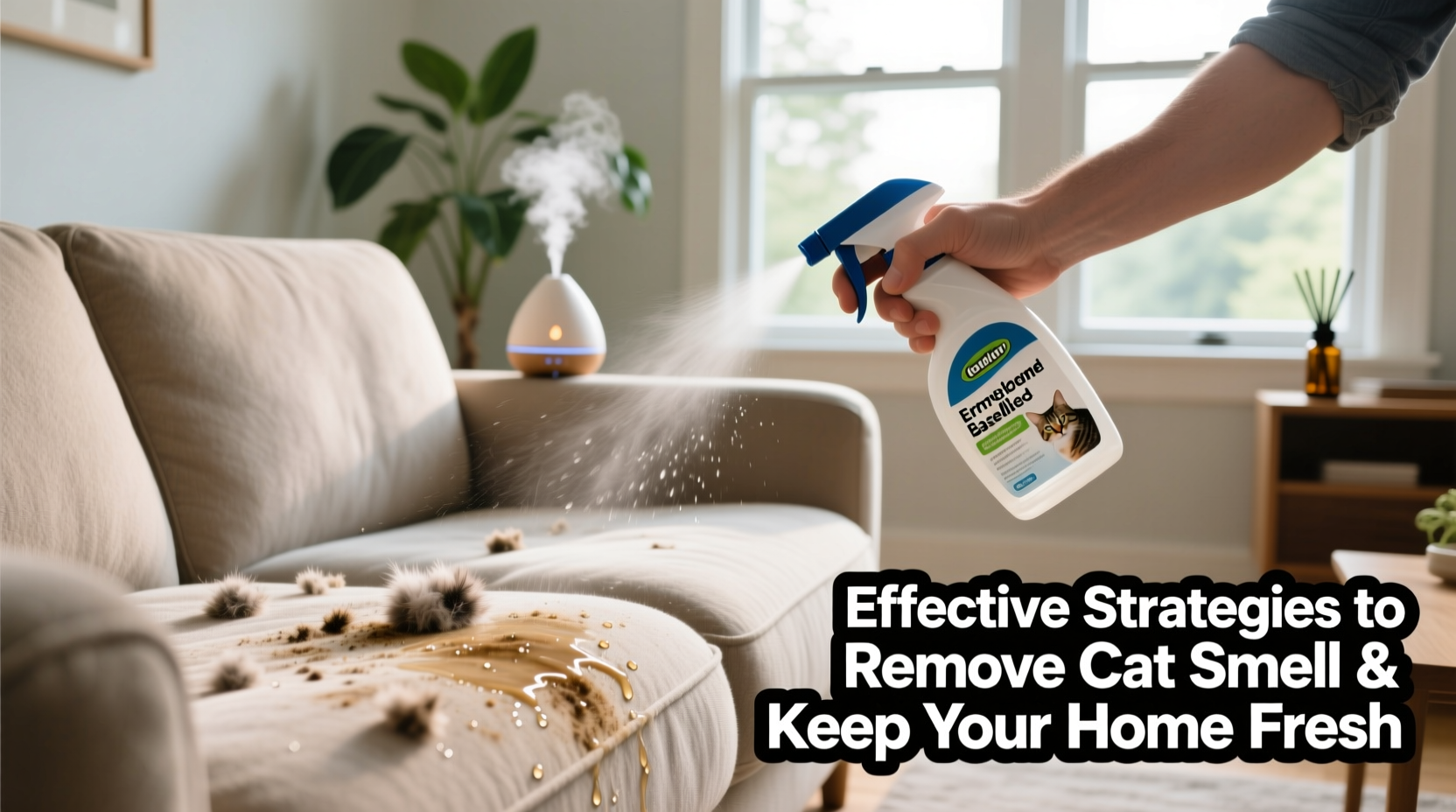
Cat smells on furniture typically originate from three main sources: urine, feces, and natural scent marking. Cats use scent glands located on their cheeks, paws, and flanks to mark familiar spaces, which is why they often rub against sofas and chairs. While this behavior is normal, it can accumulate over time, especially in multi-cat households.
Urine accidents are the most challenging because they penetrate fabrics and padding, reaching foam and wood beneath. Even after visible stains are gone, residual enzymes and ammonia byproducts continue to emit odor. Traditional cleaners like ammonia or vinegar may temporarily reduce the smell but can actually attract cats back to the same spot due to their nitrogen content or strong scent.
“Effective odor removal starts with identifying the source. Enzymatic cleaners are the gold standard because they break down the organic matter at the molecular level.” — Dr. Laura Henderson, DVM, Feline Behavior Specialist
Step-by-Step Guide to Removing Cat Smell from Upholstered Furniture
Immediate action significantly increases your chances of complete odor elimination. Follow this timeline-based approach for best results:
- Blot Immediately (0–15 minutes): If the incident is fresh, use paper towels or a clean cloth to absorb as much liquid as possible. Press firmly—do not rub, as this spreads the stain.
- Vacuum Thoroughly (After drying): Use a vacuum with a crevice tool to remove loose fur, dander, and dried particles that trap odor.
- Apply Enzymatic Cleaner (Within 24 hours): Choose a pet-safe enzymatic cleaner containing live bacteria that digest uric acid. Spray generously until the fabric is saturated below the surface.
- Cover with Plastic Wrap (Optional for deep penetration): Lightly cover the area with plastic wrap for 4–6 hours to prevent evaporation and allow deeper enzyme penetration.
- Air Dry Naturally (6–24 hours): Let the area dry completely. Avoid heat sources like hairdryers, which can set proteins into fibers.
- Repeat if Necessary: For older or recurring stains, repeat the process every 24 hours until no odor remains.
Do’s and Don’ts When Treating Cat Odors
| Do’s | Don’ts |
|---|---|
| Use enzymatic cleaners specifically designed for pet odors | Use ammonia-based or bleach cleaners—they mimic urine scent |
| Vacuum regularly to remove dander and hair | Rely solely on air fresheners or Febreze-type sprays |
| Wash removable cushion covers in cold water with odor-neutralizing detergent | Use hot water on urine-stained items—it sets the stain |
| Place baking soda under cushions overnight before vacuuming | Steam clean untreated urine areas—heat activates old crystals |
| Encourage proper litter box hygiene to prevent repeat marking | Yell at or punish your cat after accidents—it increases stress and marking |
Real Example: How One Homeowner Eliminated Lingering Litter Box Smell from a Sofa
Sarah, a cat owner in Portland, noticed a faint but persistent odor coming from her living room sofa after adopting a second cat. Despite weekly vacuuming and using scented sprays, the smell worsened during humid summer months. She suspected her cats were marking, though she never witnessed it.
After consulting a pet behaviorist, Sarah learned that one of her cats was subtly spraying on the back of the couch. She followed a strict cleaning protocol: she removed the cushion covers, washed them in cold water with an enzyme laundry additive, then applied a commercial enzymatic cleaner to the frame and base. She sprinkled food-grade diatomaceous earth between the cushions and let it sit for 48 hours before vacuuming thoroughly. Within a week, the odor disappeared—and more importantly, the cat stopped returning to the spot. Sarah now rotates washable throws on her furniture and uses pheromone diffusers to reduce territorial anxiety.
Preventive Strategies to Keep Your Home Fresh Long-Term
Eliminating existing odors is only half the battle. Preventing recurrence requires consistent habits and environmental management:
- Maintain litter box hygiene: Scoop daily, change litter weekly, and have one box per cat plus one extra. Place boxes in quiet, accessible locations.
- Wash bedding and throws weekly: Use unscented, hypoallergenic detergents with added enzyme boosters.
- Use air purifiers with HEPA and carbon filters: These capture airborne dander and neutralize volatile organic compounds from urine.
- Rotate furniture placement: Occasionally shift seating to disrupt marking routines and expose less-used surfaces to light and airflow.
- Introduce calming pheromones: Products like Feliway mimic facial pheromones and reduce stress-related spraying.
Frequently Asked Questions
Can I use vinegar to remove cat smell from furniture?
Vinegar can help neutralize alkaline residues and works well as a preliminary rinse. However, it doesn’t break down uric acid crystals. After using vinegar, always follow up with an enzymatic cleaner to ensure complete odor elimination. Never mix vinegar with hydrogen peroxide or bleach, as this creates toxic fumes.
How do I know if the smell is really gone?
Odors may seem gone at room temperature but return when humidity rises. To test, place a warm, damp towel over the cleaned area for 1–2 hours. If any scent emerges, reapply the enzymatic treatment. Also, get down to your cat’s nose level—odors detectable at floor height may be imperceptible standing up.
Is steam cleaning safe for cat-odor removal?
Only after thorough enzymatic treatment. Steam cleaning uncleaned urine stains can permanently set odors by baking uric acid into fabric and padding. If used correctly post-treatment, steam cleaning can sanitize and refresh fabrics safely.
Conclusion: A Fresh Home Is Within Reach
Removing cat smell from furniture doesn’t require extreme measures or toxic chemicals. With the right knowledge—especially the importance of enzymatic breakdown and pH-appropriate cleaning—you can reclaim your space and enjoy a truly fresh home. The process combines immediate response, consistent maintenance, and behavioral awareness to create lasting results.
Start today by assessing high-risk furniture, gathering the right supplies, and implementing a simple weekly care routine. Your efforts will pay off in comfort, cleanliness, and harmony between you and your feline companions.




 浙公网安备
33010002000092号
浙公网安备
33010002000092号 浙B2-20120091-4
Comments
No comments yet. Why don't you start the discussion?