
Ingrown pubic hairs are a common yet often uncomfortable issue that affects people of all genders. They occur when a hair curls back or grows sideways into the skin instead of rising outward. This can lead to redness, inflammation, itching, and sometimes painful bumps resembling acne. While not usually dangerous, ingrown hairs can be unsightly and distressing. The good news is that with proper care, they can be safely resolved—and more importantly, prevented.
The key lies in understanding the root causes: shaving technique, skin texture, tight clothing, and lack of exfoliation. Addressing these factors with consistent, gentle practices makes a significant difference. Below are proven strategies to treat existing ingrowns and reduce the likelihood of recurrence.
Understanding Ingrown Hairs: Causes and Risk Factors
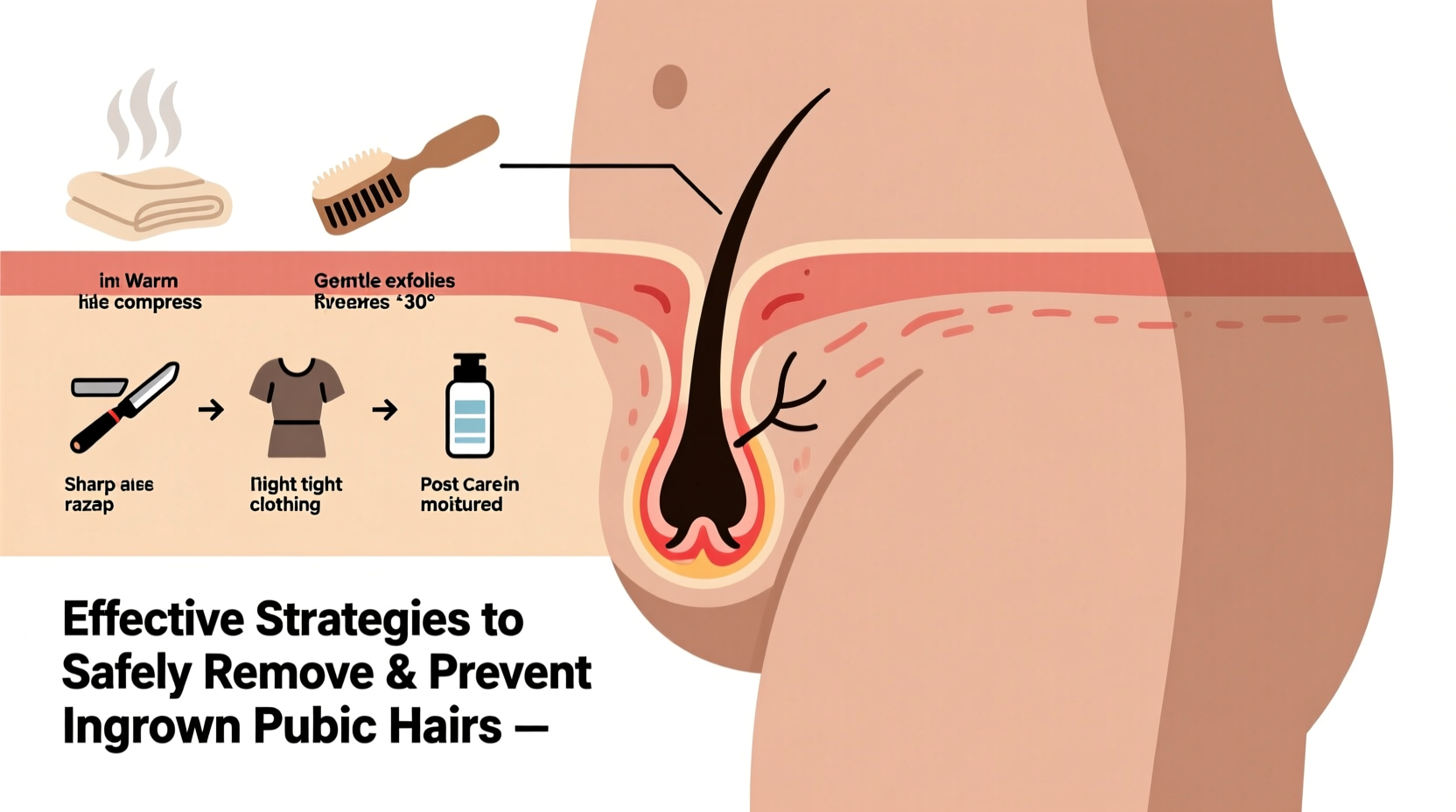
Ingrown hairs develop when dead skin cells clog hair follicles or when hair is cut too short during shaving, allowing the sharp tip to re-enter the skin. People with curly or coarse hair are more prone due to the natural tendency of the hair to curl back after cutting.
Common triggers include:
- Poor shaving habits (e.g., dry shaving, dull razors)
- Over-plucking or waxing
- Wearing tight underwear or pants that create friction
- Lack of regular exfoliation
- Clogged pores from sweat, oils, or skincare products
Left untreated, ingrown hairs may lead to hyperpigmentation, infection, or scarring—especially if picked or squeezed. Recognizing early signs like small raised bumps or tender spots helps initiate timely intervention.
Safe Treatment Methods for Existing Ingrown Hairs
When dealing with active ingrown hairs, patience and hygiene are essential. Aggressive picking or scratching worsens inflammation and introduces bacteria. Instead, follow this step-by-step approach to encourage natural release.
- Warm Compress Application: Apply a clean, warm washcloth to the affected area for 10–15 minutes, 3–4 times daily. Heat softens the skin and opens pores, helping trapped hairs emerge naturally.
- Gentle Cleansing: Use a mild, fragrance-free cleanser twice daily to keep the area clean and reduce bacterial buildup.
- Topical Exfoliants: After cleansing, apply a product containing salicylic acid or glycolic acid once daily. These ingredients break down dead skin cells blocking the follicle.
- Avoid Irritation: Refrain from shaving or waxing the area until the ingrown resolves completely. Wear loose-fitting clothing to minimize friction.
- Maintain Moisture: Use a non-comedogenic moisturizer to support skin barrier function without clogging pores.
If pus, increasing pain, or spreading redness occurs, consult a healthcare provider. An infected ingrown hair may require topical or oral antibiotics.
Prevention Through Proper Hair Removal Techniques
Preventing ingrown hairs starts with how you remove hair. Whether you shave, wax, or trim, your method significantly impacts skin health.
| Method | Best Practices | Common Mistakes |
|---|---|---|
| Shaving | Use sharp razor, shave in direction of growth, hydrate skin first | Dry shaving, using dull blades, pressing too hard |
| Waxing | Exfoliate 24h prior, ensure hair length ~¼ inch, sanitize tools | Waxing too frequently, pulling against growth, skipping aftercare |
| Trimming | Leave hair slightly longer (~1/8 inch), use rounded-tip scissors | Cutting too close, using unclean tools |
“Improper shaving is the number one contributor to ingrown hairs in the bikini area. A fresh blade and proper prep make all the difference.” — Dr. Lena Torres, Board-Certified Dermatologist
Daily Skincare Routine to Minimize Ingrown Risk
Incorporating targeted skincare into your routine reduces the chances of developing ingrown hairs. Consistency matters more than intensity—gentle, regular care outperforms aggressive treatments.
Weekly Exfoliation Protocol
Exfoliate 2–3 times per week using either physical or chemical methods:
- Physical exfoliation: Use a soft washcloth or silicone scrubber with light pressure. Avoid harsh scrubs with large granules.
- Chemical exfoliation: Products with 0.5–2% salicylic acid or 5–10% glycolic acid help dissolve dead skin gently.
Moisturizing for Follicle Health
Well-hydrated skin allows hairs to grow freely. Choose oil-free, hypoallergenic lotions labeled “non-comedogenic.” Ingredients like ceramides, hyaluronic acid, and aloe vera soothe while strengthening the skin barrier.
Real-Life Example: Managing Recurring Ingrowns
Sophia, a 28-year-old fitness instructor, struggled with recurring ingrown hairs on her inner thighs and bikini line. Despite frequent shaving, she developed clusters of inflamed bumps every few weeks. After consulting a dermatologist, she made several changes:
- Switched from a multi-blade razor to a single-blade safety razor
- Began using a pre-shave oil and shaving only every 3–4 days
- Added a salicylic acid body wash into her weekly routine
- Started wearing breathable cotton underwear during workouts
Within six weeks, her flare-ups decreased dramatically. By month three, she had no new ingrowns. Her case highlights how small, consistent adjustments yield long-term results.
Checklist: Daily & Weekly Prevention Plan
To stay ahead of ingrown hairs, follow this actionable checklist:
- ✅ Cleanse the pubic area daily with a gentle, pH-balanced cleanser
- ✅ Exfoliate 2–3 times per week using chemical or soft physical exfoliants
- ✅ Shave only when necessary, always with a sharp, clean blade
- ✅ Shave in the direction of hair growth to reduce trauma
- ✅ Moisturize daily with a non-comedogenic formula
- ✅ Wear loose, breathable underwear and avoid tight synthetic fabrics
- ✅ Replace razors every 5–7 uses or sooner if tugging occurs
- ✅ Avoid touching or picking at emerging bumps
Frequently Asked Questions
Can I pop an ingrown hair like a pimple?
No. Popping increases the risk of infection and scarring. Allow the hair to surface naturally with warm compresses and gentle care. If it becomes severely inflamed or filled with pus, see a medical professional.
How long does it take for an ingrown hair to go away?
Most resolve within 3–7 days with proper care. Persistent cases lasting over two weeks or worsening symptoms should be evaluated by a dermatologist.
Are there permanent solutions to prevent ingrown hairs?
Laser hair removal significantly reduces hair density and curvature over time, lowering the chance of ingrowns. It’s especially effective for those with recurrent issues. Consult a licensed practitioner to discuss suitability and treatment plans.
Conclusion: Take Control with Consistent Care
Dealing with ingrown pubic hairs doesn’t have to be a recurring frustration. With informed techniques and a proactive approach, most cases can be resolved safely and prevented effectively. The foundation lies in gentle hair removal, regular exfoliation, and skin-friendly habits that respect your body’s natural processes.
You don’t need extreme measures—just consistency and awareness. Start implementing one or two changes today, like switching to a sharper razor or adding a weekly exfoliant. Over time, these small steps build a resilient, irritation-free routine.




 浙公网安备
33010002000092号
浙公网安备
33010002000092号 浙B2-20120091-4
Comments
No comments yet. Why don't you start the discussion?