
General hardness (GH) measures the concentration of calcium and magnesium ions in aquarium water. While essential for biological processes, excessively high GH can stress sensitive fish species, inhibit plant nutrient uptake, and disrupt breeding behavior. Many popular aquarium inhabitants—such as tetras, angelfish, discus, and certain dwarf shrimp—thrive in soft to moderately hard water. If your tap water is naturally hard due to local geology, achieving ideal GH levels requires deliberate, safe intervention. This guide outlines proven, non-disruptive methods to lower GH effectively while maintaining a stable, healthy aquatic environment.
Understanding GH and Its Impact on Aquatic Life
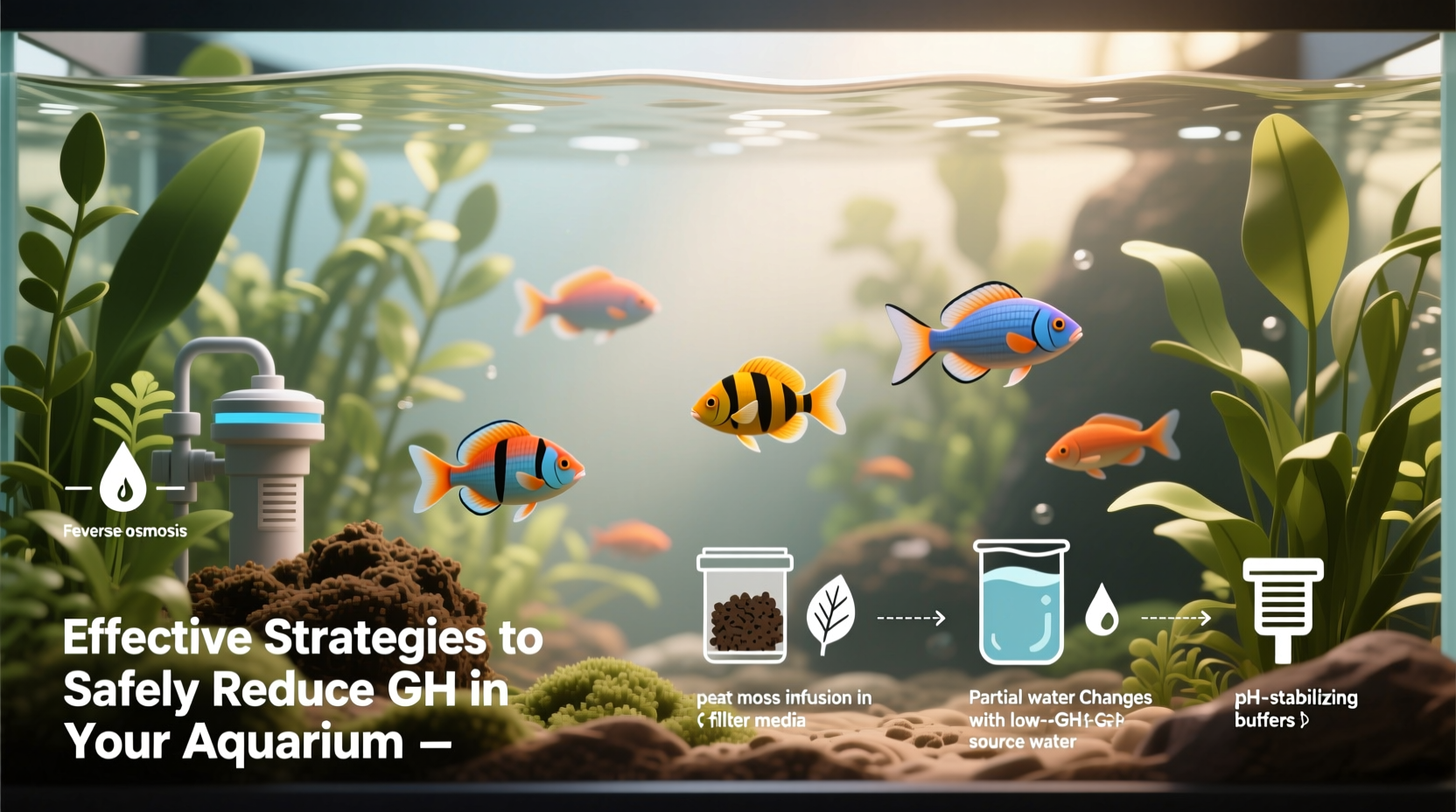
GH is expressed in degrees (dGH) or parts per million (ppm), with 1 dGH equaling about 17.9 ppm of calcium carbonate. Most freshwater fish prefer GH between 4–8 dGH (70–140 ppm), though tolerance varies widely. High GH (above 12 dGH) can lead to:
- Reduced osmoregulatory efficiency in fish, increasing metabolic stress
- Poor molting success in crustaceans like shrimp and crayfish
- Calcium buildup on equipment and plant leaves, reducing photosynthesis
- Inhibited absorption of micronutrients like iron and manganese by aquatic plants
It’s crucial to distinguish GH from KH (carbonate hardness), which buffers pH. Lowering GH does not inherently destabilize pH, but overlapping methods may affect both. Always test water parameters before and after adjustments using a reliable liquid test kit.
Safe and Effective Methods to Reduce GH
Lowering GH requires diluting mineral-rich water with softer sources or removing dissolved minerals directly. The safest approaches prioritize gradual change and system stability.
1. Use Reverse Osmosis (RO) Water
Reverse osmosis is the most effective method for reducing GH. RO systems filter out up to 95–99% of dissolved minerals, producing nearly pure water with near-zero GH. Mix RO water with tap water to achieve target hardness.
For example, if your tap water has 14 dGH and you want 6 dGH, blend approximately 60% RO water with 40% tap water. Always remineralize RO water before adding it to the tank to restore essential electrolytes.
2. Peat Moss Filtration
Peat moss contains organic acids that bind calcium and magnesium ions, gradually softening water. Place sphagnum peat moss in a mesh bag inside the filter. It also releases tannins, which mildly acidify water—beneficial for blackwater species.
Use pre-washed, aquarium-safe peat. Replace every 2–3 months as its effectiveness diminishes. Monitor pH closely, as peat can lower it over time.
3. Driftwood and Indian Almond Leaves
Natural decor items like driftwood and catappa leaves release humic and fulvic acids, which chelate minerals and gently reduce GH over weeks. While not a primary solution, they support long-term softening and mimic natural habitats.
These materials also possess antimicrobial properties, potentially improving fish resilience. However, their impact on GH is subtle and best used alongside other methods.
4. Rainwater Collection (With Caution)
Rainwater is naturally soft and low in minerals. If collected properly—using clean surfaces and stored in food-grade containers—it can serve as a GH-lowering diluent.
Important: Avoid using rainwater from urban areas or metal roofs due to potential contamination from pollutants, heavy metals, or bird droppings. Always boil and aerate collected rainwater before use.
5. Water Softening Resins
Ionic exchange resins specifically designed for aquariums (e.g., peat-based or synthetic resins) remove calcium and magnesium ions from water. These are placed in filter compartments and regenerate with salt baths when exhausted.
Choose resins labeled for aquarium use; some household water softeners add sodium, which is harmful to fish. Resins offer precise control but require regular maintenance and monitoring.
“Stability matters more than perfection. A consistent GH of 8 dGH is better than fluctuating between 4 and 10.” — Dr. Lena Torres, Aquatic Biologist & Aquarium Consultant
Step-by-Step Guide to Safely Lower GH
Making abrupt changes to water hardness risks osmotic shock. Follow this timeline to adjust GH gradually:
- Test current GH using a liquid test kit. Record baseline value.
- Determine target GH based on species requirements (e.g., 5 dGH for cardinal tetras).
- Select a softening method (e.g., 50% RO/tap mix).
- Prepare conditioned soft water (remineralized if using RO).
- Replace 10–15% of tank water daily with soft water over 5–7 days.
- Re-test GH after each change. Adjust mixing ratio if needed.
- Maintain new level with consistent water changes using pre-mixed soft water.
This phased approach prevents stress and allows fish and beneficial bacteria to adapt.
Do’s and Don’ts When Reducing GH
| Do’s | Don’ts |
|---|---|
| Blend RO water with remineralized additives to maintain electrolyte balance | Use distilled water without remineralization—it lacks essential ions |
| Monitor GH, pH, and KH weekly during adjustment periods | Change more than 25% of water at once when altering hardness |
| Use peat or driftwood for gradual, natural softening | Boil or microwave peat—this releases excessive tannins and degrades structure |
| Pre-treat and test alternative water sources (rain, RO) | Use household water softeners—they replace calcium with sodium |
Real-World Example: Lowering GH for a Discus Tank
A hobbyist in central Texas maintained a 55-gallon planted discus tank with tap water at 16 dGH and pH 7.8. Discus showed signs of stress—clamped fins and reduced appetite—despite excellent filtration and feeding.
The solution involved installing a countertop RO unit. The aquarist mixed 70% RO water with 30% tap water and added Seachem Equilibrium to achieve 5 dGH and stable pH 6.6. Over 10 days, water changes of 15% per day transitioned the tank to the new parameters.
Within three weeks, discus exhibited brighter coloration, increased activity, and resumed normal feeding. Plants like Amazon swords and dwarf hairgrass showed improved growth, likely due to better micronutrient availability in softer water.
Essential Checklist for Reducing GH Safely
- ✅ Test current GH and KH levels
- ✅ Research GH requirements of all tank inhabitants
- ✅ Choose a softening method (RO, peat, resin, etc.)
- ✅ Prepare and remineralize soft water if using RO or distilled
- ✅ Perform small, frequent water changes (10–15%) over 5–7 days
- ✅ Monitor fish behavior and water parameters daily
- ✅ Maintain new GH level with consistent, pre-mixed water changes
Frequently Asked Questions
Can I use distilled water to lower GH?
Yes, distilled water has zero GH, but it lacks essential minerals. Always remineralize it before adding to the aquarium. Unconditioned distilled water can cause osmotic shock and destabilize pH.
Will lowering GH harm my aquarium plants?
Most aquatic plants tolerate a wide GH range. In fact, many thrive in softer water because micronutrients become more bioavailable. However, ensure adequate calcium and magnesium for stem and root development by using targeted remineralization.
How often should I test GH after stabilizing it?
Once stable, test GH every 2–4 weeks. More frequent testing is advisable if using peat, resins, or variable water sources.
Final Thoughts and Action Plan
Maintaining appropriate GH is a cornerstone of a thriving aquarium ecosystem. Whether you're keeping soft-water specialists or simply optimizing conditions for plant growth, understanding how to reduce GH safely empowers you to create a more natural, balanced environment. The key lies in patience, precision, and consistency—not speed.
Start by evaluating your current water parameters and choosing one reliable method to begin. Combine tools like RO water with natural aids such as driftwood for sustainable results. Remember, aquatic life adapts best to slow, predictable changes.




 浙公网安备
33010002000092号
浙公网安备
33010002000092号 浙B2-20120091-4
Comments
No comments yet. Why don't you start the discussion?