
Finding a feral cat inside or around your home can be unsettling. Unlike domesticated cats, feral cats are wild by nature—untamed, fearful of humans, and often unaccustomed to indoor living. While your instinct may be to shoo it away immediately, doing so hastily could result in injury to the animal, damage to your property, or even health risks. The key is to act with patience, safety, and compassion. By using humane, strategic methods, you can guide the cat out of your space without harm and prevent future intrusions.
Understanding Feral Cats vs. Stray Cats
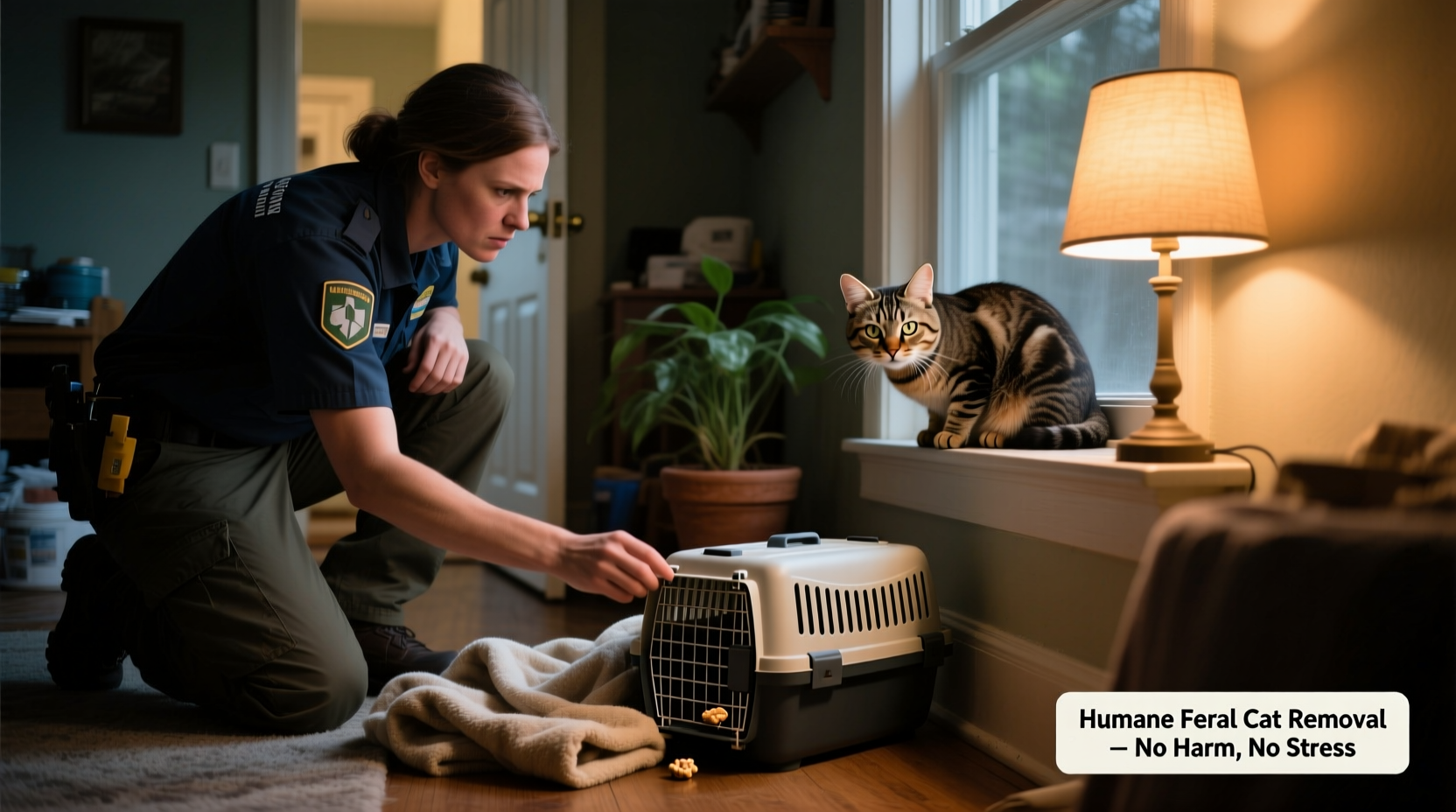
Before taking action, it’s crucial to distinguish between a feral cat and a stray. A stray cat was once a pet and may still approach people, meow, or appear socialized. In contrast, a feral cat avoids human contact, remains silent, and behaves like wildlife. This distinction affects how you should respond.
Feral cats are not suited for adoption into homes. They thrive best in managed outdoor colonies through Trap-Neuter-Return (TNR) programs. Forcing interaction or attempting to capture one without proper tools and knowledge can escalate stress and aggression.
Step-by-Step Guide to Safely Remove a Feral Cat
Safely removing a feral cat requires a calm, methodical approach. Rushing the process increases the risk of bites, scratches, or escape into harder-to-reach areas like attics or crawl spaces.
- Secure the Area: Close off rooms the cat hasn’t entered yet. Keep doors shut and isolate the cat to one accessible space such as a garage or bathroom.
- Remove Hazards: Clear sharp objects, toxic substances, and potential traps. Ensure vents, chimneys, and drop ceilings are inaccessible.
- Provide an Exit Route: Open an exterior door or window leading outside. Use bright lights indoors and keep the outdoors dimly lit to encourage movement toward the exit.
- Use Calming Techniques: Avoid loud noises or sudden movements. Speak softly and maintain distance. Play quiet music or leave a radio on to reduce silence-induced anxiety.
- Lure with Food (if necessary): Place strong-smelling food like canned tuna near the exit—but not too close, so the cat must move toward freedom to reach it.
- Wait Patiently: Give the cat time—sometimes several hours—to find its way out. Check periodically but avoid direct confrontation.
- Close Entry Points After Exit: Once gone, seal all possible entry points: gaps under doors, broken screens, loose siding, or uncapped chimneys.
“Feral cats rely on instinct for survival. Our role isn’t to domesticate them, but to coexist responsibly and humanely.” — Dr. Laura Bennett, Wildlife Veterinarian and Humane Society Consultant
When Trapping Is Necessary: A Humane Approach
If the cat refuses to leave after 24 hours or is trapped in a confined space, humane trapping becomes a justified option. However, this should only be done with the intention of relocating the cat to a safer outdoor environment or transferring it to a local TNR program.
To trap effectively and ethically:
- Use a live-catch trap designed for small animals (available at animal shelters or hardware stores).
- Bait the trap with smelly food like sardines or wet cat food.
- Place the trap in a quiet, sheltered area near where the cat has been seen.
- Cover the trap with a light sheet to reduce stress once the cat is inside.
- Contact a local animal rescue or TNR organization immediately upon capture—do not attempt to handle the cat directly.
Preventing Future Intrusions: Long-Term Solutions
Once the cat is gone, take proactive steps to ensure others don’t follow. Feral cats often travel in colonies and exploit consistent access points and food sources.
| Do’s | Don’ts |
|---|---|
| Seal foundation cracks, vents, and crawl space openings with hardware cloth or metal mesh. | Leave pet food outdoors overnight. |
| Install motion-sensor lights—feral cats prefer darkness. | Ignore recurring signs like paw prints or droppings. |
| Work with neighbors to support community TNR efforts. | Shout at or chase cats—it reinforces fear and scattering behavior. |
| Use natural deterrents like citrus peels, coffee grounds, or commercial repellents. | Assume one cat means no others are nearby. |
Mini Case Study: Resolving a Garage Invasion in Austin, TX
In suburban Austin, a homeowner discovered a feral cat living behind stored boxes in their detached garage. The cat had likely entered through a cracked wall vent. Over three days, the family closed internal doors, placed tuna near the garage door (left slightly ajar at dusk), and played soft classical music to ease tension. On the third night, the cat exited on its own. The homeowners then sealed the vent with steel mesh and began coordinating with a local TNR group after spotting two more cats in the backyard. Within a month, all three were neutered, vaccinated, and relocated to a monitored colony site one mile away—reducing neighborhood breeding and nuisance behaviors.
Essential Checklist for Safe Feral Cat Removal
Follow this checklist to ensure a safe, legal, and compassionate resolution:
- ✅ Confirm the cat is feral (not lost or injured)
- ✅ Isolate the cat to one room or area
- ✅ Provide a clear, quiet exit route to the outdoors
- ✅ Use food lures strategically to guide movement
- ✅ Wait 12–24 hours for self-evacuation
- ✅ If necessary, set a humane trap and contact animal control or a rescue group
- ✅ Seal all entry points after removal
- ✅ Report colony sightings to local TNR organizations
Frequently Asked Questions
Can I get sick from a feral cat in my home?
While transmission is rare, feral cats can carry diseases such as rabies, toxoplasmosis, or ringworm. Avoid direct contact, wear gloves when cleaning areas they’ve occupied, and wash hands thoroughly. If bitten or scratched, seek medical attention immediately and report the incident to local health authorities.
Is it illegal to trap and relocate a feral cat myself?
In many states and municipalities, relocating wildlife—including feral cats—without proper permits is illegal. Most animal welfare laws require that trapped cats be taken to a licensed facility or returned to the original location for TNR processing. Always consult your local animal services before moving a cat.
What if the cat has kittens?
If you suspect kittens are present, do not disturb the nest. Contact a feral cat rescue immediately. Removing the mother prematurely can lead to abandoned or dying kittens. Specialized rescuers can assess the situation and coordinate safe removal or foster care.
Conclusion: Act with Compassion and Confidence
Dealing with a feral cat on your property doesn’t have to mean conflict or cruelty. With informed strategies and a calm mindset, you can resolve the situation humanely while protecting your home and the animal’s well-being. Remember, these cats aren’t malicious—they’re simply surviving. By closing entry points, supporting ethical TNR programs, and avoiding harmful tactics, you contribute to a safer, more balanced community ecosystem.




 浙公网安备
33010002000092号
浙公网安备
33010002000092号 浙B2-20120091-4
Comments
No comments yet. Why don't you start the discussion?