
Bringing a house cat into the world beyond the front door is a significant milestone—one that requires patience, preparation, and careful planning. While indoor cats enjoy longer lifespans due to reduced exposure to predators, diseases, and traffic, many felines benefit mentally and physically from controlled outdoor access. The key lies in transitioning them safely. A sudden release into the wild can lead to stress, disorientation, or even permanent disappearance. By following structured, proven methods, you can give your cat the enrichment of nature while minimizing risks.
Assessing Readiness: Is Your Cat Prepared?
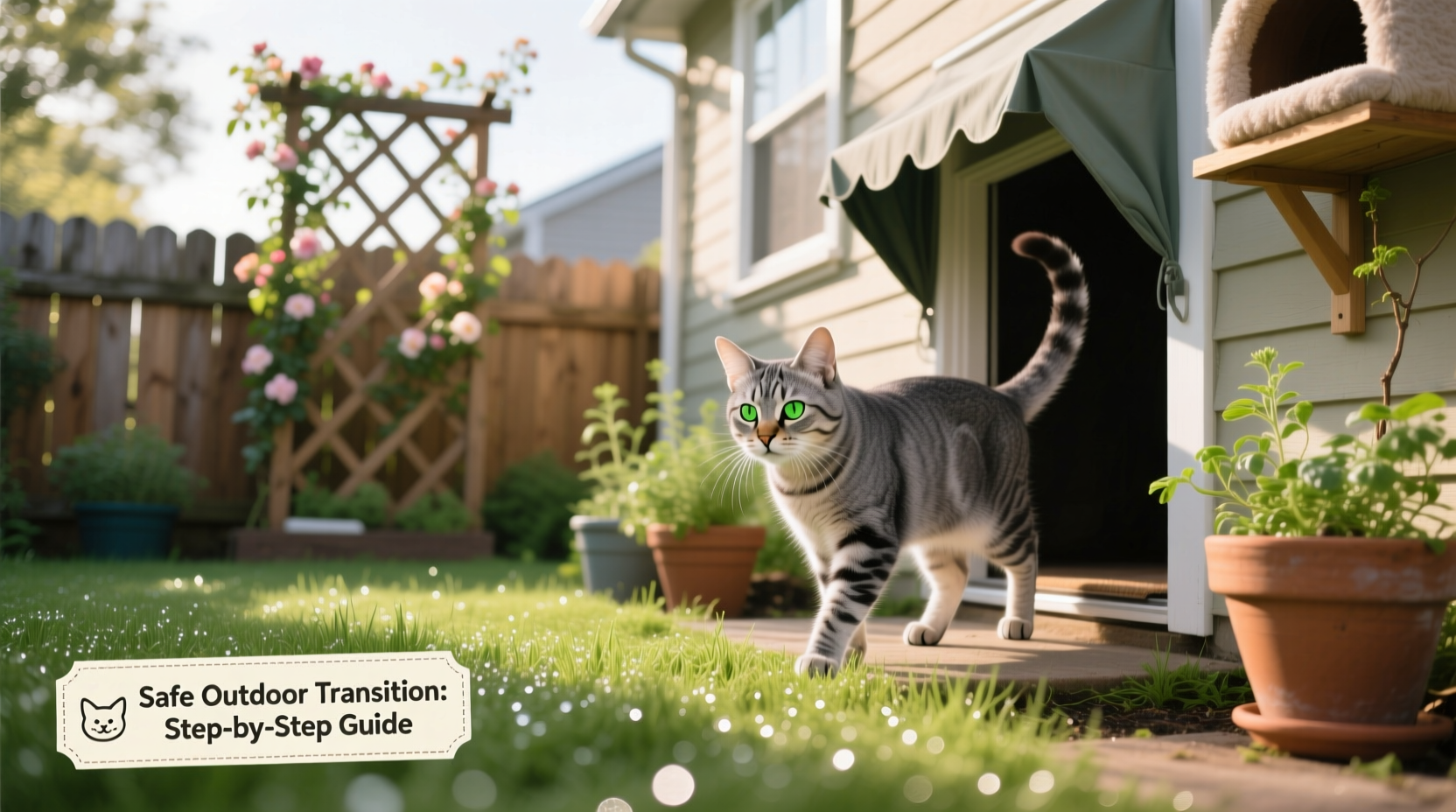
Not every indoor cat is suited for outdoor life. Before considering any transition, evaluate your cat’s age, temperament, health, and environment. Kittens under six months lack survival instincts and should remain indoors. Senior cats may struggle with mobility or temperature regulation outdoors. Observe whether your cat shows curiosity at windows, chases birds, or vocalizes when seeing squirrels—these are signs of natural outdoor interest.
Equally important is your neighborhood. Urban areas with heavy traffic, stray animals, or predators like coyotes present higher risks. If you live near busy roads or in an apartment complex, supervised outdoor time may be more appropriate than full freedom.
Step-by-Step Guide to Outdoor Transition
Sudden outdoor exposure can overwhelm even curious cats. A gradual approach ensures they adapt emotionally and physically. Follow this timeline over 4–8 weeks:
- Week 1–2: Controlled Indoor-Outdoor Exposure – Open doors briefly while supervising. Let your cat explore the threshold. Use treats to create positive associations.
- Week 3–4: Leash Training Indoors – Introduce a harness and leash inside. Allow your cat to wear it during playtime. Never use a collar-only setup—cats can slip out easily.
- Week 5–6: Supervised Backyard Time – Begin short (5–10 minute) sessions in a secure, enclosed yard. Stay close and let your cat investigate at their pace.
- Week 7–8: Gradual Extension of Time and Space – Increase outdoor duration to 20–30 minutes. Monitor weather, wildlife activity, and your cat’s comfort level.
- Ongoing: Consistent Routine – Establish predictable outdoor times so your cat knows when to expect exploration, reducing anxiety.
This phased method builds confidence and reinforces recall behaviors. Cats thrive on routine, so consistency is critical.
Essential Safety Measures and Equipment
Freedom doesn’t mean recklessness. Equip your cat with tools that enhance safety without restricting natural behaviors.
- Breakaway Collar with ID Tag – Even if your cat wears a microchip, a visible tag with your phone number increases recovery chances if lost.
- GPS Tracker – Lightweight devices attach to collars and allow real-time location tracking via smartphone apps.
- Secure Enclosure or “Catio” – A fenced-in patio or elevated enclosure lets cats experience fresh air and birdwatching without escape risks.
- Vet-Approved Flea & Tick Prevention – Outdoor exposure increases parasite risk. Monthly treatments are essential.
| Safety Feature | Purpose | Recommended For |
|---|---|---|
| Harness + Leash | Controlled exploration | All first-time outdoor cats |
| Microchip | Permanent identification | All outdoor-access cats |
| Catio/Enclosure | Risk-free outdoor time | Urban or high-predator areas |
| Flea/Tick Treatment | Disease prevention | Year-round, especially spring–fall |
Mini Case Study: Luna’s Successful Outdoor Integration
Luna, a three-year-old domestic shorthair, lived entirely indoors in a suburban home. Her owners noticed her growing agitation at window perches and frequent pawing at the screen door. Concerned about her mental stimulation, they began a transition plan using a soft harness and daily 10-minute backyard sessions.
Initially, Luna froze at the back step. Over two weeks, treats and gentle encouragement helped her venture further. By week five, she confidently explored flower beds and chased leaves. Her owners installed a small catio for unsupervised daytime use and equipped her with a GPS collar. After ten weeks, Luna enjoyed two 30-minute supervised outings daily and showed improved sleep, appetite, and reduced destructive scratching.
Their success stemmed from patience and refusing to rush the process—even on sunny days when progress seemed stalled.
Expert Insight on Feline Behavior and Outdoor Risks
“Cats are territorial by nature, but indoor-raised cats haven’t developed spatial memory for navigating neighborhoods. A slow, scent-based introduction helps them map safe zones.” — Dr. Rebecca Nguyen, DVM, Feline Behavior Specialist
Dr. Nguyen emphasizes that scent markers—such as familiar bedding placed near the exit door—help cats anchor their territory. She also warns against allowing nighttime roaming, when predator activity and vehicle traffic peak.
Common Mistakes to Avoid
Even well-intentioned owners make errors that jeopardize their cat’s safety:
- Releasing the cat unattended too soon – Without established recall or environmental familiarity, cats may panic and flee.
- Using retractable leashes – These encourage erratic movement and can injure sensitive neck tissue.
- Skipping parasite prevention – Ticks and fleas carry diseases like cytauxzoonosis, which can be fatal in cats.
- Ignoring return cues – Train your cat to respond to a whistle, call, or treat sound so you can summon them reliably.
Checklist: Preparing Your Cat for Outdoor Access
Before beginning outdoor excursions, ensure the following steps are complete:
- ✅ Schedule a vet check-up and update vaccinations (including rabies)
- ✅ Microchip your cat and register the details
- ✅ Purchase a properly fitted breakaway collar with ID
- ✅ Choose a comfortable, escape-proof harness
- ✅ Begin leash training indoors for at least two weeks
- ✅ Secure your yard or build a catio
- ✅ Start monthly flea, tick, and worm prevention
- ✅ Establish a consistent outdoor schedule
- ✅ Install a GPS tracker (optional but recommended)
- ✅ Practice recall cues using treats or sounds
FAQ
Can I let my cat roam freely after a few outdoor trips?
No. Free-roaming should never begin until your cat consistently returns on cue and demonstrates calm behavior outdoors. Even then, many experts recommend limiting unsupervised access or using enclosures instead.
Will my cat come back if I let them outside?
Most cats return if they associate home with safety, food, and affection. However, unfamiliar noises or chasing prey can lead them astray. Always supervise early outings and reinforce home as the primary base.
Is a catio a good alternative to free roaming?
Absolutely. A catio provides fresh air, sunlight, and sensory stimulation while eliminating dangers like cars, predators, and fights with other animals. Many cats adapt quickly and show enriched behaviors such as stalking insects or lounging in sunbeams.
Conclusion
Transitioning a house cat to outdoor exploration isn’t about granting freedom—it’s about expanding their world responsibly. With thoughtful preparation, consistent routines, and vigilant safety practices, your cat can enjoy the sights, sounds, and scents of nature without unnecessary risk. This balance between enrichment and protection defines modern, compassionate pet care.




 浙公网安备
33010002000092号
浙公网安备
33010002000092号 浙B2-20120091-4
Comments
No comments yet. Why don't you start the discussion?