
Keychains attached to backpacks are more than just decorative—they often hold essential keys, USB drives, or small tools. Yet, one of the most common frustrations for students, travelers, and commuters is losing a keychain due to a loose clasp, weak attachment, or accidental snagging. Despite their small size, losing a keychain can lead to inconvenience, security risks, and replacement costs. Fortunately, with the right techniques and a few simple upgrades, you can dramatically reduce the risk of losing your keychain. This guide outlines proven methods to keep your keychain firmly in place, drawing on real-world use cases, material insights, and expert recommendations.
Choose the Right Attachment Mechanism
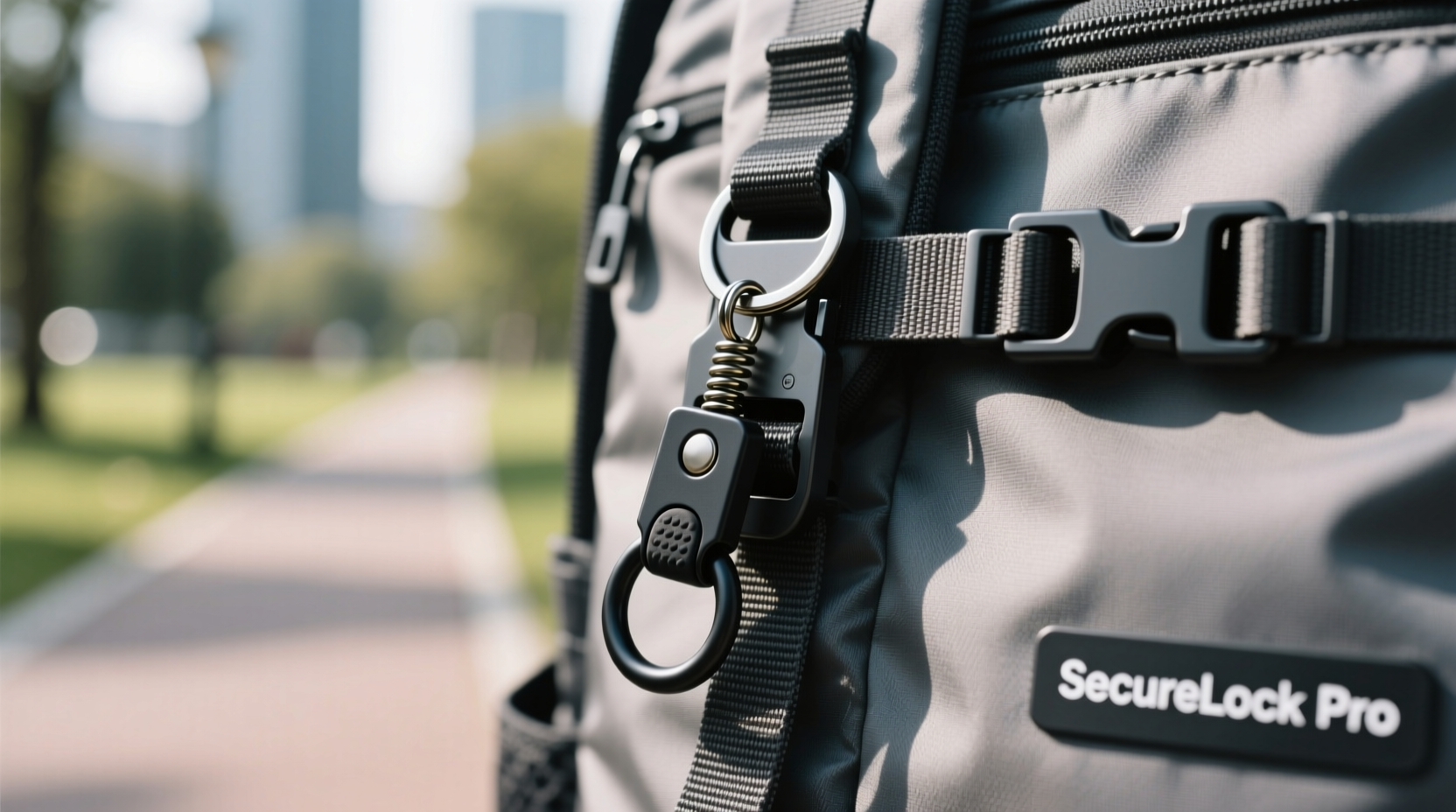
The foundation of a secure keychain lies in how it connects to your backpack. Not all attachment points are created equal. Most backpacks come with pre-installed loops, zipper pulls, or D-rings, but these vary widely in strength and reliability. Understanding your options helps you make informed decisions about what works best for your lifestyle.
- D-rings: Sturdy metal or reinforced plastic rings commonly found on backpack sides or top handles. Ideal for carabiners or split rings.
- Zippers pulls: Often made of fabric or plastic; prone to tearing if used as primary anchor points.
- Webbing loops: Fabric straps sewn into seams. Strong when stitched well, but may fray over time.
- MOLLE/PALS webbing: Found on tactical or outdoor packs, allows for modular attachments using clips or straps.
Upgrade Your Keychain Hardware
Standard keyrings that come with keys are often thin, poorly welded, and prone to springing open. Upgrading to higher-quality components significantly improves retention. Consider replacing basic split rings with stronger alternatives designed for durability and ease of access.
| Hardware Type | Security Level | Best For | Lifetime Estimate |
|---|---|---|---|
| Basic Split Ring | Low | Lightweight keys only | 3–6 months |
| Double-Loop Steel Ring | High | Frequent use, multiple keys | 2+ years |
| Carabiner (Locking) | Very High | Outdoor, travel, heavy loads | 3+ years |
| Key Clip (Spring Gate) | Medium | Quick access needs | 1–2 years |
Locking carabiners, especially those with twist-lock or screw-gate mechanisms, offer the highest level of security. They are widely used by hikers and EMTs because they resist accidental opening even under stress. For everyday carry, a compact titanium carabiner provides both strength and lightweight performance.
“Most lost keychains fail at the weakest link—the ring or clasp. Investing in aerospace-grade steel or titanium hardware cuts failure rates by over 90%.” — David Lin, Industrial Design Engineer & Outdoor Gear Consultant
Reinforce the Backpack Attachment Point
Even the best keychain fails if the backpack’s attachment point gives way. Over time, stitching around D-rings or loops can weaken due to friction, weight, or repeated tugging. Reinforcing this area ensures long-term reliability.
Step-by-Step: Reinforce a Weak D-Ring Stitch
- Inspect the stitching around the D-ring monthly for fraying or loose threads.
- If wear is detected, remove the keychain temporarily.
- Use a needle and heavy-duty nylon thread (e.g., upholstery or marine-grade) to re-stitch the anchor points.
- Sew in a box pattern: two parallel stitches forming a square around the D-ring for maximum load distribution.
- Apply a drop of fabric glue (like Aleene’s) to the knot to prevent unraveling.
- Let dry completely before reattaching items.
For those uncomfortable with DIY repairs, many local shoe or bag repair shops offer reinforcement services for under $15. Alternatively, consider adding a secondary loop using a MOLLE-compatible strap or paracord lanyard anchored to a different part of the pack.
Implement Redundancy with Backup Systems
In high-risk environments—crowded subways, festivals, hiking trails—relying on a single attachment method is risky. A layered approach, known as redundancy, ensures that even if one component fails, the keychain remains secured.
One effective method combines a locking carabiner with a retractable key reel. The carabiner attaches securely to the D-ring, while the reel keeps keys accessible and prevents dangling. If the primary clip disengages, the reel’s cord acts as a safety line. Another option is a double-split ring system: attach the inner ring to the backpack, then connect your keys to an outer ring. This makes accidental detachment much less likely.
Mini Case Study: Preventing Loss During Commute
A university student in Chicago regularly commuted via crowded public transit with a backpack full of textbooks and electronics. She attached her house and car keys to a standard split ring on a side D-ring. After losing her keys twice in one semester—once during rush hour when the ring slipped through a gap in the zipper pull—she consulted a campus gear repair workshop.
The technician recommended switching to a 1-inch stainless steel double-loop ring and reinforcing the D-ring stitching. He also suggested adding a 6-inch braided nylon lanyard clipped between the keyring and shoulder strap as a secondary tether. Over the next 18 months, despite daily subway rides and bike commutes, she did not lose her keys again. The combination of upgraded hardware and redundancy proved highly effective in a high-friction environment.
Preventative Maintenance Checklist
To maintain long-term security, treat your keychain setup like any other piece of gear—regular inspection and maintenance prevent failures before they happen.
- ✅ Inspect keyring and clasp weekly for cracks, warping, or spring fatigue.
- ✅ Check backpack stitching near attachment points every month.
- ✅ Clean metal components with a dry cloth to prevent corrosion.
- ✅ Rotate out worn rings before they fail—replace annually under heavy use.
- ✅ Avoid overloading keychains; limit to essential items to reduce strain.
- ✅ Store backpacks away from moisture and extreme temperatures to preserve fabric integrity.
Frequently Asked Questions
Can I use epoxy or super glue to secure a loose keyring?
No. While gluing might seem like a quick fix, it creates a brittle bond that can shatter under stress and makes future removal or replacement difficult. Mechanical solutions like better rings or reinforced stitching are safer and more reliable.
Are magnetic keychains safe to use on backpacks?
Magnetic clasps offer convenience but pose risks. Strong magnets can interfere with electronic devices (like phones or credit cards) stored in nearby pockets. Additionally, sudden jolts or impacts can cause magnetic separation. If used, pair them with a physical tether for backup.
How do I choose the right size keyring?
Select a ring diameter that allows easy movement of keys but doesn’t leave large gaps where it can catch on objects. A 1-inch (25mm) double-loop steel ring fits most standard keys and resists twisting better than smaller rings.
Final Thoughts: Secure Today, Save Tomorrow
Securing your backpack keychain isn’t just about preventing minor inconveniences—it’s about protecting access to your home, vehicle, or workplace. Simple upgrades in hardware, thoughtful placement, and routine checks can eliminate most causes of loss. Whether you're navigating city streets, hiking remote trails, or rushing between classes, a well-secured keychain gives you peace of mind.




 浙公网安备
33010002000092号
浙公网安备
33010002000092号 浙B2-20120091-4
Comments
No comments yet. Why don't you start the discussion?