
A good night’s sleep depends on more than just the right mattress or room temperature—your pillow plays a critical role in both comfort and health. Over time, pillows accumulate sweat, oils, dead skin cells, and allergens like dust mites, which can lead to stains, odors, and disrupted sleep. Without proper protection, even high-quality pillows degrade quickly and become breeding grounds for irritants. Fortunately, simple but consistent strategies can preserve your pillow’s cleanliness, extend its lifespan, and improve sleep quality.
Why Pillows Are Vulnerable to Stains and Dust Mites
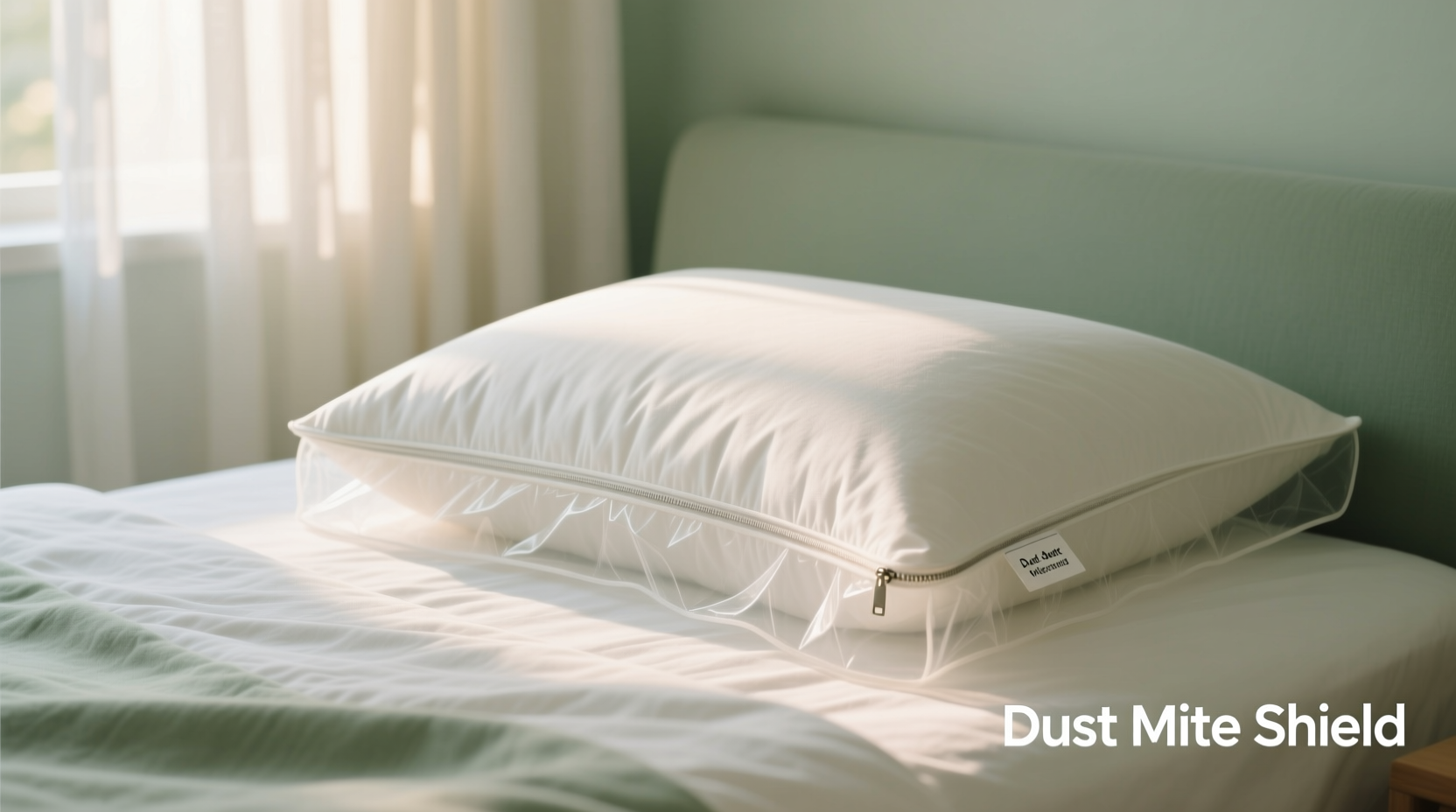
Pillows are in constant contact with your face, hair, and skin, making them prime targets for moisture, sebum, and residual skincare products. Nightly exposure to sweat alone can add up to nearly a pint per year absorbed into your pillow. This damp, organic-rich environment is ideal for dust mites—microscopic creatures that feed on shed skin cells. While they don’t bite, their droppings are a common allergen linked to asthma, eczema, and allergic rhinitis.
Stains develop not only from sweat but also from makeup, hair products, and saliva. These residues break down fabric fibers and create yellowing over time. Once deeply embedded, stains are difficult to remove without damaging the pillow filling. Preventing contamination at the source is far more effective than trying to clean it later.
Protective Barriers: The First Line of Defense
The most effective way to keep your pillow clean is by using physical barriers. Not all pillowcases offer sufficient protection—standard cotton cases allow moisture and microscopic debris to pass through over time. Instead, consider specialized pillow protectors designed to block liquids, allergens, and microbes.
- Waterproof protectors: Made with polyurethane or TPU layers, these prevent spills, sweat, and drool from soaking in.
- Hypoallergenic covers: Often made from tightly woven microfiber or bamboo-derived fabrics, they block dust mites while remaining breathable.
- Zippered encasements: Fully sealed designs eliminate access points for mites and ensure complete coverage.
Choose a protector that balances impermeability with breathability. Look for labels indicating “breathable waterproof” or “cooling technology” to avoid overheating during sleep.
“Using an allergen-proof encasement reduces dust mite populations by up to 90% within two months.” — Dr. Lena Torres, Allergy & Sleep Research Institute
Step-by-Step Guide to Pillow Protection Routine
Implementing a consistent routine ensures long-term protection. Follow this timeline to maintain a clean, hygienic sleeping surface:
- Week 1: Purchase hypoallergenic, zippered pillow protectors for each pillow. Install them immediately after washing.
- Weekly: Remove and launder pillowcases in hot water (at least 130°F) to kill mites and remove surface oils.
- Monthly: Wipe down the outer surface of the protector with a damp cloth and mild detergent. Check for wear or leaks.
- Every 3–6 Months: Deep-clean washable pillows according to manufacturer instructions. Air dry completely before reinserting into the protector.
- Annually: Evaluate pillow condition. If lumpy, flattened, or discolored inside the protector, replace it.
Do’s and Don’ts of Pillow Care
| Do’s | Don’ts |
|---|---|
| Use zippered, allergen-proof protectors | Use plastic bags or non-breathable wraps |
| Wash pillowcases weekly in hot water | Ignore yellowing or musty smells |
| Vacuum pillows gently every few months | Dry pillows in direct sunlight for hours (can damage fibers) |
| Replace pillows every 1–2 years | Use bleach regularly (degrades fabric and foam) |
| Spot-clean protectors as needed | Sleep with wet hair consistently |
Real-Life Example: How One Household Reduced Allergy Symptoms
The Chen family had been struggling with recurring nighttime congestion and itchy eyes, especially in their 8-year-old daughter, Mia. After consulting an allergist, they discovered elevated dust mite levels in their bedding. They implemented a full pillow protection protocol: replacing old pillows, installing certified allergen-barrier encasements, switching to fragrance-free detergents, and laundering all bedding weekly in hot water.
Within six weeks, Mia’s symptoms improved significantly. Her mother noted fewer nighttime awakenings and no longer needed to use the bedroom humidifier excessively. A follow-up dust test showed a 78% reduction in mite allergens. The change was attributed largely to the sealed pillow system, which stopped continuous exposure during sleep.
Choosing the Right Pillow Material for Easier Maintenance
Not all pillow materials respond equally to cleaning and protection. Your choice of filling affects how well it resists stains and mites:
- Memory foam: Naturally resistant to dust mites due to dense structure, but cannot be submerged in water. Requires a reliable protector.
- Down/feather: Prone to clumping when wet and may harbor mites if not properly sealed. Needs frequent fluffing and professional cleaning.
- Polyester fiberfill: Affordable and machine-washable, but breaks down faster and traps moisture more easily.
- Latex: Naturally antimicrobial and hypoallergenic, less attractive to mites, and durable with proper care.
- Bamboo or Tencel blends: Moisture-wicking and naturally resistant to microbial growth, ideal for hot sleepers.
Selecting a low-maintenance, mite-resistant material enhances the effectiveness of protective measures and reduces long-term upkeep.
Frequently Asked Questions
How often should I replace my pillow?
Most experts recommend replacing pillows every 12 to 24 months, depending on use and material. Signs it’s time include visible staining, loss of support, persistent odor, or waking with neck pain.
Can I wash my pillow protector in cold water?
While many protectors tolerate cold water, warm water (around 100°F) is more effective at removing oils and killing bacteria. Always check the care label—some waterproof membranes degrade in high heat.
Are dust mites visible to the naked eye?
No, dust mites are microscopic, measuring about 0.3 millimeters. You can’t see them without magnification, but their effects—like sneezing, itching, or worsening asthma—are clear indicators of presence.
Final Checklist for a Cleaner, Healthier Pillow
- ✅ Invest in zippered, allergen-proof pillow protectors
- ✅ Wash pillowcases weekly in hot water
- ✅ Use a second pillowcase for extra barrier protection
- ✅ Avoid eating or applying heavy skincare in bed
- ✅ Vacuum pillows gently every 3 months
- ✅ Replace pillows on schedule, not just when they fall apart
- ✅ Choose mite-resistant materials like latex or bamboo
Take Control of Your Sleep Environment Today
Your pillow should support rest, not sabotage it. By shielding it from stains and dust mites with smart, sustainable practices, you invest in deeper, healthier sleep. The strategies outlined here—from protective encasements to disciplined cleaning routines—are proven to reduce allergens, extend pillow life, and enhance overall sleep hygiene. Start tonight: inspect your current pillow setup, upgrade your protection, and commit to a cleaner sleep surface. Small changes today lead to better breathing, fewer allergies, and more restful nights for years to come.




 浙公网安备
33010002000092号
浙公网安备
33010002000092号 浙B2-20120091-4
Comments
No comments yet. Why don't you start the discussion?