
Many people seek a slimmer, more toned backside not just for aesthetic reasons, but also to improve posture, reduce lower back strain, and enhance overall physical performance. While spot reduction remains a myth, a strategic combination of full-body fat loss, muscle sculpting, and lifestyle adjustments can reshape the appearance of your buttocks. Achieving a leaner silhouette requires consistency, patience, and a holistic approach that goes beyond hours at the gym. This guide outlines science-backed methods to help you achieve a firmer, more defined butt through intelligent exercise, nutrition, and daily habits.
The Science Behind Butt Reshaping
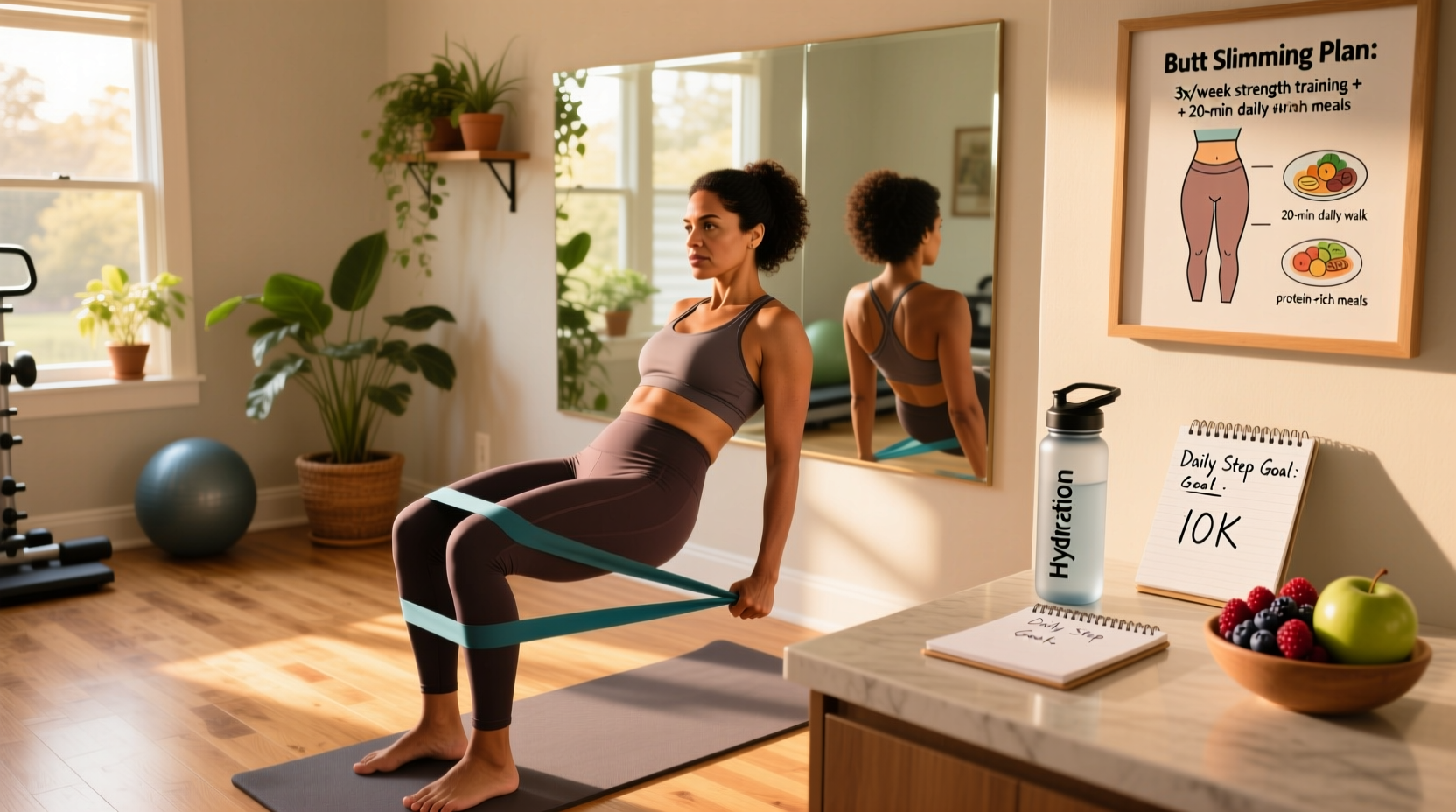
Your gluteal region consists of three main muscles—the gluteus maximus, medius, and minimus—responsible for hip extension, abduction, and stabilization. The visual size of your butt is influenced by two primary factors: body fat percentage and muscle development. If your goal is to slim down, you must focus on reducing subcutaneous fat in the hips and glutes while maintaining or building lean muscle mass to avoid a flat or saggy appearance.
Because fat loss occurs systemically, not locally, targeting only the glutes won’t eliminate fat there specifically. Instead, prioritize full-body fat reduction through a caloric deficit supported by strength training and cardiovascular activity. At the same time, resistance training helps preserve and shape the underlying muscle structure, giving the illusion of a lifted, tighter butt—even as it becomes smaller.
“Body composition changes are most effective when approached from multiple angles: movement, nutrition, recovery, and consistency.” — Dr. Lena Peterson, Sports Nutritionist and Exercise Physiologist
Targeted Exercises for Glute Toning and Fat Burn
While cardio burns calories and supports fat loss, incorporating glute-focused strength exercises ensures your butt stays firm and lifted during weight loss. Combine compound movements with isolation exercises to maximize engagement and metabolic demand.
Top 5 Effective Glute Exercises
- Barbell Hip Thrusts: Excellent for activating the gluteus maximus. Sit on the floor with your upper back against a bench, roll a barbell over your hips, and drive through your heels to lift your pelvis.
- Bulgarian Split Squats: Builds unilateral strength and balance while engaging glutes deeply. Stand in front of a bench, place one foot behind you, and lower into a lunge.
- Step-Ups: Use a sturdy platform and step up with controlled motion, driving through the heel of the leading leg to activate glutes.
- Glute Bridges (with resistance band): Lie on your back, knees bent, and place a resistance band above your knees. Squeeze glutes at the top for maximum contraction.
- Deadlifts (Romanian or conventional): Work the posterior chain intensely. Focus on hinging at the hips with a neutral spine.
Pair these with high-intensity interval training (HIIT) sessions 2–3 times weekly. A typical session might include 30 seconds of sprinting or jumping squats followed by 30 seconds of rest, repeated for 15–20 minutes. HIIT has been shown to promote greater fat oxidation compared to steady-state cardio, especially around the trunk and hip regions.
Nutrition: The Foundation of Fat Loss
No amount of exercise will override poor dietary habits. To slim down your butt, you need to create a moderate caloric deficit—typically 300–500 calories below maintenance—while prioritizing nutrient-dense foods that support metabolism and muscle preservation.
| Dietary Focus | Recommended Foods | Foods to Limit |
|---|---|---|
| Protein | Chicken breast, eggs, Greek yogurt, tofu, lentils | Fried meats, processed sausages |
| Complex Carbs | Quinoa, oats, sweet potatoes, brown rice | Sugary cereals, white bread, pastries |
| Healthy Fats | Avocado, nuts, olive oil, chia seeds | Trans fats, fried snacks, margarine |
| Fiber-Rich Veggies | Broccoli, spinach, Brussels sprouts, zucchini | Canned vegetables with added salt/sugar |
Aim for at least 1.6–2.2 grams of protein per kilogram of body weight daily to protect lean muscle. Include fiber-rich vegetables at every meal to increase satiety and stabilize insulin levels, which helps prevent fat storage in stubborn areas like the hips and thighs.
Lifestyle Adjustments for Sustainable Results
Your daily habits outside the gym play a crucial role in reshaping your body. Sedentary behavior, poor sleep, and chronic stress can hinder fat loss, particularly in the lower body.
- Reduce Sitting Time: Prolonged sitting compresses the glutes and reduces blood flow, potentially contributing to fat accumulation and weakened muscles. Stand up every 30–45 minutes or use a standing desk.
- Prioritize Sleep: Aim for 7–9 hours nightly. Poor sleep disrupts hormones like cortisol and leptin, increasing appetite and promoting abdominal and hip fat storage.
- Manage Stress: Elevated cortisol levels encourage fat deposition around the midsection and hips. Practice mindfulness, deep breathing, or yoga regularly.
- Stay Consistent: Progress takes time. Visible changes in body composition typically take 8–12 weeks of consistent effort.
Mini Case Study: Maria’s 12-Week Transformation
Maria, a 34-year-old office worker, wanted to slim her butt and feel more confident in jeans. She wasn’t overweight but carried excess fat around her hips and lower back. Over 12 weeks, she adopted a structured plan: strength training 3x/week focusing on glutes and legs, 2 HIIT sessions, daily walking (8,000 steps), and a clean, high-protein diet with reduced processed sugar. She also started sleeping 7.5 hours nightly and limited screen time before bed. By week 12, Maria lost 5% body fat, noticed her jeans fitting looser around the hips, and received compliments on her improved posture and energy. Her success stemmed not from extreme measures, but from sustainable, layered changes.
Action Plan: Your 4-Week Slimming Strategy
Follow this step-by-step guide to initiate visible changes in your lower body composition.
- Week 1: Assess & Prepare
- Take body measurements (hips, waist, thighs).
- Stock your kitchen with whole foods.
- Begin walking 30 minutes daily.
- Week 2: Introduce Strength Training
- Start glute-focused workouts twice this week (e.g., hip thrusts, bridges, squats).
- Replace one sugary drink with water or herbal tea.
- Set a bedtime alarm to ensure 7+ hours of sleep.
- Week 3: Increase Intensity
- Add a third workout day and one HIIT session.
- Track daily protein intake using a simple app.
- Stand or stretch every hour during work hours.
- Week 4: Refine & Reflect
- Re-measure key areas and note changes.
- Adjust calorie intake if progress stalls.
- Incorporate foam rolling to ease muscle tightness.
Frequently Asked Questions
Can I lose fat only from my butt?
No, spot reduction is not possible. Fat loss happens across the entire body based on genetics and hormonal factors. However, combining full-body fat loss with glute toning can create a slimmer, more defined appearance in the area.
Will squats make my butt bigger?
It depends on volume and diet. High-volume squat training with surplus calories may increase glute size. For slimming, focus on moderate weights, higher reps, and a caloric deficit to reduce overall fat while maintaining tone.
How long does it take to see results?
With consistent effort, noticeable changes typically appear within 6–10 weeks. Initial shifts may include reduced bloating and improved muscle definition before significant fat loss becomes visible.
Final Thoughts and Call to Action
Slimming down your butt isn’t about quick fixes or extreme diets—it’s about creating a balanced, active lifestyle that supports healthy body composition. By integrating smart strength training, mindful eating, and positive daily habits, you’ll not only reshape your lower body but also boost your energy, confidence, and long-term well-being. The journey is gradual, but every step counts.




 浙公网安备
33010002000092号
浙公网安备
33010002000092号 浙B2-20120091-4
Comments
No comments yet. Why don't you start the discussion?