
Cat urine issues are one of the most common and frustrating problems cat owners face. Unlike simple accidents, repeated inappropriate urination often signals deeper behavioral, medical, or environmental concerns. Simply cleaning up the mess won’t solve the problem. To truly stop cats from peeing around the house, you need a comprehensive approach that addresses root causes—not just symptoms. The good news is that with the right strategies, most cases can be resolved permanently.
Understand Why Cats Pee Outside the Litter Box
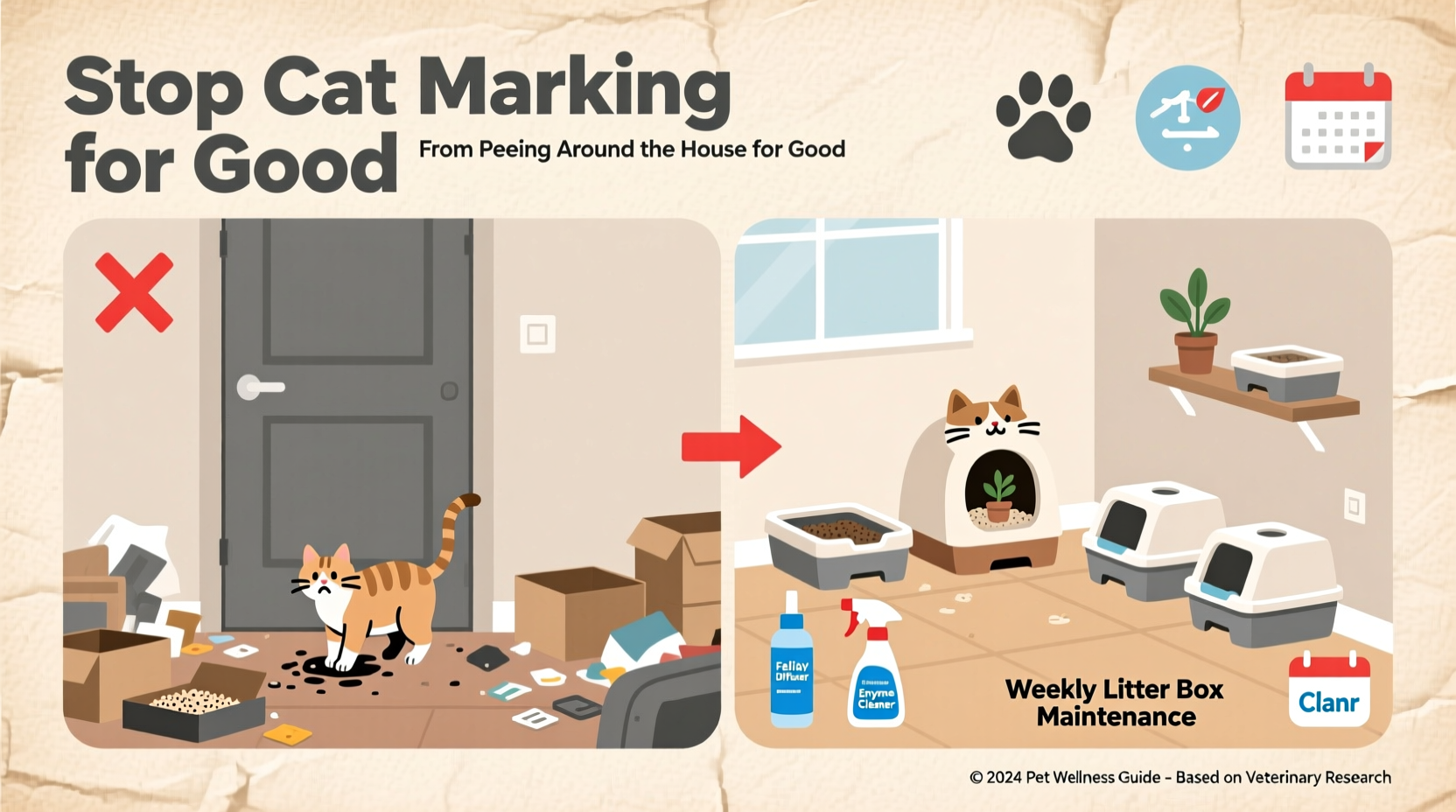
Cats don’t eliminate outside their litter box out of spite. Their behavior is a form of communication. Common reasons include medical conditions, litter box dissatisfaction, stress, territorial marking, or aversion due to poor hygiene. Identifying the underlying cause is essential before any solution can work.
Medical issues such as urinary tract infections, bladder stones, diabetes, or kidney disease can make urination painful or frequent, leading a cat to avoid the litter box. Older cats may develop arthritis, making it difficult to climb into high-sided boxes.
“Any sudden change in elimination habits should first prompt a veterinary visit. Painful conditions like cystitis are common and treatable.” — Dr. Laura Chang, DVM, Feline Behavior Specialist
Rule Out Medical Problems First
The first and most critical step is a thorough veterinary exam. Your vet may request a urine sample to check for infection, crystals, or inflammation. Blood work might also be necessary to assess kidney function or hormonal imbalances. Never assume the issue is behavioral without ruling out physical illness.
Optimize Litter Box Conditions
Even healthy cats may reject their litter box if it doesn’t meet their preferences. Cats are fastidious about cleanliness and sensitive to location, type of litter, and box design.
Follow these best practices:
- One box per cat, plus one extra: Multiple cats require multiple boxes to reduce competition.
- Strategic placement: Place boxes in quiet, low-traffic areas with easy access. Avoid loud appliances or tight corners.
- Uncovered boxes: Most cats prefer open access to monitor their surroundings.
- Scoop daily: Remove waste at least once a day. Clumping litter simplifies cleanup.
- Full litter changes: Replace all litter and wash the box monthly with mild soap and water—never ammonia-based cleaners.
| Factor | Recommended | Avoid |
|---|---|---|
| Number of Boxes | Number of cats + 1 | Only one box for multiple cats |
| Litter Type | Unscented, fine-grain clumping | Fragranced, crystal, or dusty litters |
| Box Size | 1.5x cat’s length | Too small or shallow |
| Cleaning Frequency | Daily scooping, full change monthly | Rare or infrequent cleaning |
Eliminate Urine Odors Completely
Residual urine odor encourages repeat incidents. Standard household cleaners often fail because they don’t break down urea and uric acid crystals. Enzymatic cleaners are specifically designed to digest organic matter in urine, eliminating both smell and stain.
Apply enzymatic cleaner generously to affected areas, saturating carpets, padding, or baseboards if needed. Allow 24–48 hours to dry completely. For severe cases, professional steam cleaning with pet-safe solutions may be required.
Reduce Stress and Environmental Triggers
Cats are highly sensitive to changes in their environment. Relocations, new pets, construction noise, or even rearranged furniture can trigger anxiety-related urination. Territorial spraying (often vertical) is more common in multi-cat homes or when outdoor cats are visible through windows.
To minimize stress:
- Maintain consistent routines for feeding, play, and interaction.
- Use pheromone diffusers like Feliway, which mimic calming facial pheromones.
- Provide vertical space (cat trees, shelves) and hiding spots to increase security.
- Block views of outdoor cats using blinds or opaque window film.
- Introduce new pets or people gradually with scent swapping and controlled exposure.
Mini Case Study: Resolving Multi-Cat Tension
Sarah adopted a second cat, Luna, to keep her older cat Milo company. Within weeks, Milo began urinating on the bedroom rug. After a clean bill of health from the vet, Sarah installed Feliway diffusers, added a third litter box on a different floor, and created separate feeding and resting zones. She also reintroduced the cats slowly using scent exchanges and short supervised visits. Within six weeks, the accidents stopped entirely. The key was reducing resource competition and restoring each cat’s sense of territory.
Step-by-Step Guide to Stopping Inappropriate Urination
Follow this proven 7-step process to resolve the issue systematically:
- Visit the vet: Confirm there’s no medical condition causing discomfort or urgency.
- Assess litter box setup: Check number, location, cleanliness, and type of litter.
- Identify patterns: Note where, when, and how often accidents occur.
- Remove odors: Clean all soiled areas with enzymatic cleaner.
- Block access: Prevent re-soiling by closing doors or using deterrents (aluminum foil, double-sided tape).
- Reduce stress: Use pheromones, enrich the environment, and maintain routine.
- Reinforce positive behavior: Reward correct litter use with treats or affection.
“Patience and consistency are key. Behavioral changes take time, but most cats respond well when their needs are met.” — Dr. Karen Horowitz, Veterinary Behaviorist
Common Mistakes That Make the Problem Worse
Well-meaning owners often unintentionally escalate the issue. Avoid these pitfalls:
- Punishing the cat: Yelling or rubbing their nose in urine increases fear and worsens anxiety.
- Using ammonia-based cleaners: These mimic urine scent and attract cats back to the spot.
- Reducing food or water: This can lead to dehydration and concentrated urine, increasing UTI risk.
- Changing litter abruptly: Sudden switches in brand or texture can deter use.
- Placing food near the litter box: Cats naturally avoid eliminating near eating areas.
FAQ
Why is my cat peeing on the bed or couch?
This often indicates a strong emotional connection to the area—or stress related to insecurity. It may also suggest litter box aversion. Address medical causes first, then evaluate stress levels and litter accessibility.
Can neutering stop spraying behavior?
Yes. Neutering reduces or eliminates spraying in up to 90% of male cats, especially if done before sexual maturity. However, stress-induced spraying in spayed/neutered cats may persist without environmental adjustments.
How long does it take to fix inappropriate urination?
With proper diagnosis and intervention, many cases improve within 2–4 weeks. Chronic or multi-factorial cases may take several months. Consistency is crucial.
Final Checklist: Action Plan for Success
Use this checklist to ensure you’ve covered all bases:
- ✅ Scheduled a vet visit to rule out medical issues
- ✅ Provided one litter box per cat, plus one extra
- ✅ Placed boxes in quiet, accessible locations
- ✅ Switched to unscented, clumping litter if needed
- ✅ Cleaned all soiled areas with enzymatic cleaner
- ✅ Installed pheromone diffusers in high-stress zones
- ✅ Established predictable daily routines
- ✅ Monitored progress and adjusted as needed
Conclusion
Stopping a cat from peeing around the house isn’t about punishment or luck—it’s about understanding feline instincts and addressing real needs. By combining veterinary insight, thoughtful litter management, odor elimination, and stress reduction, you can create an environment where your cat chooses the litter box naturally and consistently. Most importantly, remember that patience and empathy go further than any spray or deterrent. With the right approach, lasting success is not only possible—it’s likely.




 浙公网安备
33010002000092号
浙公网安备
33010002000092号 浙B2-20120091-4
Comments
No comments yet. Why don't you start the discussion?