
Destructive chewing is one of the most common behavioral issues dog owners face. While it’s natural for puppies to explore the world with their mouths, persistent or inappropriate chewing in adult dogs can damage furniture, shoes, electronics, and even pose health risks if non-food items are ingested. The good news is that with consistent training, environmental management, and mental stimulation, you can redirect this behavior and safeguard your home. Understanding the root causes—boredom, anxiety, teething, or lack of training—is the first step toward a long-term solution.
Understanding Why Dogs Chew
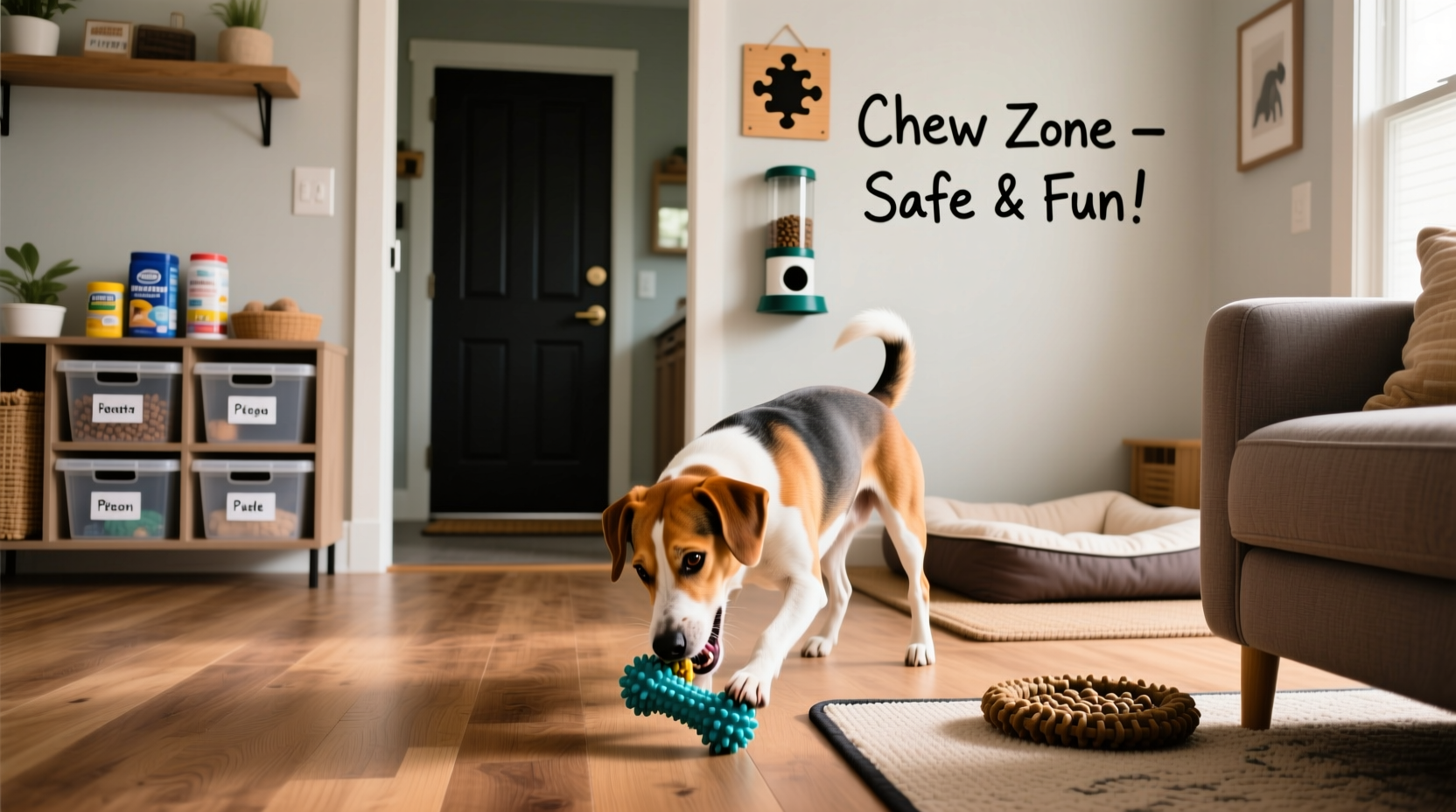
Chewing is an instinctual behavior for dogs. Puppies chew to relieve teething discomfort, which typically occurs between 3 and 6 months of age. Adult dogs may chew due to boredom, stress, separation anxiety, or simply because they’ve learned it’s a way to get attention—even negative attention reinforces the behavior.
Some breeds, such as Labradors, Border Collies, and Terriers, have higher energy levels and stronger oral fixation, making them more prone to destructive chewing when under-stimulated. Identifying the underlying cause is essential before implementing corrective strategies.
“Chewing isn’t misbehavior—it’s communication. A dog who chews your shoes is often telling you they need more activity, structure, or mental engagement.” — Dr. Karen Becker, Integrative Veterinarian
Proactive Prevention: Managing the Environment
You can’t train a dog effectively if they’re constantly being rewarded by chewing forbidden items. Start by “dog-proofing” your home to minimize temptation and prevent reinforcement of bad habits.
- Store shoes, books, remote controls, and other tempting items out of reach.
- Cover electrical cords with protective tubing or route them behind furniture.
- Use bitter-tasting sprays (pet-safe) on baseboards, furniture legs, or curtains.
- Provide a designated “chew zone” with appropriate toys and bedding.
Consistency is key. If your dog learns that only certain items are acceptable to chew, they’ll adapt faster when boundaries are clearly enforced every day.
Step-by-Step Guide to Redirect Chewing Behavior
Correcting chewing behavior requires patience and a structured approach. Follow this timeline over 4–6 weeks to see lasting results:
- Week 1: Assess & Restrict – Identify what your dog is chewing and remove those items. Observe patterns (e.g., chewing when left alone).
- Week 2: Introduce Alternatives – Stock up on durable chew toys (rubber, nylon, dental chews). Rotate toys weekly to maintain interest.
- Week 3: Supervise & Interrupt – When you catch your dog chewing something inappropriate, calmly say “Leave it,” offer a toy, and praise when they switch.
- Week 4: Reinforce with Routine – Establish daily play, walks, and training sessions to reduce excess energy.
- Weeks 5–6: Gradually Increase Freedom – Allow access to previously off-limits areas only after consistent success.
Never yell or punish after the fact—dogs don’t connect delayed punishment with the action. Instead, focus on positive reinforcement when your dog chooses the right item.
Choosing the Right Chew Toys: Do’s and Don’ts
Not all chew toys are created equal. Some can break into dangerous shards or contribute to dental issues. Use this guide to make smart choices.
| Do’s | Don’ts |
|---|---|
| Choose vet-approved rubber toys (e.g., Kong, West Paw) | Avoid rawhide, which can splinter and cause blockages |
| Opt for puzzle toys that dispense treats | Don’t give old shoes or socks as toys—they confuse boundaries |
| Select size-appropriate toys (large enough to avoid swallowing) | Avoid toys with small parts or squeakers that can be pulled out |
| Rotate toys weekly to prevent boredom | Don’t leave dogs unattended with plush toys that can be torn apart |
Toys that challenge your dog mentally—like treat-dispensing balls or snuffle mats—are especially effective at reducing destructive chewing by fulfilling natural foraging instincts.
Addressing Separation Anxiety and Boredom
Many dogs chew excessively when left alone, not out of malice but due to anxiety or understimulation. Signs include chewing near exits, excessive drooling, pacing, or house soiling.
For mild cases, create a calming departure routine: leave a long-lasting chew (like a frozen Kong filled with peanut butter) and play soft music or white noise. For moderate to severe anxiety, consider consulting a veterinary behaviorist. In some cases, medication combined with behavior modification yields the best outcomes.
Mini Case Study: Max, the Labrador Retriever
Max, a 10-month-old Labrador, was destroying couch cushions and chewing door frames whenever his owner worked from home in another room. His owner initially thought it was defiance, but after tracking behavior patterns, she noticed Max only chewed when left alone for more than 20 minutes.
She implemented a plan: Max was given a stuffed Kong before each short work session, started using a baby gate to limit access to the living room, and increased his daily walks and obedience training. Within three weeks, the chewing stopped. The key wasn’t punishment—it was meeting Max’s need for structure and stimulation.
Training Techniques That Work
Effective training relies on consistency, timing, and positive reinforcement. Two proven methods are the “trade-up” technique and the “leave it” command.
- Trade-Up: When your dog has an off-limits item, show a preferred toy and say “Drop it.” Once they release the item, immediately reward with the new toy and praise.
- Leave It: Hold a treat in a closed fist, let your dog sniff and paw, then say “Leave it.” When they back away, reward with a different treat. Practice until they respond reliably.
These commands build impulse control—a crucial skill for preventing destructive behaviors. Practice in low-distraction environments first, then gradually increase difficulty.
FAQ
How long does it take to stop a dog from chewing?
Most dogs show improvement within 3–6 weeks with consistent management and training. Puppies may continue teething-related chewing up to 8 months, but proper guidance reduces damage significantly.
Is it okay to let my dog chew bones?
Only under supervision and with veterinarian approval. Raw meat bones can be risky due to splintering or bacterial contamination. Many vets recommend synthetic dental chews instead.
What if my dog only chews when I’m not home?
This often points to separation anxiety. Consider video monitoring to confirm the behavior, increase exercise before leaving, and consult a professional trainer or behaviorist for a tailored plan.
Final Checklist: Protect Your Home & Stop Destructive Chewing
- Remove or secure tempting household items.
- Invest in high-quality, safe chew toys and rotate them weekly.
- Supervise your dog closely during correction phase.
- Train basic commands like “leave it” and “drop it.”
- Ensure your dog gets enough physical and mental exercise daily.
- Use pet-safe deterrent sprays on off-limits surfaces.
- Consult a professional if chewing persists despite efforts.
Conclusion
Stopping destructive chewing isn’t about eliminating a natural behavior—it’s about guiding it appropriately. With the right tools, environment, and training, you can protect your home while helping your dog thrive. Remember, every chewed shoe or gnawed table leg is an opportunity to better understand your dog’s needs. Start today by removing temptations, offering better alternatives, and reinforcing good choices. Your patience now will lead to a happier, healthier relationship for years to come.




 浙公网安备
33010002000092号
浙公网安备
33010002000092号 浙B2-20120091-4
Comments
No comments yet. Why don't you start the discussion?