
Dog owners often face unexpected challenges when their pets develop destructive habits—chewing on walls being one of the most perplexing. Unlike furniture or shoes, walls aren’t typical targets, yet many dogs gnaw at baseboards, corners, or drywall. This behavior not only damages your home but can also pose health risks if your dog ingests paint, insulation, or mold. Understanding why dogs chew walls and implementing targeted strategies is essential for both pet well-being and household preservation.
Why Dogs Chew on Walls: Common Causes
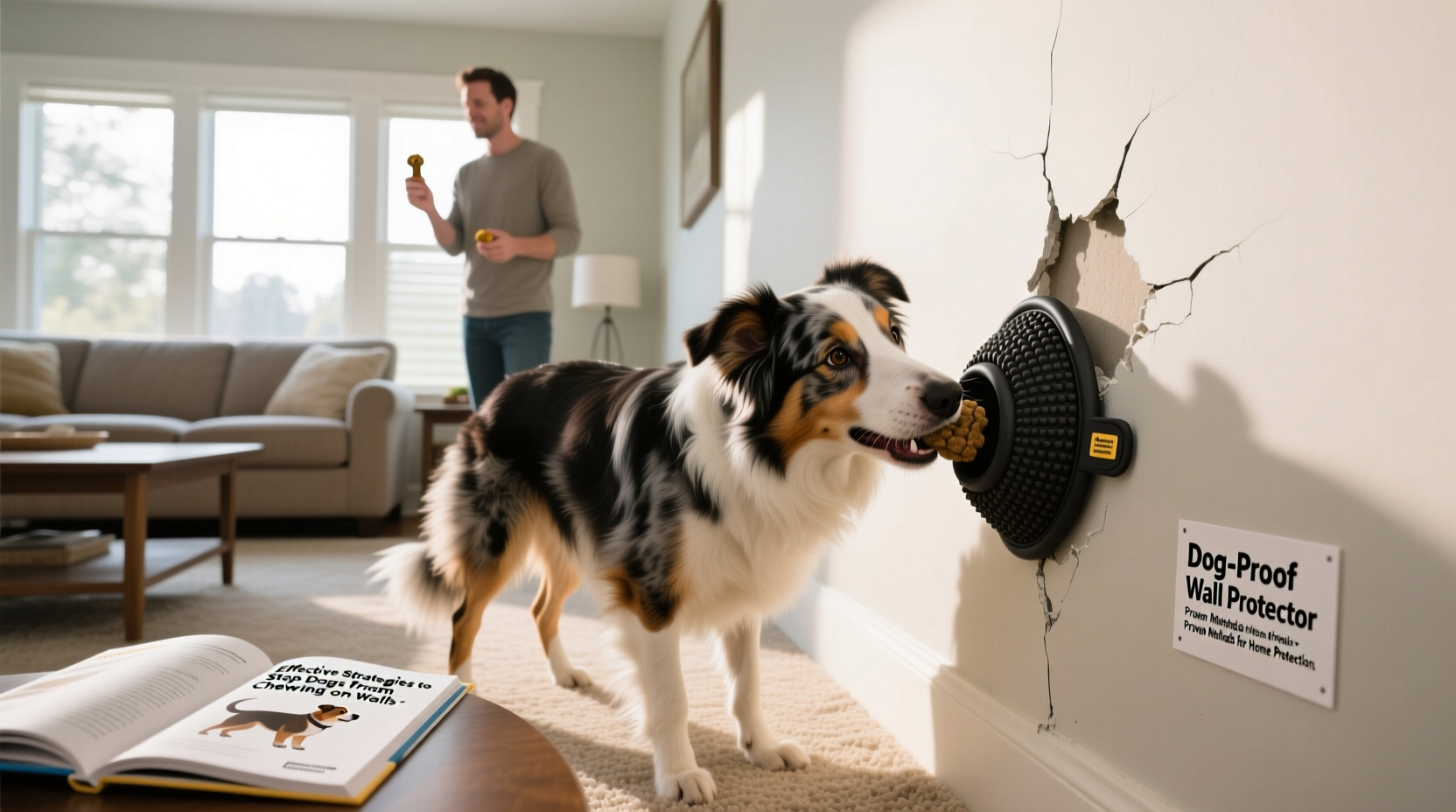
Dogs don’t chew walls out of malice. The behavior usually stems from underlying physical, emotional, or environmental factors. Identifying the root cause is the first step toward an effective solution.
- Boredom: Dogs left alone for long periods may resort to chewing as a form of entertainment.
- Anxiety: Separation anxiety, noise phobias, or changes in routine can trigger compulsive behaviors.
- Dental Discomfort: Puppies teething or adult dogs with dental pain may chew to relieve pressure.
- Nutritional Deficiencies: In rare cases, pica (eating non-food items) can indicate nutrient imbalances.
- Attention-Seeking: Some dogs learn that destructive behavior results in interaction—even if it’s negative.
- Exploratory Behavior: Young dogs use their mouths to investigate textures and scents.
“Wall-chewing is rarely just about the wall. It’s a symptom of unmet needs—whether mental stimulation, physical comfort, or emotional security.” — Dr. Lena Torres, Veterinary Behaviorist
Immediate Protection Measures for Your Home
While addressing the cause takes time, protecting your walls prevents further damage and keeps your dog safe. Use temporary barriers and deterrents to interrupt the habit loop.
| Protection Method | How It Works | Best For |
|---|---|---|
| Corner Guards / Wall Protectors | Rigid plastic or foam covers placed on chew-prone areas | Puppies, anxious chewers targeting baseboards |
| Bitter Spray Deterrents | Non-toxic sprays with unpleasant taste (e.g., bitter apple) | Dogs responsive to taste aversion |
| Double-Sided Tape | Sticky surface discourages licking and chewing | Smooth walls or trim edges |
| Temporary Fencing | Exercise pens or baby gates block access | Isolating high-risk zones like hallways |
Apply deterrents consistently and reapply after cleaning. Rotate methods if your dog adapts—some eventually ignore sprays they’ve tasted before.
Behavioral Training and Environmental Enrichment
Long-term success requires changing your dog’s environment and reinforcing alternative behaviors. A mentally stimulated dog has less energy for destruction.
- Provide Appropriate Chew Toys: Offer durable rubber toys (like Kongs) filled with frozen peanut butter or treats. Rotate toys weekly to maintain interest.
- Increase Daily Exercise: Aim for 30–60 minutes of active play or walks. A tired dog is less likely to engage in compulsive chewing.
- Introduce Puzzle Feeders: These slow down eating and challenge problem-solving skills, reducing idle time.
- Use Positive Reinforcement: Reward your dog immediately when they choose a toy over the wall. Clicker training can accelerate learning.
- Create a Safe Zone: Designate a chew-proof area with a cozy bed, toys, and calming music for when you’re away.
Mini Case Study: Max, the Rescue Terrier
Max, a 2-year-old Jack Russell mix, began chewing the living room baseboard after his owner returned to office work. The behavior worsened over weekends, peaking during thunderstorms. A vet ruled out dental issues, and a behaviorist identified separation anxiety compounded by noise sensitivity.
The solution combined several strategies: installing wall guards, using a Thundershirt during storms, leaving a food-stuffed Kong every morning, and gradually increasing alone time with a camera to monitor progress. Within six weeks, the chewing stopped entirely. Max now retreats to his crate with a chew toy when anxious—a learned coping mechanism.
Step-by-Step Guide to Eliminate Wall Chewing
Follow this structured timeline to address wall chewing systematically:
- Week 1: Assess & Protect
- Identify chew locations and timing.
- Install physical barriers and apply bitter spray.
- Remove access to damaged areas when unsupervised.
- Week 2–3: Redirect & Train
- Introduce new chew toys and reward use.
- Practice “leave it” commands near chew zones.
- Begin short departures to test anxiety levels.
- Week 4–6: Reinforce & Expand
- Gradually reduce deterrents as behavior improves.
- Incorporate puzzle games and longer walks.
- Monitor for relapse during stressors (e.g., guests, weather).
- Ongoing: Maintain & Prevent
- Continue mental enrichment daily.
- Schedule annual vet checks to rule out medical causes.
- Revisit training if life changes occur (move, new pet, etc.).
Common Mistakes to Avoid
Even well-meaning owners can unintentionally reinforce bad habits. Steer clear of these pitfalls:
- Punishing after the fact: Dogs don’t connect delayed scolding with past actions. It creates fear, not understanding.
- Using toxic deterrents: Never apply hot sauce, ammonia, or chemicals that could harm your pet.
- Ignoring the environment: Leaving a bored dog alone with no outlets sets them up to fail.
- Overlooking veterinary issues: Dental pain or gastrointestinal disorders may drive chewing.
Frequently Asked Questions
Can wall chewing be a sign of a serious health issue?
Yes. Persistent chewing, especially if accompanied by vomiting, lethargy, or appetite changes, may indicate gastrointestinal distress, parasites, or neurological conditions. Consult your veterinarian to rule out medical causes, particularly if the behavior is sudden or obsessive.
Are certain dog breeds more prone to chewing walls?
High-energy breeds like Border Collies, Australian Shepherds, and terriers are more susceptible due to their need for stimulation. However, any dog can develop the habit under stress or boredom. Early training and enrichment are critical for these breeds.
How long does it take to stop a dog from chewing walls?
With consistent intervention, most dogs show improvement within 4–6 weeks. Complete elimination depends on the cause—behavioral issues may resolve faster than anxiety-related chewing, which can take months of conditioning.
Final Steps: Building a Chew-Free Home
Stopping wall chewing isn’t just about discipline—it’s about empathy. Your dog isn’t trying to ruin your home; they’re responding to unmet needs. By combining physical protection, behavioral training, and environmental enrichment, you create a space where both your pet and your walls stay intact.
Start today: inspect your home for vulnerable spots, stock up on engaging toys, and commit to a structured plan. Small, consistent actions lead to lasting change. With patience and persistence, you’ll transform a destructive habit into an opportunity for deeper bonding and better care.




 浙公网安备
33010002000092号
浙公网安备
33010002000092号 浙B2-20120091-4
Comments
No comments yet. Why don't you start the discussion?