
Itching—medically known as pruritus—is a common sensation that can range from mildly annoying to severely disruptive. Whether caused by dry skin, insect bites, allergies, or underlying health conditions, persistent itching affects sleep, concentration, and overall well-being. While scratching may offer temporary satisfaction, it often worsens the problem by damaging the skin barrier and increasing inflammation. The good news is that many effective, science-backed strategies exist to stop itching quickly and prevent future flare-ups.
Understanding the Causes of Itching
Before addressing how to relieve itching, it’s essential to understand its root causes. Itching can stem from external irritants or internal imbalances. Common triggers include:
- Dry skin (especially in winter)
- Insect bites or stings
- Allergic reactions (to food, medication, or environmental allergens)
- Skin conditions like eczema, psoriasis, or hives
- Heat rash or excessive sweating
- Nerve-related issues such as shingles or diabetic neuropathy
- Liver or kidney disease (in rare cases)
Identifying the cause helps determine whether home remedies are sufficient or if medical attention is needed. For example, localized itching after a mosquito bite typically resolves with simple care, while widespread, unexplained itching warrants professional evaluation.
Immediate Relief Techniques
When itching strikes, quick action can prevent escalation. These methods provide fast, accessible relief without prescription medications:
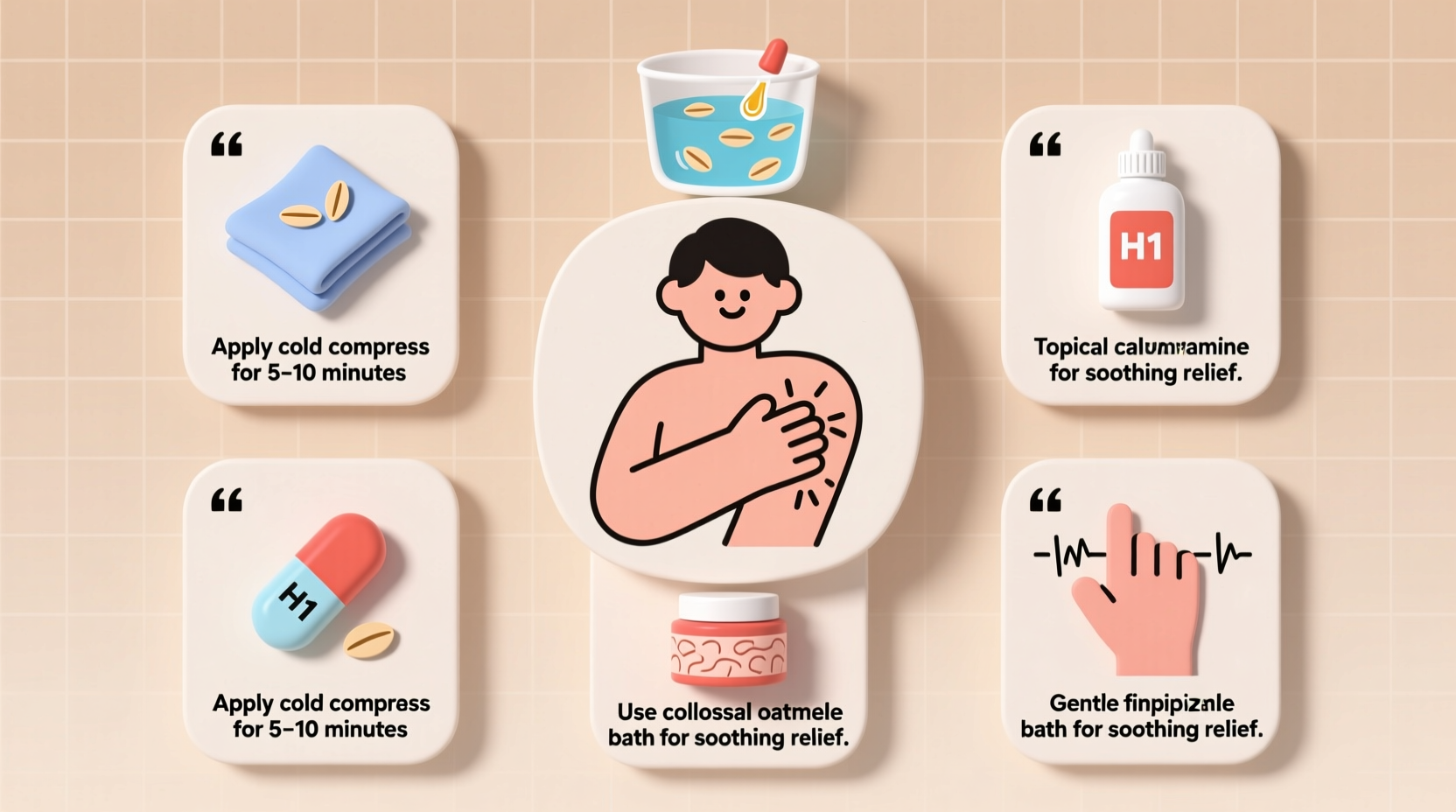
- Cold compress: Apply a clean cloth soaked in cold water or use an ice pack wrapped in fabric to the affected area for 5–10 minutes. Cold reduces nerve activity and inflammation.
- Menthol or camphor creams: Over-the-counter topical products containing menthol create a cooling sensation that distracts nerves from itch signals.
- Oatmeal baths: Colloidal oatmeal has anti-inflammatory properties. Add one cup of finely ground oats to lukewarm bathwater and soak for 15 minutes.
- Trim nails and wear gloves at night: Prevent skin damage from unconscious scratching during sleep.
- Distraction techniques: Engage in activities that redirect focus—reading, walking, or deep breathing exercises can reduce the urge to scratch.
The Science Behind Cooling Relief
Cooling the skin works because temperature-sensitive nerve fibers compete with itch-signaling pathways. When cold receptors are activated, they inhibit the transmission of itch signals to the brain—a phenomenon known as \"counter-irritation.\"
“Cooling therapies are among the most underutilized yet effective tools for acute itch relief.” — Dr. Lena Patel, Dermatology Researcher, Johns Hopkins Medicine
Topical Treatments That Work
Not all creams and lotions are equally effective. Choosing the right product depends on the cause and severity of itching.
| Treatment Type | Best For | Frequency of Use | Caution |
|---|---|---|---|
| Hydrocortisone cream (1%) | Inflammation, rashes, bug bites | 1–2 times daily, max 7 days | Avoid face and broken skin |
| Calamine lotion | Poison ivy, chickenpox, minor irritation | As needed | Can be drying |
| Moisturizers with ceramides | Dry skin, eczema | 2–3 times daily | Choose fragrance-free formulas |
| Antihistamine creams (e.g., diphenhydramine) | Allergic reactions | Short-term only | Risk of skin sensitivity with prolonged use |
For chronic dryness, thick ointments like petroleum jelly outperform lotions because they seal in moisture more effectively. Apply immediately after bathing while skin is still damp to lock in hydration.
Step-by-Step Guide to Managing Chronic Itching
If itching recurs frequently, a structured approach can break the cycle. Follow this six-step plan:
- Identify and eliminate triggers: Review soaps, detergents, fabrics, pets, or foods that may contribute. Switch to hypoallergenic laundry detergent and wear loose cotton clothing.
- Establish a gentle skincare routine: Use fragrance-free cleansers and avoid hot showers, which strip natural oils.
- Moisturize consistently: Apply emollients twice daily, especially after washing hands or showering.
- Control indoor humidity: Use a humidifier in dry environments, particularly during winter months.
- Manage stress: Practice mindfulness, yoga, or progressive muscle relaxation—emotional stress can intensify itching.
- Consult a healthcare provider: If symptoms persist beyond two weeks or worsen, seek evaluation for underlying conditions like thyroid disorders or liver dysfunction.
Real-Life Example: Sarah’s Eczema Journey
Sarah, a 34-year-old teacher, struggled with itchy, red patches on her arms and legs every winter. She initially used scented body washes and hot showers for comfort but noticed worsening flare-ups. After consulting a dermatologist, she learned her routine was stripping her skin’s protective barrier.
She implemented changes: switching to a fragrance-free cleanser, installing a bedroom humidifier, applying ceramide-based moisturizer twice daily, and wearing soft cotton sleeves at night. Within three weeks, her itching decreased significantly. By spring, her skin had fully healed.
Her key insight? “I didn’t realize how much my habits were making things worse. Small, consistent changes made all the difference.”
Prevention Checklist
To minimize future episodes of itching, follow this actionable checklist:
- ✅ Use mild, unscented soap and shampoo
- ✅ Limit showers to 5–10 minutes with lukewarm water
- ✅ Moisturize within 3 minutes of bathing
- ✅ Wear breathable, non-irritating fabrics (e.g., cotton)
- ✅ Avoid known allergens and harsh chemicals
- ✅ Keep fingernails short to reduce skin trauma
- ✅ Stay hydrated—dry skin worsens with dehydration
- ✅ Monitor medications—some drugs list itching as a side effect
Frequently Asked Questions
Why does itching get worse at night?
At night, distractions decrease, making you more aware of sensations. Additionally, cortisol levels (which help suppress inflammation) drop in the evening, potentially increasing itch intensity. Bedding materials and nighttime sweating can also aggravate sensitive skin.
Are oral antihistamines effective for all types of itching?
Oral antihistamines like cetirizine or loratadine are most effective for allergy-related or histamine-driven itching (such as hives). They may offer limited benefit for dry skin or nerve-related itch. First-generation antihistamines like diphenhydramine can help due to their sedative effect, aiding sleep despite discomfort.
When should I see a doctor about itching?
Seek medical advice if itching is severe, lasts more than two weeks, spreads across the body, or is accompanied by other symptoms like weight loss, fever, or yellowing of the eyes. Persistent generalized itching could indicate systemic conditions such as kidney disease, iron deficiency, or certain cancers.
Final Thoughts and Action Plan
Itching doesn’t have to control your life. With the right combination of immediate relief tactics, consistent skincare, and preventive habits, most cases can be managed effectively at home. The key is responsiveness—acting early before scratching leads to infection or scarring—and awareness of personal triggers.
Start today: assess your current routine, replace harsh products with gentle alternatives, and incorporate one new habit from the prevention checklist. Track improvements over the next few weeks. If relief remains elusive, don’t hesitate to consult a dermatologist or allergist for targeted testing and treatment.




 浙公网安备
33010002000092号
浙公网安备
33010002000092号 浙B2-20120091-4
Comments
No comments yet. Why don't you start the discussion?