
Summer brings sunshine, ocean breezes, and long days spent at the beach—but it also comes with a surprisingly common hazard: slipping in wet sandals. Whether you're walking across slick rocks, stepping out of a pool, or navigating a damp dock, flimsy or poorly designed beach footwear can turn a relaxing outing into a dangerous misstep. Slips and falls are among the leading causes of minor injuries during outdoor recreation, especially in coastal environments where surfaces become unpredictable when wet.
The issue isn’t just discomfort—it’s safety. Many popular beach sandals lose traction the moment they get wet, compromising balance and increasing the risk of sprains, cuts, or even head injuries. Fortunately, with the right knowledge and preparation, slipping can be significantly reduced. This guide explores practical, science-backed strategies to help you stay steady on your feet while enjoying water-based activities.
Choose Footwear with Purpose-Built Traction
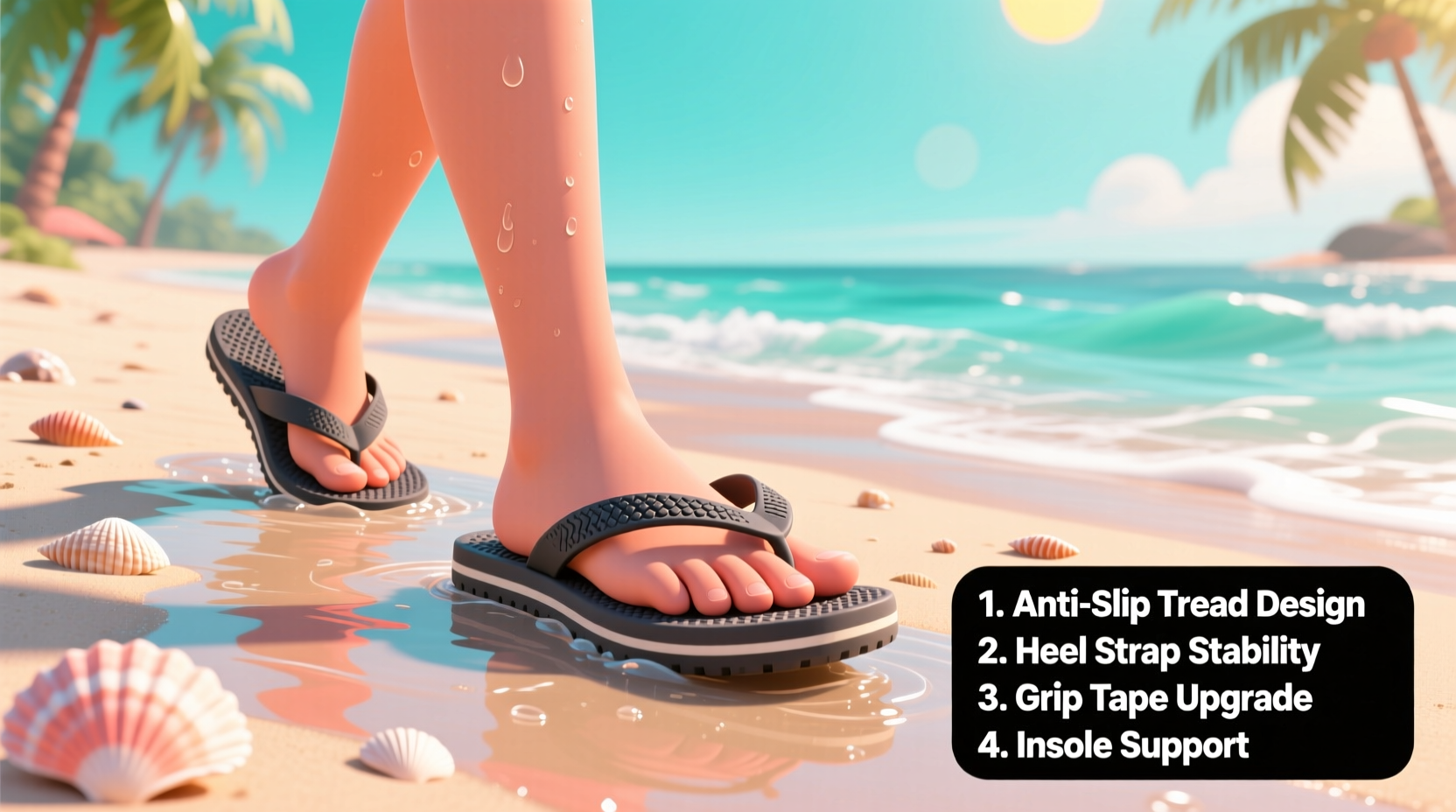
Not all sandals are created equal. The foundation of preventing slips starts with selecting footwear engineered for wet conditions. Look for models featuring deep lug patterns, multi-directional treads, and non-slip rubber compounds such as Vibram® or proprietary \"wet-grip\" soles. These materials maintain friction even when submerged or exposed to moisture.
Many brands now design sandals specifically for aquatic use—often labeled as \"water shoes\" or \"adventure sandals.\" Unlike flip-flops, which typically have flat, smooth soles, these styles wrap around the foot and incorporate aggressive tread zones under the ball and heel for better grip.
Anatomy of a Safe Sandal: Key Features to Look For
To make informed choices, understand the components that contribute to stability:
- Outsole Material: EVA or rubber blends designed for wet environments offer superior slip resistance compared to standard foam or plastic.
- Tread Depth & Pattern: Deep, siped grooves channel water away from the contact surface, reducing hydroplaning effect.
- Foot Retention: Straps that secure the heel and midfoot prevent shifting during movement, improving control.
- Arch Support: Proper support aligns your body weight over the foot, enhancing balance on uneven terrain.
“Footwear that fits securely and provides consistent ground feedback reduces fall risk by up to 70% in wet environments.” — Dr. Lena Torres, Podiatrist & Outdoor Safety Researcher
Do’s and Don’ts When Selecting Beach Footwear
| Do’s | Don’ts |
|---|---|
| ✔ Choose sandals with full heel straps | ✖ Wear flip-flops on rocky or slippery terrain |
| ✔ Opt for textured footbeds to prevent internal slippage | ✖ Use worn-out soles with smooth treads |
| ✔ Prioritize quick-drying materials like nylon or polyester webbing | ✖ Ignore signs of sole separation or delamination |
| ✔ Try sandals on wet tile floors before purchasing | ✖ Assume all “waterproof” labels mean good traction |
Real-World Example: A Close Call on the Coast
Jamie, a regular hiker from Oregon, recounted a near-accident during a coastal exploration trip. While traversing tidal pools after rainfall, she was wearing her favorite flip-flops—lightweight and convenient, but ill-suited for the algae-covered basalt rocks. One misstep on a slick ledge caused her to slide sideways, catching herself just before falling into a wave-washed crevice.
“I thought I had good balance,” Jamie said. “But the second my foot hit that wet rock, the sandal gave zero grip. It was terrifying.” Afterward, she invested in closed-toe water shoes with climbing-grade rubber soles. On her next visit, she moved confidently across the same stretch, noting how much more secure each step felt—even in heavy surf spray.
Step-by-Step Guide to Improving Sandal Safety
Follow this actionable plan to minimize slipping risks before your next beach excursion:
- Evaluate Your Current Sandals: Examine the tread depth and look for wear patterns. If the grooves are shallow or the sole is hardened and cracked, replace them.
- Test Grip Performance: Walk on a wet bathroom tile or shower floor in your sandals. Notice if your feet slide or grip firmly.
- Upgrade to Adventure-Focused Models: Consider brands like Teva, Keen, Chaco, or OluKai known for combining comfort with reliable wet-surface performance.
- Add Insoles for Better Fit: Insert contoured footbeds to reduce internal foot movement, which improves overall stability.
- Maintain Clean Soles: Rinse off sand, salt, and organic residue regularly. Buildup can clog treads and reduce effectiveness.
- Practice Mindful Walking: Take shorter steps, keep knees slightly bent, and avoid sudden directional changes on wet surfaces.
When to Replace Your Sandals
No sandal lasts forever. Even high-quality pairs degrade with prolonged exposure to sun, saltwater, and abrasive surfaces. Watch for these warning signs:
- Flattened or smoothed-out tread patterns
- Creaking or cracking noises when flexing the sole
- Straps that no longer hold tension or show fraying
- Pain or fatigue in feet after short walks—indicative of lost support
Experts recommend replacing performance-oriented sandals every 12 to 18 months with regular use, or sooner if used frequently in rugged conditions.
Frequently Asked Questions
Can I improve the grip of my existing sandals?
Yes, though options are limited. Some people use sandpaper to roughen worn soles temporarily, but this is not a long-term fix. Adhesive anti-slip pads (similar to those used on stairs) can be applied to high-contact areas like the ball and heel. However, the most effective solution remains upgrading to purpose-built footwear.
Are flip-flops ever safe near water?
In controlled environments like pool decks with non-slip coatings, basic flip-flops may suffice. However, they lack lateral stability and heel retention, making them risky on natural or uneven surfaces. For anything beyond casual lounging, opt for sport sandals with secure straps.
What makes some rubber soles better on wet surfaces?
High-performance rubbers contain specialized polymers that increase surface adhesion in wet conditions. These materials remain flexible and create micro-suction effects against smooth substrates like stone, concrete, or boat decks. They’re often rated using standards like ASTM F2913 for wet dynamic coefficient of friction.
Final Thoughts: Stay Safe, Stay Active
Slipping in wet beach sandals isn't an inevitable part of summer—it's a preventable risk. By choosing footwear designed for real-world conditions, maintaining your gear, and staying aware of environmental hazards, you can enjoy coastal adventures with greater confidence and less fear of injury. The ocean, tide pools, and seaside trails are meant to be explored, not feared.
Take a moment to assess your current footwear. Are your soles still providing protection, or have they become a liability? Investing in proper sandals isn’t about luxury—it’s about mobility, independence, and peace of mind. Make the change today, and step forward into safer, more enjoyable summers ahead.




 浙公网安备
33010002000092号
浙公网安备
33010002000092号 浙B2-20120091-4
Comments
No comments yet. Why don't you start the discussion?