
Cats scratch—it's an instinct as natural as breathing. They do it to shed the outer layers of their claws, mark territory, stretch muscles, and relieve stress. But when that instinct turns your favorite sofa into a shredded mess, frustration sets in quickly. Before you consider rehoming the furniture—or worse, the feline—consider this: you don’t need special sprays or costly deterrents. With a few clever tweaks and everyday household items, you can redirect your cat’s scratching habits humanely and effectively.
The key isn’t punishment; it’s redirection. Cats aren’t misbehaving—they’re doing what comes naturally. Your job is to make the sofa less appealing and provide better alternatives that meet their needs. The following strategies use items most households already have, making them accessible, immediate, and surprisingly effective.
Understanding Why Cats Scratch Furniture
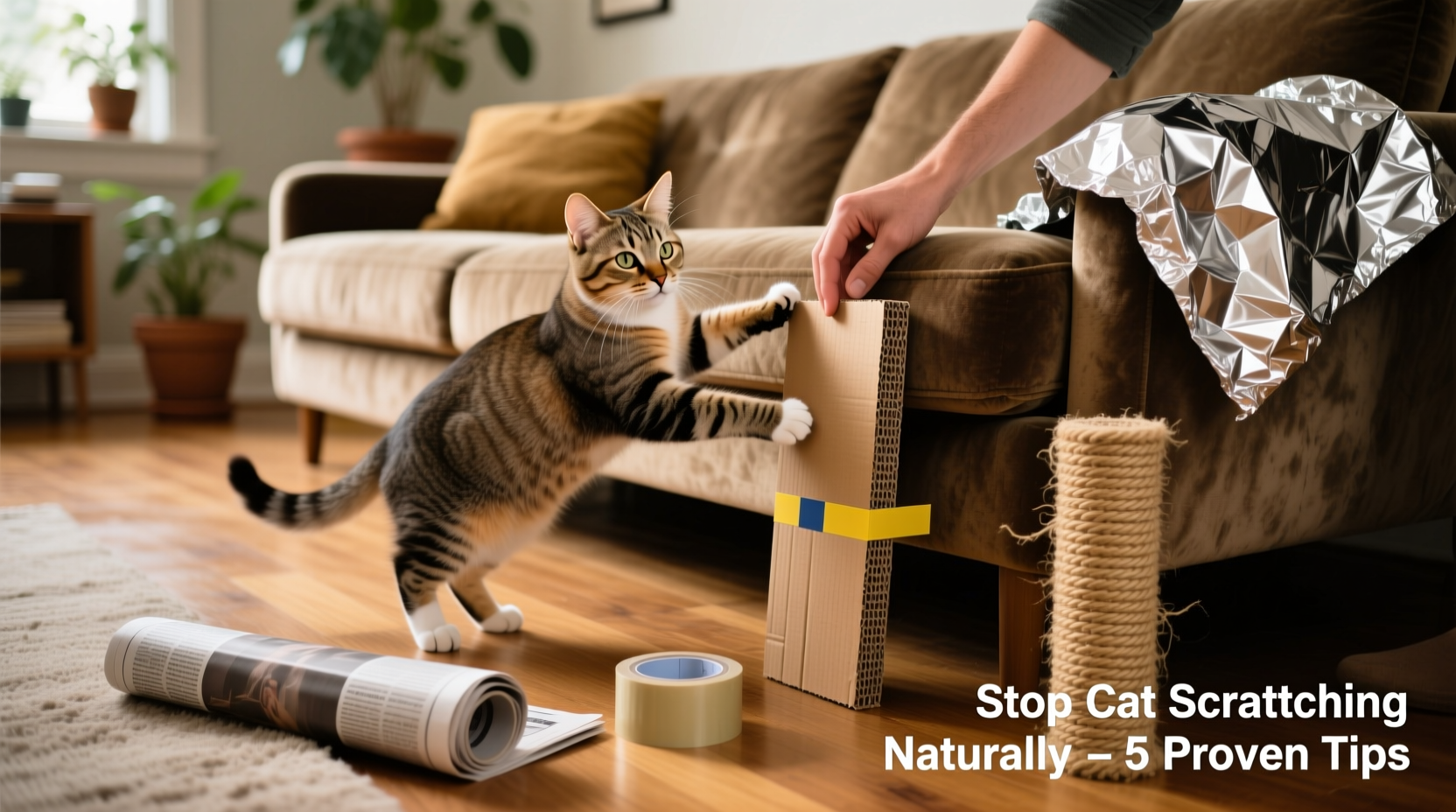
To solve a problem, you must first understand its roots. Scratching isn’t random destruction. It serves several biological and behavioral purposes:
- Claw Maintenance: Scratching removes dead outer layers of the claws, keeping them sharp and healthy.
- Scent Marking: Cats have scent glands in their paws. Each scratch deposits pheromones, marking the area as “theirs.”
- Stretching and Exercise: A good scratch stretches the back, shoulders, and legs—a full-body workout in one motion.
- Stress Relief: Repetitive scratching can be calming, especially in unfamiliar or tense environments.
When your cat targets the sofa, it’s often because the fabric offers ideal resistance (like tightly woven upholstery) and is located in a high-traffic area where they want to leave their mark. Simply covering the spot won’t work long-term unless you address these underlying motivations.
“Scratching is not a behavior flaw—it’s a fundamental feline need. The goal should be management, not elimination.” — Dr. Lena Patel, Feline Behavior Specialist
Redirect with DIY Scratching Posts Using Household Items
One of the most effective ways to protect your sofa is to offer a more attractive alternative. You don’t need to buy an expensive cat tree. Use what you already have at home to create enticing scratching zones.
Cardboard Tube Tower
Save those sturdy paper towel and toilet paper rolls. Stack them vertically inside a tall oatmeal container or coffee can, then secure with non-toxic glue or tape. Wrap the outside with sisal rope (if available) or leave as-is—many cats love the texture of compressed cardboard. Place near the sofa to intercept pre-scratch rituals.
Carpet Scratcher from Old Rugs
Repurpose a worn-out piece of carpet or a frayed bathmat. Cut it into a rectangle (about 18x12 inches), roll it tightly into a cylinder, and secure with duct tape. Lean it against the wall near the sofa at an angle. The familiar texture encourages use, and the tilt mimics the position cats prefer when stretching.
Horizontal Sisal Mat Substitute
If you don’t have sisal, use a tightly woven burlap sack (commonly used for coffee beans or produce). Lay it flat on the floor near the scratched area. Cats often prefer horizontal surfaces, especially older or arthritic ones who struggle to stretch upward.
Deterrents Made from Common Household Items
Making the sofa temporarily unpleasant—without harming your cat—is crucial. These deterrents are safe, easy to assemble, and highly effective when applied consistently.
Aluminum Foil Barrier
Cats dislike the sound and texture of crinkling foil. Drape a sheet over the arms and seat of the sofa for a few days. While it may look odd, the aversion usually breaks the habit within a week. Gradually reduce coverage as your cat shifts focus to acceptable surfaces.
Vinegar and Citrus Spray
Mix equal parts white vinegar and water in a spray bottle. Add a few drops of lemon or orange essential oil (ensure it’s pet-safe and well-diluted). Lightly mist the areas your cat scratches. The scent deters most cats without damaging fabric. Test on a hidden spot first to avoid discoloration.
Double-Sided Tape Hack
If you don’t have commercial sticky tape deterrents, use packing tape. Apply strips of transparent packing tape (sticky side up) along the corners of the sofa. The uncomfortable feeling on their paws discourages repeated visits. Replace daily as dust reduces stickiness.
Towel Shield Technique
Keep a few old towels on hand. When you’re not in the room to supervise, drape them over the sofa’s arms and corners. Cats prefer direct access to fabric. The barrier disrupts routine, and combined with other methods, helps reset habits.
| Deterrent | How to Use | Effectiveness Duration |
|---|---|---|
| Aluminum Foil | Cover targeted areas loosely | 3–7 days (habit interruption) |
| Vinegar-Citrus Spray | Mist lightly every 12 hours | As needed (reapply after cleaning) |
| Packing Tape | Apply sticky-side up on edges | Daily replacement recommended |
| Towel Cover | Drape during unsupervised hours | Ongoing prevention tool |
Step-by-Step Plan to Stop Sofa Scratching in 14 Days
Behavior change takes consistency. Follow this two-week timeline to transition your cat away from the sofa for good.
- Day 1–2: Assess & Prepare
Identify the exact spots being scratched. Gather supplies: foil, vinegar, tape, cardboard tubes, and an old rug. - Day 3–4: Deploy Deterrents
Cover scratched areas with foil or tape. Spray vinegar-citrus mix lightly. Place DIY scratchers nearby. - Day 5–7: Encourage Alternatives
Use treats or catnip to lure your cat to the new scratcher. Praise immediately after use. - Day 8–10: Reduce Deterrents Gradually
Remove foil but keep tape on one edge. Continue spraying intermittently. - Day 11–14: Monitor & Reinforce
Watch for relapses. If scratching resumes, restart deterrents for 2–3 days. Reward all correct behavior.
By day 14, most cats will have shifted their preference—if the alternatives are convenient and satisfying. Persistence is key; occasional lapses are normal during adjustment.
Real-Life Example: How Sarah Saved Her Sectional
Sarah adopted a rescue tabby named Milo who immediately claimed her beige microfiber sofa as his personal scratching post. Within a month, both armrests were frayed and peeling. She tried store-bought sprays with little success.
On the advice of her vet, she implemented a low-cost strategy: she rolled up an old wool blanket into a vertical column, secured it with twine, and placed it beside the sofa. She covered the damaged armrest with aluminum foil and sprayed a vinegar-lemon mix twice daily.
She also began playing with Milo near the new scratcher, tossing treats onto it. Within five days, he started using it. By day ten, the foil was gone, and Milo preferred the wool roll. Six months later, the sofa remains intact, and Milo has three homemade scratchers around the house.
Sarah’s success wasn’t due to a miracle product—it came from consistency, understanding feline instincts, and using what she already had.
Common Mistakes That Undermine Your Efforts
Even well-intentioned owners make errors that prolong the problem. Avoid these pitfalls:
- Punishing the Cat: Yelling or spraying water creates fear, not learning. The cat may stop only when you’re present.
- Placing Scratchers in Isolated Areas: Cats scratch where they spend time. A post in the basement won’t compete with the living room sofa.
- Using Strong Chemicals: Bleach or ammonia-based cleaners smell like urine to cats, encouraging further marking.
- Inconsistent Application: Removing deterrents too soon leads to relapse. Stick to the 14-day plan.
- Ignoring Claw Trimming: Overgrown claws increase damage. Trim every 2–3 weeks with basic nail clippers.
Checklist: Stop Sofa Scratching in 5 Actions
Follow this concise checklist to get started today:
- ✅ Identify the primary scratching zones on your sofa
- ✅ Create or place a DIY scratcher within 3 feet of the sofa
- ✅ Apply a temporary deterrent (foil, tape, or spray)
- ✅ Introduce catnip or treats to encourage use of the new scratcher
- ✅ Trim your cat’s claws to minimize damage during transition
Frequently Asked Questions
Will trimming my cat’s claws stop scratching altogether?
No. Trimming reduces damage but doesn’t eliminate the instinct. Cats will still scratch for marking and stretching, even with short claws. It’s a helpful complement to behavioral strategies, not a standalone solution.
Are citrus scents safe for cats?
In low concentrations, yes. Always dilute essential oils heavily (a few drops per cup of water) and avoid direct contact with fur or paws. Never use tea tree, eucalyptus, or pine oils, which are toxic. If your cat sneezes or avoids the room entirely, discontinue use.
What if my cat ignores the scratcher completely?
Try changing the location, texture, or orientation. Some cats prefer horizontal surfaces; others like vertical posts. Experiment with cardboard, carpet, or burlap. Rubbing the scratcher with a dried silvervine stick or placing it where your cat naps can increase appeal.
Conclusion: Protect Your Furniture, Respect Your Cat
Stopping your cat from scratching the sofa isn’t about dominance—it’s about coexistence. By using simple household items creatively, you can preserve your furniture while honoring your cat’s natural behaviors. The solutions outlined here cost little, require no specialized knowledge, and align with how cats actually think and act.
Start tonight: gather a few empty rolls, cut a strip of old carpet, or mix up a vinegar spray. Small actions, consistently applied, lead to lasting change. Your cat doesn’t want to upset you—they just want to feel secure and healthy. Meet them halfway, and both of you will enjoy a more peaceful home.




 浙公网安备
33010002000092号
浙公网安备
33010002000092号 浙B2-20120091-4
Comments
No comments yet. Why don't you start the discussion?