
Puppies explore the world with their mouths. This natural instinct helps them learn about textures, boundaries, and social cues. However, when playful nipping turns into painful bites during interaction, it can become a concern for pet owners. The good news is that puppy biting is both common and manageable. With consistent, positive reinforcement techniques and a clear understanding of canine behavior, you can guide your puppy toward gentle play. The key isn’t to suppress their energy but to redirect it appropriately.
Biting during play doesn’t mean your puppy is aggressive. In fact, most puppies grow out of excessive mouthing by six to eight months if guided correctly. But early intervention is crucial. Without proper training, what starts as harmless play can evolve into problematic behavior. The goal is not just to stop the biting, but to teach your puppy how to interact safely and respectfully with people and other animals.
Understanding Why Puppies Bite
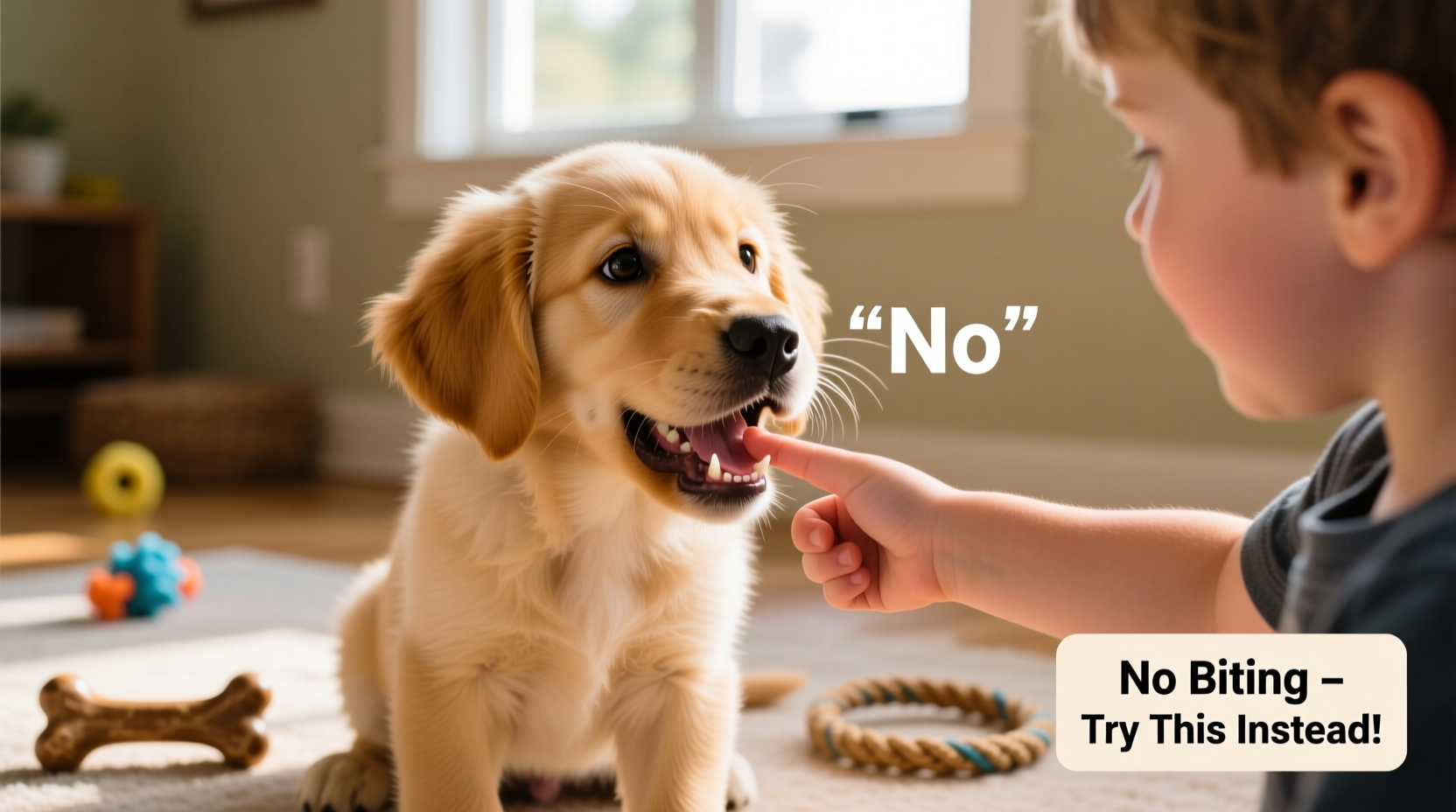
Puppy biting stems from several developmental and behavioral factors. Recognizing these causes is the first step in addressing the behavior effectively.
- Exploration: Just as human babies use their hands, puppies use their mouths to investigate new objects, surfaces, and people.
- Teething: Between 3 and 6 months, puppies lose their baby teeth and grow adult ones. Chewing relieves gum discomfort.
- Play Behavior: In litter settings, puppies bite and wrestle with siblings to develop social skills. They don’t yet understand that human skin is more sensitive than fur.
- Overstimulation: High-energy play can lead to excitement-based nipping, especially if the puppy doesn’t know how to self-regulate.
- Attention-Seeking: If biting gets a reaction—even negative—it can reinforce the behavior.
Understanding these motivations allows you to respond with empathy rather than frustration. Punishment often worsens the issue by creating fear or confusion. Instead, focus on teaching alternatives through consistency and patience.
Proven Strategies to Reduce Play Biting
Stopping puppy biting isn’t about dominance—it’s about communication. The following methods are rooted in modern dog training principles and emphasize clarity, consistency, and positive reinforcement.
1. Redirect to Appropriate Chew Toys
When your puppy bites you, immediately offer a chew toy. This teaches them what is acceptable to bite. Keep durable rubber toys or rope chews nearby during play sessions.
The moment they release your hand or clothing, praise them and continue playing with the toy. Over time, this builds an association: biting people ends play, while biting toys keeps it going.
2. Use Time-Outs for Persistent Biting
If redirection fails, implement a brief time-out. Stand up, turn away, and leave the room for 20–30 seconds. This mimics how littermates end play when bitten too hard.
Consistency is vital. Every bite must result in the same consequence. After the pause, return calmly and resume only if the puppy is gentle. Avoid reprimanding—just disengage.
3. Encourage Gentle Hands with Positive Reinforcement
Reward calm interactions. When your puppy licks or nudges gently instead of biting, mark the behavior with a verbal cue like “Yes!” and give a treat.
You can also practice “touch” commands using your hand as a target. This reinforces soft contact and gives the puppy a clear alternative to biting.
4. Manage Arousal Levels
High excitement increases biting risk. Watch for signs like rapid movements, stiff posture, or intense staring. If your puppy becomes overstimulated, pause play and encourage calming activities—like chewing a frozen Kong or lying on a mat.
Schedule shorter, structured play sessions rather than long, chaotic ones. This prevents fatigue-induced irritability, which can trigger biting.
5. Teach Bite Inhibition Early
Bite inhibition is the ability to control the force of a bite. Puppies learn this from their mother and siblings. You can reinforce it by yelping softly when bitten too hard, then withdrawing attention.
After a few seconds, re-engage. If the puppy is gentler, reward the behavior. This simulates natural feedback they would receive in a litter.
“Puppies who learn bite inhibition by five months are far less likely to develop aggression issues later.” — Dr. Ian Dunbar, Veterinarian and Animal Behaviorist
Step-by-Step Training Timeline (Weeks 1–6)
Effective puppy training requires structure. Follow this six-week plan to gradually reduce biting incidents:
- Week 1: Focus on observation and redirection. Keep chew toys accessible. React to every bite with a toy swap or brief pause.
- Week 2: Introduce the “yelp and freeze” method. Yelp when bitten, then stand still for 10 seconds. Resume only if the puppy is calm.
- Week 3: Begin short time-outs (20 seconds). Leave the room consistently after hard bites. Re-enter only when the puppy sits or lies down quietly.
- Week 4: Add verbal cues like “Gentle” when the puppy licks or noses softly. Reward immediately with treats or affection.
- Week 5: Practice controlled greetings. Have visitors ignore the puppy until all four paws are on the floor and no mouthing occurs.
- Week 6: Test progress in varied environments. Visit a quiet park or friend’s house to see how well the puppy generalizes the training.
Progress may vary by breed and temperament. Some puppies catch on quickly; others need more repetition. Track improvements weekly—fewer bites, faster recovery from excitement, longer toy engagement.
Do’s and Don’ts of Puppy Bite Training
| Do’s | Don’ts |
|---|---|
| Redirect biting to appropriate toys immediately | Never punish or shout—this increases fear-based biting |
| Use calm, consistent consequences like time-outs | Avoid roughhousing that encourages mouthiness |
| Reinforce gentle behavior with treats and praise | Don’t let children “play fight” with the puppy |
| Supervise all interactions with kids and guests | Ignore persistent biting—consistency is critical |
| Practice short, frequent training sessions | Yank your hand away quickly—it triggers chase instincts |
Real-Life Example: Turning Around a Nippy Labrador
Sarah adopted a 12-week-old Labrador Retriever named Milo. Within days, she noticed he was constantly mouthing her hands, clothes, and even her ankles during play. Despite loving his energy, the bites were becoming painful.
She started by removing herself from play whenever Milo bit. At first, he’d follow and continue nipping. But after repeating the time-out process 15 times in one afternoon, he began to hesitate before biting.
Sarah introduced a blue rubber Kong filled with peanut butter (xylitol-free) as a go-to distraction. She also taught him a “sit” command before petting. Within three weeks, Milo’s biting dropped by 80%. By week six, he greeted guests calmly and chose his toy over hands 90% of the time.
The turning point came when Sarah stopped viewing the biting as defiance and instead saw it as unmet needs—teething relief and social guidance. Her shift in mindset led to more patient, effective training.
Essential Checklist for Puppy Owners
Use this checklist to stay on track with bite prevention:
- ✅ Keep durable chew toys available at all times
- ✅ Respond to every bite with redirection or time-out
- ✅ Avoid rough games like tug-of-war until biting is under control
- ✅ Reward gentle behavior with treats, praise, or play
- ✅ Supervise all interactions with children
- ✅ Limit play sessions to 10–15 minutes to prevent overexcitement
- ✅ Enroll in a positive-reinforcement puppy class by 16 weeks
- ✅ Monitor body language for signs of overstimulation
- ✅ Be consistent across all family members—everyone uses the same rules
- ✅ Consult a certified trainer if biting persists past 6 months
Frequently Asked Questions
Is it normal for my puppy to bite during play?
Yes, it’s completely normal. Puppies use their mouths to explore and play. The goal isn’t to eliminate mouthing entirely but to teach bite inhibition and redirect it to appropriate items.
How long does it take to stop a puppy from biting?
Most puppies show significant improvement within 4–6 weeks of consistent training. Full resolution typically occurs by 5–7 months, depending on breed, socialization, and training frequency.
Should I be worried if my puppy bites aggressively?
If biting is accompanied by growling, stiff posture, or refusal to release, consult a veterinarian or certified behaviorist. While rare in young puppies, true aggression requires professional assessment. Most cases, however, are excitement- or fear-based and improve with proper training.
Final Thoughts: Building a Calm, Confident Companion
Stopping puppy biting isn’t about suppressing natural behavior—it’s about guiding it. Your puppy isn’t trying to dominate you; they’re learning how to interact in a world full of unfamiliar sensations. Every time you redirect a bite to a toy, pause play after a nip, or reward gentle touches, you’re shaping their understanding of appropriate interaction.
The habits formed in these early months lay the foundation for lifelong behavior. A puppy who learns to play gently grows into a dog who respects boundaries, enjoys calm companionship, and integrates smoothly into family life.




 浙公网安备
33010002000092号
浙公网安备
33010002000092号 浙B2-20120091-4
Comments
No comments yet. Why don't you start the discussion?