
Baking soda is more than just a pantry staple—it’s a powerful cleaning agent that can tackle stubborn stains on clothing without harsh chemicals. Found in nearly every kitchen, this inexpensive white powder has natural deodorizing and mild abrasive properties that make it ideal for breaking down organic residues, oils, and discoloration. Whether you're dealing with sweat marks, food spills, or underarm yellowing, baking soda offers a safe, eco-conscious alternative to commercial stain removers. With proper technique and timing, it can restore fabrics to their original condition while preserving fabric integrity.
Why Baking Soda Works on Fabric Stains
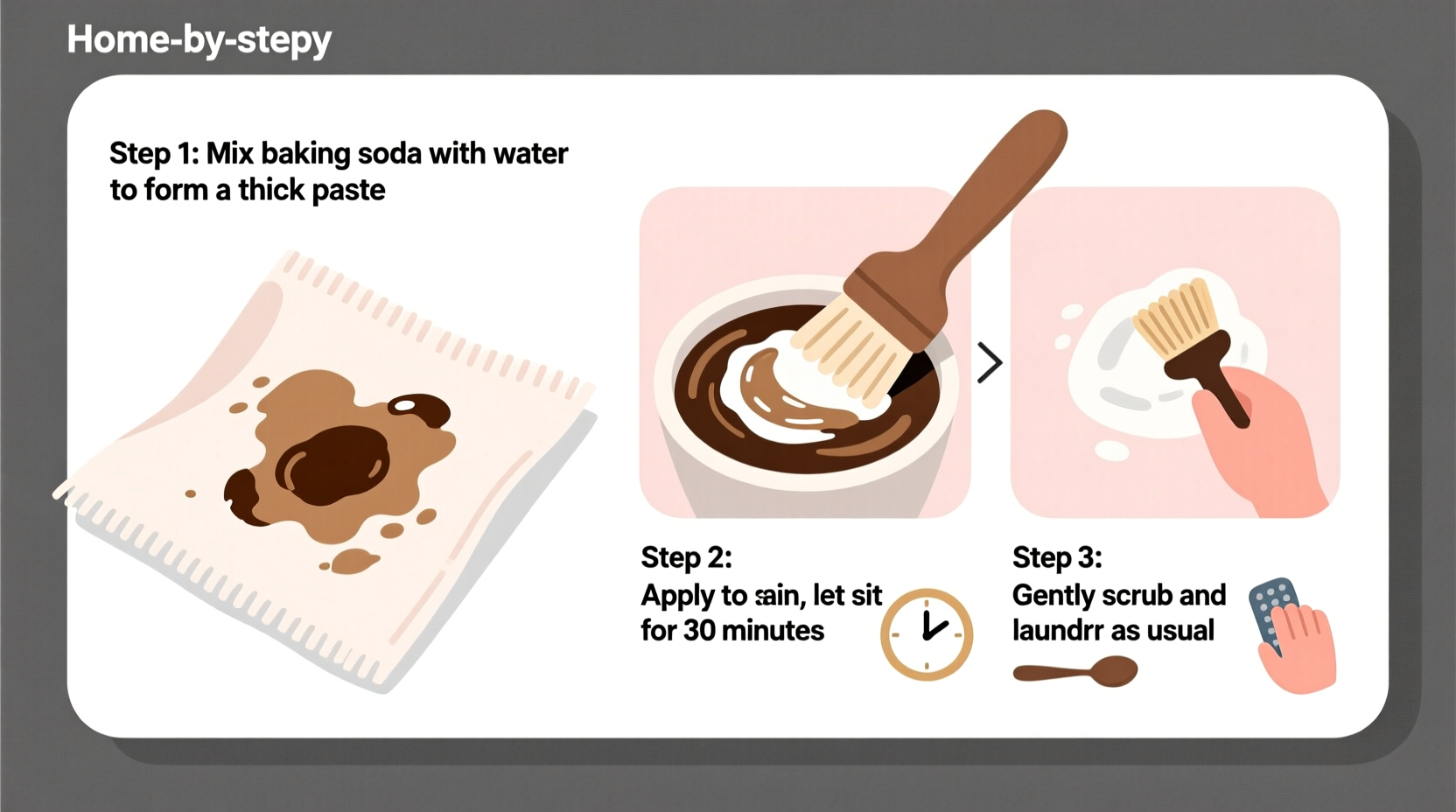
Sodium bicarbonate, commonly known as baking soda, functions through multiple mechanisms when applied to stained textiles. Its alkaline pH helps neutralize acidic stains like tomato sauce or citrus juice, while its granular texture gently lifts grime from fibers during scrubbing. Additionally, baking soda absorbs moisture and odors, making it particularly effective against sweat and mildew stains.
Unlike chlorine-based bleaches or synthetic detergents, baking soda doesn’t degrade fabric over time when used correctly. It's compatible with cotton, linen, polyester, and most blended materials, though delicate silks and wools require caution due to their sensitivity to abrasion.
“Baking soda is one of the few household items that combines lifting power, odor control, and fabric safety—all without environmental harm.” — Dr. Lena Patel, Textile Chemist and Sustainable Cleaning Researcher
Step-by-Step Guide: Removing Common Stains with Baking Soda
Different stains respond best to tailored applications. Below is a detailed timeline for treating five common types of clothing stains using baking soda.
- Act quickly: The sooner you treat a stain, the better your chances of complete removal. Blot excess liquid or scrape off solids before applying any treatment.
- Pretreat the area: Sprinkle a generous amount of baking soda directly onto the stain. For oily or greasy spots, let it sit for 10–15 minutes to absorb residue.
- Create a paste (optional): Mix three parts baking soda with one part water until a thick consistency forms. Apply this paste to set-in stains such as sweat, armpit yellowing, or dried food.
- Gently agitate: Use an old toothbrush or soft cloth to work the paste into the fabric in circular motions. Avoid vigorous scrubbing on delicate weaves.
- Let it dwell: Allow the paste to remain on the fabric for at least 30 minutes; for tough stains like wine or coffee, leave overnight.
- Rinse thoroughly: Flush the treated area under cold running water to remove all traces of baking soda.
- Wash normally: Launder the garment according to care label instructions, preferably in warm water unless fabric type prohibits it.
- Air dry: Do not place the item in a dryer until the stain is fully gone. Heat can set remaining residue permanently.
Treatment Table: Matching Stain Type to Method
| Stain Type | Recommended Method | Additional Tips |
|---|---|---|
| Sweat / Deodorant | Paste application + 1-hour dwell time | Add ½ cup vinegar to rinse cycle to further brighten |
| Grease / Oil | Dry sprinkle + absorbent dwell (15 min) before washing | Follow with dish soap pre-treatment if needed |
| Wine / Coffee | Thick paste + overnight treatment | Blot first; never rub to avoid spreading |
| Mud | Dry brush off crust, then apply paste | Treat only after mud has dried completely |
| Underarm Yellowing | Paste with hydrogen peroxide (1:1 ratio) | Spot-test peroxide first; avoid on dark colors |
Real Example: Reviving a Child’s Grass-Stained Shirt
A parent in Portland noticed green grass stains on her son’s white baseball jersey after a weekend game. Instead of reaching for bleach, she sprinkled baking soda over the dampened stains, added a few drops of water to form a paste, and gently brushed the area with a soft nail brush. After letting it sit for 45 minutes, she rinsed and washed the shirt in warm water with regular detergent. Upon air drying, the stains were completely gone—without fading the team logo or weakening the fabric.
This case illustrates how mechanical action combined with baking soda’s lifting ability can outperform chemical-heavy alternatives, especially on active wear prone to repeated soiling.
Common Mistakes to Avoid
- Using hot water too soon: Heat sets protein-based stains like blood or sweat. Always use cold water initially.
- Skipping the blotting step: Rubbing a fresh spill pushes it deeper into fibers. Blot gently with a clean cloth first.
- Overloading with baking soda: Excess powder can clump and leave white residues. Use measured amounts and rinse thoroughly.
- Drying before confirming stain removal: Tumble drying can bake in leftover particles. Inspect the garment in natural light post-wash.
- Mixing with strong acids unpredictably: While vinegar enhances baking soda’s action, combining them prematurely creates fizz that reduces contact time. Apply separately: vinegar first, then baking soda.
Checklist: Baking Soda Stain Removal Protocol
Use this checklist each time you treat a stained garment:
- □ Identify the stain type (oil, protein, tannin, etc.)
- □ Blot or scrape excess material gently
- □ Test baking soda on hidden fabric area
- □ Apply dry baking soda or paste based on stain severity
- □ Dwell time: 30 minutes minimum, up to overnight
- □ Agitate lightly with soft brush if needed
- □ Rinse completely under cold water
- □ Wash in appropriate cycle and water temperature
- □ Air dry and inspect before re-treating or machine drying
Frequently Asked Questions
Can baking soda damage colored clothes?
Generally, no. Baking soda is non-chlorine and non-dyeing. However, always perform a spot test on vibrant or dark fabrics, especially those prone to fading. When mixed with hydrogen peroxide for whitening, extra caution is required on non-white garments.
Is baking soda enough for old, set-in stains?
For very old stains, baking soda alone may not suffice. Combine it with other natural agents—such as lemon juice (for whites), oxygen bleach, or diluted white vinegar—for enhanced breakdown. Multiple treatments might be necessary.
Can I use baking soda in my washing machine regularly?
Yes. Adding half a cup of baking soda to your wash load boosts detergent efficiency, softens water, and neutralizes odors. It’s safe for both HE and standard machines and helps maintain drum cleanliness over time.
Final Thoughts and Action Plan
Baking soda stands out as a versatile, accessible solution for everyday laundry challenges. From fresh spills to years-old discoloration, its ability to lift, absorb, and deodorize makes it indispensable in any home cleaning toolkit. Unlike many store-bought stain removers loaded with surfactants and fragrances, baking soda works cleanly and sustainably—leaving no toxic residue behind.
The key to success lies in understanding the nature of the stain and applying methodical, patient treatment. Rushing the process or skipping steps often leads to incomplete results. By integrating these proven techniques into your routine, you extend the life of your clothing, reduce reliance on chemicals, and contribute to a healthier household environment.




 浙公网安备
33010002000092号
浙公网安备
33010002000092号 浙B2-20120091-4
Comments
No comments yet. Why don't you start the discussion?