
Walking your dog should be a peaceful, bonding experience—not a battle of wills. Yet many owners struggle with pulling, lunging, distraction, or disobedience during walks. The right use of a dog training leash can transform these challenges into opportunities for growth, focus, and improved behavior. Far from being just a tool for restraint, a well-chosen and properly used training leash is a communication device that reinforces leadership, builds impulse control, and strengthens the bond between dog and handler.
The key lies not in force or punishment, but in consistency, timing, and technique. Whether you're dealing with a high-energy puppy or a strong-willed adult dog, mastering leash handling methods can lead to calmer, more attentive walks and better overall obedience.
Choosing the Right Training Leash
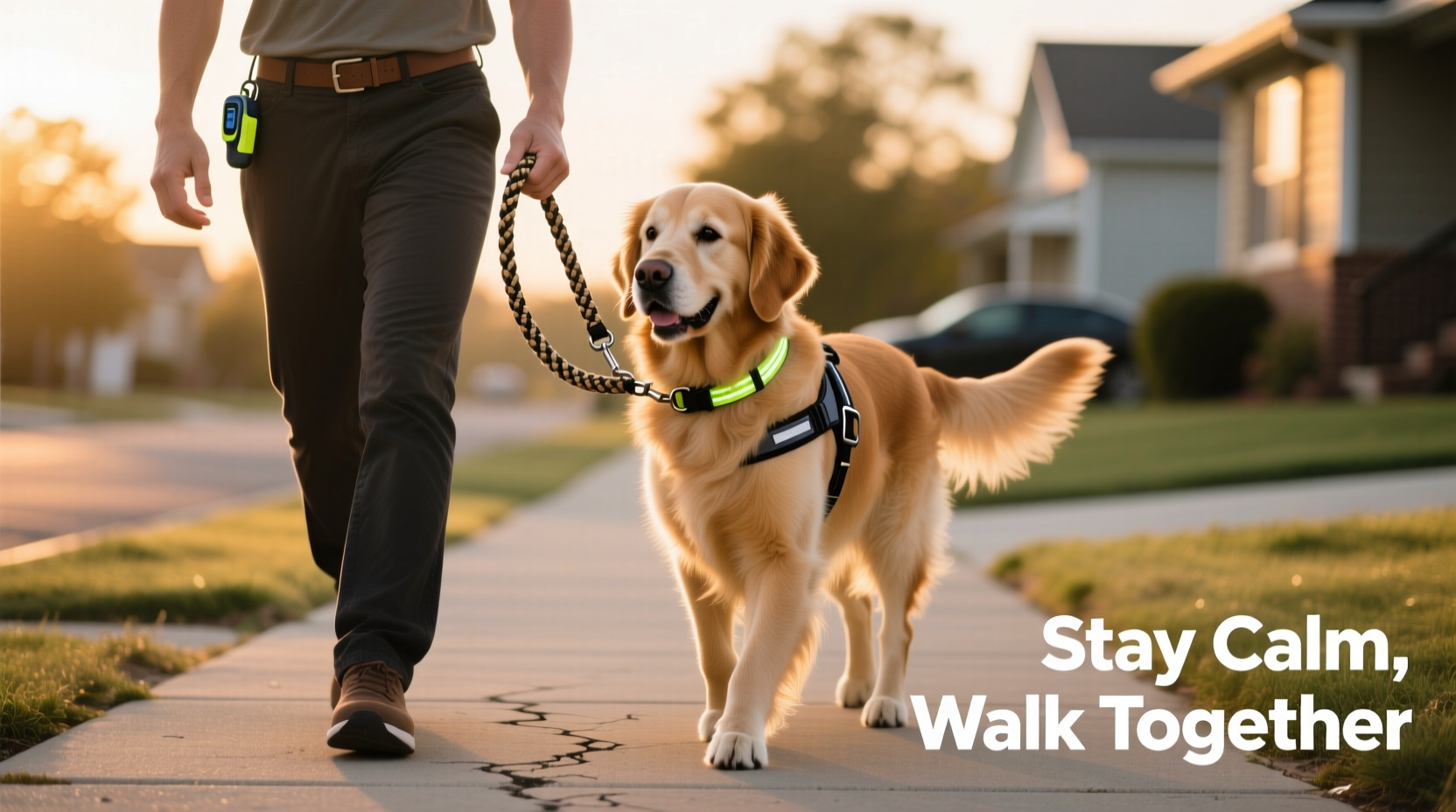
Not all leashes are created equal. The type of leash you use significantly impacts your ability to train effectively. Common options include standard nylon leashes, retractable leashes, slip leads, prong collars, harnesses, and specialized training leashes like the 6-foot flat leash or the 15-foot long line.
For structured training, a 4–6 foot non-retractable leash made of durable material offers optimal control and feedback. Retractable leashes, while popular, often encourage pulling and reduce your ability to correct unwanted behavior promptly.
| Leash Type | Best For | Drawbacks |
|---|---|---|
| Standard Nylon (4–6 ft) | Daily training, walks, recall practice | Limited range |
| Long Line (10–30 ft) | Off-leash training in safe areas | Risk of tangling; requires open space |
| Retractable | Casual strolls (not training) | Encourages pulling; inconsistent feedback |
| Slip Lead | Quick corrections (when used correctly) | Risk of injury if misused |
| Front-Clip Harness | Dogs that pull heavily | May reduce responsiveness to commands |
Building Focus with Loose-Leash Walking
Loose-leash walking is foundational to good behavior on walks. It means your dog walks beside you with a slack leash, responding to subtle cues rather than dragging you forward. This requires teaching your dog that tension equals stopping, and slack equals progress.
Start in a low-distraction environment. Every time the leash tightens, stop moving. Wait until the leash goes slack—even momentarily—then praise and continue. Over time, your dog learns that pulling doesn’t get them where they want to go.
“Dogs don’t pull because they’re stubborn—they pull because it works. Our job is to change the outcome.” — Sarah Hart, Certified Professional Dog Trainer
To reinforce this, pair verbal cues like “Let’s go” or “This way” with treats when your dog checks in with you. Use short bursts of movement followed by pauses to keep your dog engaged. Gradually increase distractions as your dog becomes more reliable.
Step-by-Step Guide to Teaching Heel Position
Heeling—walking attentively at your side—is a valuable skill for control and focus. Follow this timeline over 2–4 weeks for best results:
- Week 1: Foundation in Place
Practice near your front door or in your yard. Lure your dog into position beside your left leg using a treat. Say “Heel” and reward every few seconds for staying close. Move only a few steps at a time. - Week 2: Add Movement and Distractions
Walk short routes around the block. Reinforce heel position frequently. If your dog pulls ahead, stop and reset. Use a cue like “Wait” or “Back” to regain attention. - Week 3: Introduce Real-World Triggers
Practice near parks, sidewalks, or other dogs. Keep sessions short (5–10 minutes) and end on success. Increase duration gradually. - Week 4: Fade Treats, Strengthen Cues
Begin using intermittent rewards. Praise becomes the primary reinforcement. Test reliability by varying pace, direction, and environment.
Consistency is critical. Everyone in the household should use the same cues and expectations. Avoid switching between loose walking and heeling without clear signals—this confuses the dog.
Using the Long Line for Off-Leash Readiness
A 15- to 30-foot long line is an essential bridge between on-leash control and full off-leash freedom. It allows your dog room to explore while maintaining safety and accountability.
Use the long line in secure, open areas like fenced fields or quiet trails. Practice recall commands (“Come”), attention checks (“Look”), and directional cues (“Left,” “Right”). When your dog ignores a command, gently reel them in and try again—do not yank.
This method builds reliability without resorting to confinement. Over time, your dog learns that coming when called leads to rewards, while ignoring cues results in lost freedom.
Common Mistakes That Undermine Leash Training
Even well-intentioned owners can sabotage their efforts through subtle errors. Recognizing these pitfalls helps you stay on track:
- Inconsistent responses to pulling: Sometimes allowing it, sometimes correcting it—confuses the dog.
- Overusing treats: Creates dependency; phase them out as skills improve.
- Yanking the leash: Causes fear, pain, or resistance. Use redirection instead.
- Training in high-distraction areas too soon: Sets your dog up for failure.
- Ignoring body language: Missing signs of stress or overexcitement reduces effectiveness.
Remember, training is about shaping behavior through positive reinforcement and clear consequences—not dominance or force.
Mini Case Study: Transforming a Reactive Walker
Max, a 2-year-old Australian Shepherd, would lunge at cyclists and bark at passing dogs during walks. His owner, Jenna, felt embarrassed and exhausted. She switched from a retractable leash to a 6-foot BioThane leash and began using a front-clip harness for gentle steering.
She started training in her driveway, rewarding Max for noticing triggers at a distance without reacting. When he remained calm, she gave treats and moved forward. If he tensed up, she calmly turned and walked away. Over six weeks, she gradually decreased the distance to triggers.
By combining loose-leash walking with structured desensitization, Max now walks calmly past bikes and other dogs. Jenna reports that walks have become enjoyable again—and Max listens better at home, too.
Checklist: Effective Leash Training Essentials
- ✅ Use a 4–6 foot non-retractable leash for daily training
- ✅ Choose appropriate collar or harness (avoid choke chains unless under professional guidance)
- ✅ Practice in low-distraction areas first
- ✅ Reward attention and loose-leash behavior immediately
- ✅ Stop and reset when the leash tightens
- ✅ Incorporate frequent turns, pace changes, and halts to maintain engagement
- ✅ Use a long line before attempting off-leash walks
- ✅ Stay patient and consistent—progress may be slow but is lasting
Frequently Asked Questions
Can I train an older dog to walk nicely on a leash?
Absolutely. While puppies are easier to shape, adult dogs can learn new habits with patience and consistency. Older dogs may take longer due to established behaviors, but they often have better impulse control than young dogs.
Should I use treats every time during training?
In the beginning, yes—treats create strong associations. As your dog masters a skill, shift to a variable reward schedule (rewarding randomly). This makes the behavior more resistant to extinction and keeps your dog guessing—and engaged.
What if my dog still pulls despite training?
Reevaluate your environment and expectations. You may be progressing too quickly. Go back to a quieter area, shorten sessions, and ensure your rewards are sufficiently motivating. Consider consulting a certified trainer if progress stalls.
Mastery Begins with the Leash
The leash is more than a tether—it's a channel for communication, discipline, and connection. When used with intention, it teaches your dog self-control, focus, and cooperation. These lessons extend far beyond the walk, influencing how your dog behaves at home, around people, and in public spaces.
Every walk is a training opportunity. With the right tools, techniques, and mindset, you can turn even the most unruly walker into a calm, attentive companion. Start today: pick up the right leash, set clear expectations, and lead with confidence.




 浙公网安备
33010002000092号
浙公网安备
33010002000092号 浙B2-20120091-4
Comments
No comments yet. Why don't you start the discussion?