
White clothing offers timeless style and versatility, but maintaining its brightness over time can be a challenge. Many people unknowingly accelerate fabric wear, yellowing, or fading by using improper washing techniques. The good news is that with the right approach, you can keep your white garments looking crisp, clean, and fresh—without compromising their integrity. This guide reveals proven, practical methods to wash dirty white clothes effectively while protecting fibers and preserving color.
Choose the Right Detergent for Whites
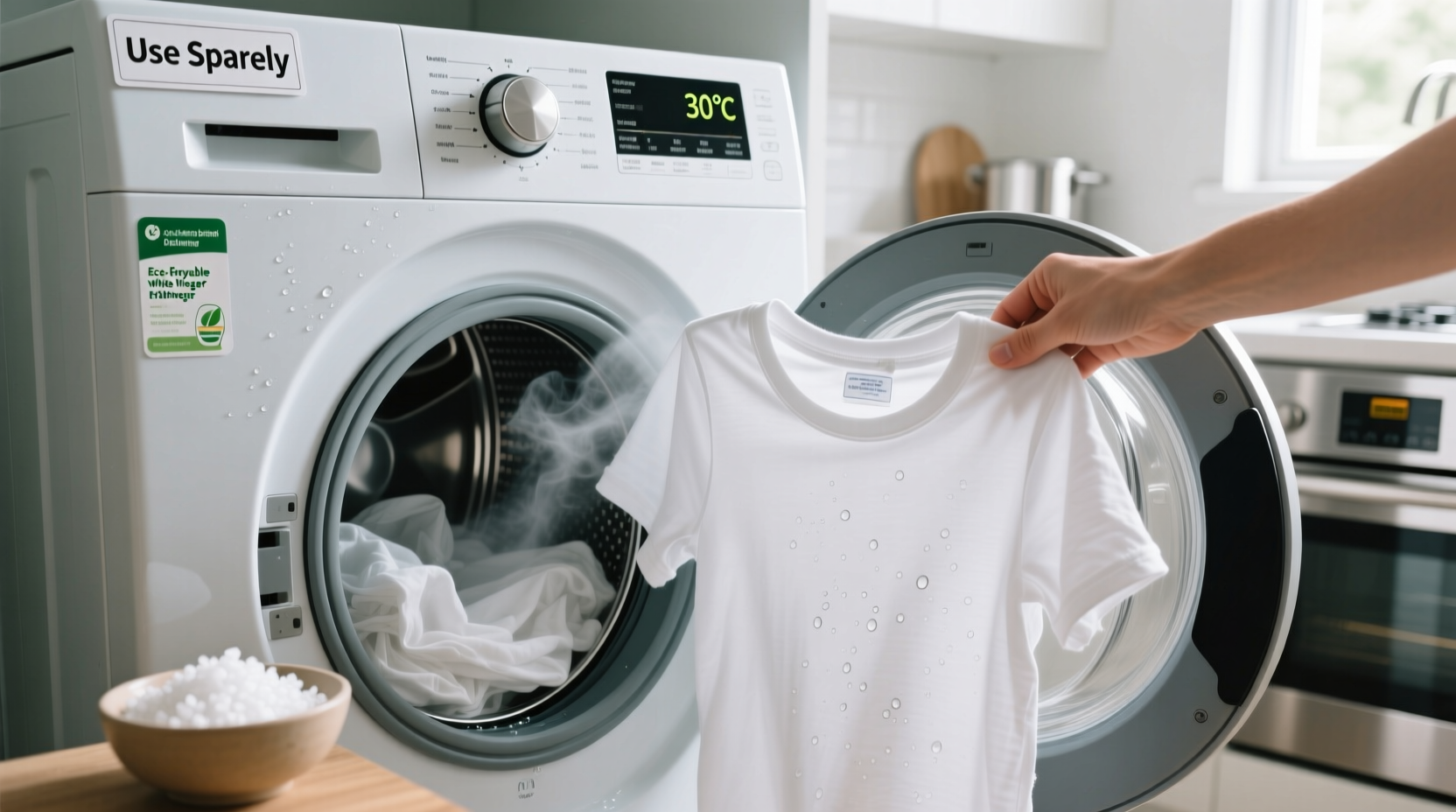
Not all detergents are created equal when it comes to treating white fabrics. Standard formulas may lift surface dirt but fail to combat underlying stains or prevent graying. For optimal results, use a detergent specifically formulated for whites. These often contain optical brighteners and enzymes that break down protein-based stains like sweat and food.
Look for labels indicating “for whites” or “brightening.” Avoid detergents with added dyes or fragrances if you have sensitive skin or delicate fabrics. Powder detergents tend to perform better on heavily soiled items due to higher concentrations of cleaning agents.
Sort and Prep Clothes Before Washing
Proper sorting is one of the most overlooked yet critical steps in preserving white garments. Mixing whites with colored items—even once—can lead to dye transfer that dulls brightness. Always separate whites from lights and darks. Also, check pockets, fasten zippers, and turn clothes inside out to minimize abrasion and pilling.
Treat visible stains before washing. A quick pre-soak or spot treatment with a paste of baking soda and water helps lift set-in stains like deodorant marks or underarm yellowing. For collars and cuffs, apply a small amount of liquid laundry detergent directly and gently scrub with a soft brush.
“Pre-treating stains not only improves cleaning efficiency but reduces the need for high heat or harsh chemicals later.” — Dr. Lena Patel, Textile Care Scientist
Optimize Water Temperature and Wash Cycle
Water temperature plays a major role in both cleaning performance and fabric longevity. Hot water (around 60°C or 140°F) is effective at killing bacteria and dissolving grease, making it ideal for cotton towels, bed linens, and heavily soiled workwear. However, frequent hot washing can weaken synthetic fibers and cause shrinkage.
For everyday white clothing made from blends or delicate materials, warm water (30–40°C / 85–105°F) strikes the best balance between cleanliness and care. Use cold water only if the garments are lightly soiled or contain elastic components like waistbands or sportswear.
| Fabric Type | Recommended Temp | Wash Cycle |
|---|---|---|
| Cotton (Towels, Sheets) | Hot (60°C) | Heavy Duty |
| Polyester Blends | Warm (40°C) | Regular |
| Silk or Delicate Synthetics | Cold (20–30°C) | Delicate/Gentle |
| Undergarments & Socks | Warm to Hot | Normal |
Step-by-Step Guide: How to Wash White Clothes Safely
Follow this systematic process to ensure maximum cleanliness with minimal wear:
- Inspect each garment for stains, loose threads, or damage.
- Pre-treat visible marks using a mixture of baking soda and water or a commercial stain remover.
- Sort strictly by color and fabric type; never mix whites with other colors.
- Add detergent and boosters: Use a quality white-specific detergent and consider adding ½ cup of oxygen bleach or white vinegar (not together).
- Select the appropriate cycle and temperature based on fabric content and soil level.
- Avoid overloading the machine—clothes need room to agitate freely for thorough cleaning.
- Remove promptly after washing to prevent mildew and wrinkling.
Avoid Common Mistakes That Damage White Fabrics
Even with the best intentions, certain habits can silently degrade white clothing. Recognizing these pitfalls helps extend garment life significantly.
- Using chlorine bleach too often: While effective, chlorine bleach weakens fibers and causes yellowing over time, especially on polyester. Reserve it for emergencies only.
- Drying whites in direct sunlight for long periods: UV rays can fade prints and degrade elastic, despite helping natural whitening. Dry indoors or in shaded areas when possible.
- Mixing new and old whites: Older garments may release lint or have micro-tears that snag newer pieces. Wash similar-age items together.
- Skipping the rinse cycle: Residual detergent leads to stiffness and discoloration. Ensure full rinsing, especially in hard water areas.
Real Example: Recovering Yellowed Kitchen Towels
Sarah, a home cook in Portland, noticed her favorite white kitchen towels had turned dingy after months of frequent use. Despite regular washing, they looked gray and felt rough. She began following a simple routine: soaking them overnight in warm water with ¾ cup of oxygen bleach, then washing on hot with no other clothes. After two cycles, the towels regained their original brightness and softness. By switching from chlorine bleach to oxygen-based solutions and avoiding fabric softener, she extended their usable life by over a year.
Enhance Results with Natural Boosters
You don’t need harsh chemicals to maintain bright whites. Several household ingredients enhance cleaning power naturally:
- White vinegar: Adds acidity to soften water and dissolve mineral deposits. Add ½ cup during the rinse cycle.
- Baking soda: Neutralizes odors and boosts detergent alkalinity. Mix ½ cup with your detergent at the start of the wash.
- Lemon juice + sun drying: The citric acid acts as a natural bleaching agent. Soak in lemon-water solution, then dry in indirect sunlight.
Note: Never combine vinegar and bleach—this creates toxic fumes. Similarly, avoid mixing vinegar with ammonia or strong alkalis.
FAQ
Can I use baking soda and vinegar in the same wash?
No. While both are safe individually, combining them neutralizes their cleaning effects (they react to form water and salt). Use one or the other per cycle—baking soda in the wash, vinegar in the rinse.
Why do my white clothes turn gray over time?
Gray discoloration usually results from inadequate rinsing, mixing with darker fabrics, or buildup of body oils and detergent residue. Regular deep cleaning and proper sorting prevent this.
Is it safe to wash white clothes with colored stitching?
Generally yes, as long as the garment is labeled colorfast. To be safe, test any colored trim by dampening a cotton swab and rubbing an inconspicuous area. If dye transfers, wash separately.
Checklist: Best Practices for Washing White Clothes
- ☑ Sort whites strictly—no color mixing
- ☑ Pre-treat stains before washing
- ☑ Use a detergent designed for whites
- ☑ Choose correct water temperature by fabric type
- ☑ Add oxygen bleach instead of chlorine when needed
- ☑ Avoid fabric softeners—they coat fibers and trap dirt
- ☑ Clean your washing machine monthly
- ☑ Remove clothes immediately after the cycle ends
Conclusion
Keeping white clothes clean, bright, and undamaged doesn’t require expensive products or complicated routines. It comes down to consistent, informed habits: choosing the right detergent, using proper temperatures, avoiding harmful additives, and maintaining your washing machine. With these techniques, you’ll not only preserve the appearance of your whites but also extend their lifespan, saving money and reducing waste.




 浙公网安备
33010002000092号
浙公网安备
33010002000092号 浙B2-20120091-4
Comments
No comments yet. Why don't you start the discussion?