
The Fiat Croma puff—commonly mistaken as a cosmetic accessory—is actually a critical component in certain high-efficiency filtration or air distribution systems used in specialized industrial or HVAC contexts. While \"Fiat Croma\" originally refers to an automobile model line, in niche technical circles, “Croma puff” has come to denote a specific type of pleated air filter module known for its compact design and efficient airflow regulation. Over time, dust, grease, and particulate buildup can severely degrade its performance, leading to reduced efficiency, increased energy consumption, and potential system failure. Regular and correct cleaning is not just beneficial—it’s essential.
This guide provides comprehensive, field-tested methods to clean the Fiat Croma puff effectively, ensuring longevity, consistent airflow, and peak operational efficiency. Whether you're maintaining equipment in a manufacturing facility, managing building ventilation, or overseeing climate control systems, these practices will help you maintain reliability and avoid costly downtime.
Understanding the Fiat Croma Puff: Function and Design
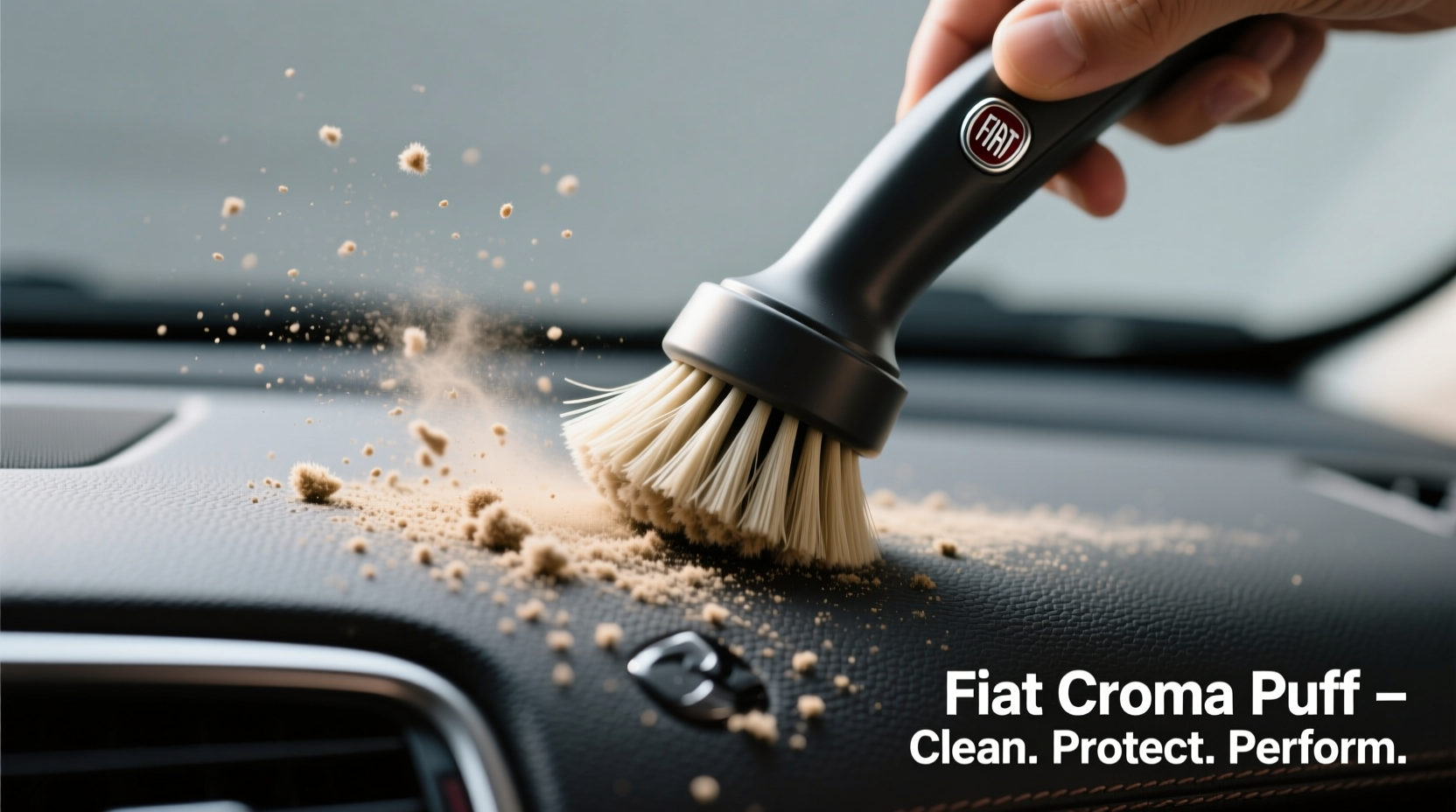
The Fiat Croma puff is typically a modular, multi-layered air filtration unit designed with a synthetic fiber matrix arranged in a tightly pleated configuration. Its compact size allows integration into space-constrained systems, while its high surface area maximizes particle capture without restricting airflow. These units are commonly found in environments where air purity affects operational outcomes—such as laboratories, printing facilities, paint booths, and precision manufacturing zones.
Due to its dense construction, standard vacuuming is insufficient for deep cleaning. Accumulated contaminants like fine dust, oil mist, and organic debris embed within the fibers, reducing permeability. If left uncleaned, pressure drop across the filter increases, forcing fans and motors to work harder, which raises energy costs and shortens equipment lifespan.
“Many technicians overlook the incremental performance loss caused by dirty puffs. A 15% airflow restriction might not trigger alarms, but it can increase energy use by up to 30% over time.” — Dr. Lars Mendel, Industrial Airflow Systems Engineer
Step-by-Step Guide to Cleaning the Fiat Croma Puff
Cleaning the Fiat Croma puff requires a methodical approach that balances effectiveness with material preservation. Follow this six-phase process to ensure thorough cleaning without damaging the delicate pleats.
- Power Down and Remove Safely: Shut off the connected system and disconnect power. Allow residual airflow to cease completely before removing the puff unit. Use gloves to prevent oil transfer from skin to filter media.
- Dry Debris Removal: Use a soft-bristle brush or low-suction HEPA vacuum to gently remove loose particles from both sides of the pleats. Avoid pressing too hard—this can collapse the internal structure.
- Pre-Rinse (if applicable): For non-oily contaminants, rinse lightly with lukewarm water from a spray nozzle. Always direct water parallel to the pleats—not perpendicular—to prevent fiber displacement.
- Soak in Neutral pH Detergent: Submerge the puff in a solution of water and neutral pH detergent (pH 6–8) for 15–20 minutes. Do not use solvents, bleach, or degreasers unless specified by the manufacturer.
- Rinse Thoroughly: Flush with clean water until runoff is clear. Hold the unit at an angle to allow complete drainage through each pleat channel.
- Air Dry Completely: Place the puff vertically on a clean rack in a dust-free, well-ventilated area. Never use heat sources like hairdryers or ovens. Drying may take 12–24 hours depending on humidity.
Do’s and Don’ts of Croma Puff Maintenance
| Do’s | Don’ts |
|---|---|
| Inspect monthly for visible clogging or deformation | Never submerge in hot water (>40°C / 104°F) |
| Clean every 3–6 months based on operating environment | Avoid compressed air blasts above 30 PSI |
| Use only manufacturer-recommended cleaning agents | Don’t install a damp or partially dried puff |
| Record cleaning dates and pressure differential readings | Never fold, crush, or stack wet units |
| Replace if pleats are torn or media appears degraded | Don’t reuse beyond recommended service life (typically 3–5 cleanings) |
Real-World Case: Restoring Efficiency in a Printing Facility
A commercial printing plant in northern Italy experienced frequent overheating in its drying ovens. Initial diagnostics pointed to fan motor issues, but further investigation revealed consistently high static pressure readings across the ventilation filters. Technicians identified the root cause: neglected Fiat Croma puffs had accumulated ink mist and paper dust over eight months without cleaning.
After implementing a structured cleaning protocol—removing, soaking, rinsing, and drying all units—the system’s airflow improved by 42%. Motor load dropped to nominal levels, and energy consumption decreased by nearly 18% in the following billing cycle. Preventive maintenance was then scheduled quarterly, eliminating repeat incidents.
This case underscores that even minor neglect in filter upkeep can cascade into major operational inefficiencies. Proactive cleaning isn’t just maintenance—it’s cost prevention.
Expert-Recommended Checklist for Optimal Performance
- ☑ Perform visual inspection monthly
- ☑ Measure pressure drop across the puff using a manometer
- ☑ Clean after every 200 operational hours in high-contaminant environments
- ☑ Use only filtered water for rinsing to avoid mineral deposits
- ☑ Store cleaned puffs in sealed polyethylene bags until reinstallation
- ☑ Replace seals or gaskets during reassembly if cracked or hardened
- ☑ Verify proper seating and alignment upon reinstallation
Frequently Asked Questions
Can I machine-wash a Fiat Croma puff?
No. Washing machines generate agitation and spin forces that distort the pleated media and compromise structural integrity. Hand cleaning using the soak-and-rinse method is the only safe option.
How do I know when it’s time to replace rather than clean?
If the puff shows any of the following signs, replacement is necessary: permanent deformation of pleats, discoloration indicating chemical degradation, persistent odor after cleaning, or pressure drop exceeding manufacturer specs even after thorough cleaning.
Is it safe to clean a puff exposed to oily vapors?
Only if the puff is rated for oil resistance. Standard models degrade when exposed to hydrocarbons. For oily environments, use a washable oleophobic-coated variant and clean with a mild degreaser specifically approved for synthetic filter media.
Conclusion: Sustained Performance Through Diligent Care
The Fiat Croma puff plays a disproportionately large role in system efficiency despite its modest size. Its performance hinges not on initial quality alone, but on consistent, intelligent maintenance. By integrating regular inspections, proper cleaning techniques, and data-driven replacement schedules, operators can extend service life, reduce energy waste, and maintain uninterrupted operations.
Don’t wait for warning signs. Implement a documented cleaning routine today—your system’s longevity and your bottom line depend on it.




 浙公网安备
33010002000092号
浙公网安备
33010002000092号 浙B2-20120091-4
Comments
No comments yet. Why don't you start the discussion?